Ampoule Equipment
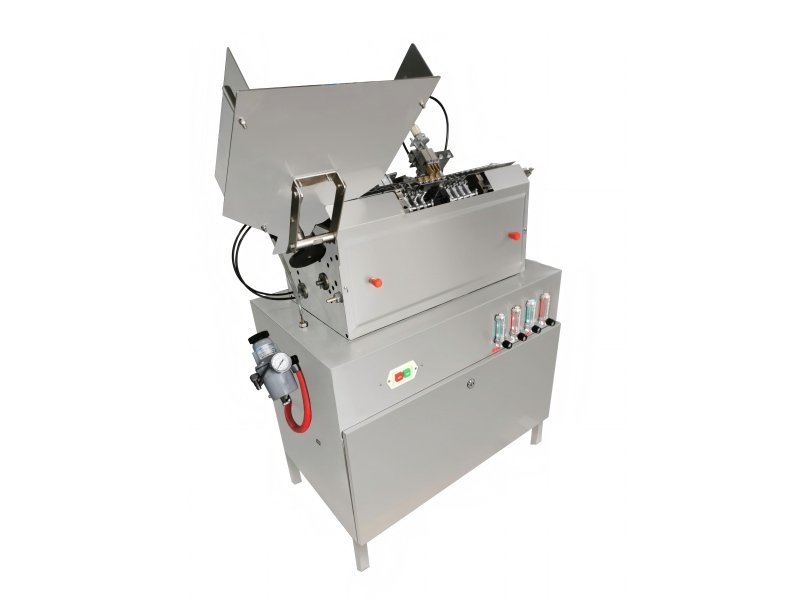
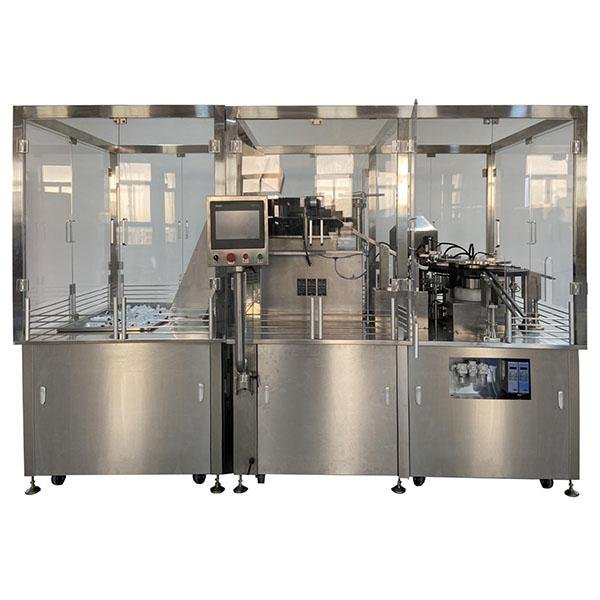
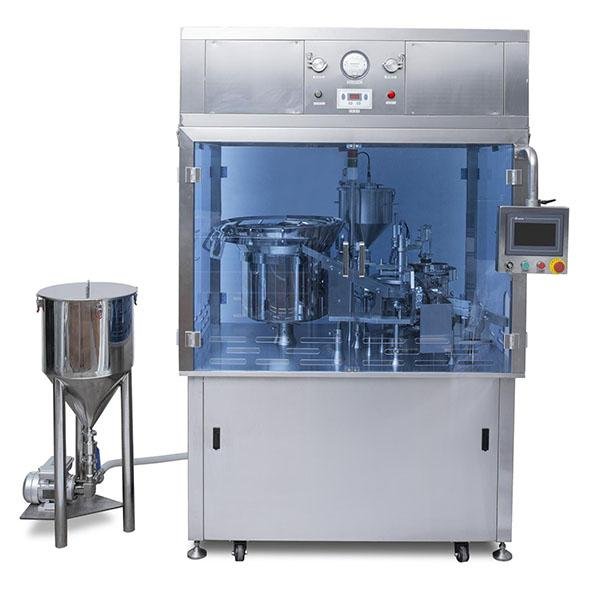
Our ampoule manufacturing equipment series provides precise and efficient integrated solutions for filling, sealing, and sterilization of injectable pharmaceuticals. We offer a complete process from cleaning, filling, string sealing to tunnel sterilization and drying, and online light inspection, and can provide customized configurations to meet your specific production needs, fully satisfying GMP standards and process requirements for ampoule production.
Product Display
Benefits
The equipment employs a two-position stepping conveyor system, precisely and intermittently transferring two ampoules at a time to each station, sequentially completing the entire process of separation, nitrogen filling, filling, preheating, and string sealing. The operation is stable and reliable.
Pre- and post-nitrogen filling stations are provided before and after filling, introducing inert gas (such as nitrogen) into the ampoules to effectively replace the air inside, significantly reducing the risk of drug oxidation and improving product stability and shelf life.
Quantitative filling and high-temperature string sealing are continuously completed on the same equipment. The glass bottle neck is directly string-sealed after being heated by a flame, forming a completely closed sterile barrier with excellent sealing performance. This is the most classic and reliable sealing method for ampoules.
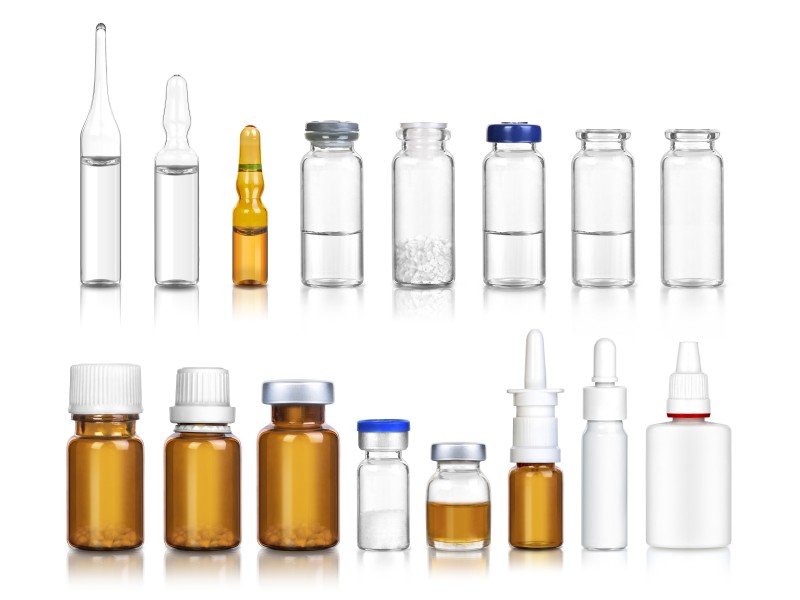
The equipment is widely applicable to ampoules of 1-2ml and similar specifications, meeting the flexibility requirements of small-scale trial production as well as batch continuous production, adapting to all stages of tasks in the pharmaceutical industry from R&D to production.
The equipment employs a two-position stepping conveyor system, precisely and intermittently transferring two ampoules at a time to each station, sequentially completing the entire process of separation, nitrogen filling, filling, preheating, and string sealing. The operation is stable and reliable.
Pre- and post-nitrogen filling stations are provided before and after filling, introducing inert gas (such as nitrogen) into the ampoules to effectively replace the air inside, significantly reducing the risk of drug oxidation and improving product stability and shelf life.
Quantitative filling and high-temperature string sealing are continuously completed on the same equipment. The glass bottle neck is directly string-sealed after being heated by a flame, forming a completely closed sterile barrier with excellent sealing performance. This is the most classic and reliable sealing method for ampoules.
The equipment is widely applicable to ampoules of 1-2ml and similar specifications, meeting the flexibility requirements of small-scale trial production as well as batch continuous production, adapting to all stages of tasks in the pharmaceutical industry from R&D to production.
Application
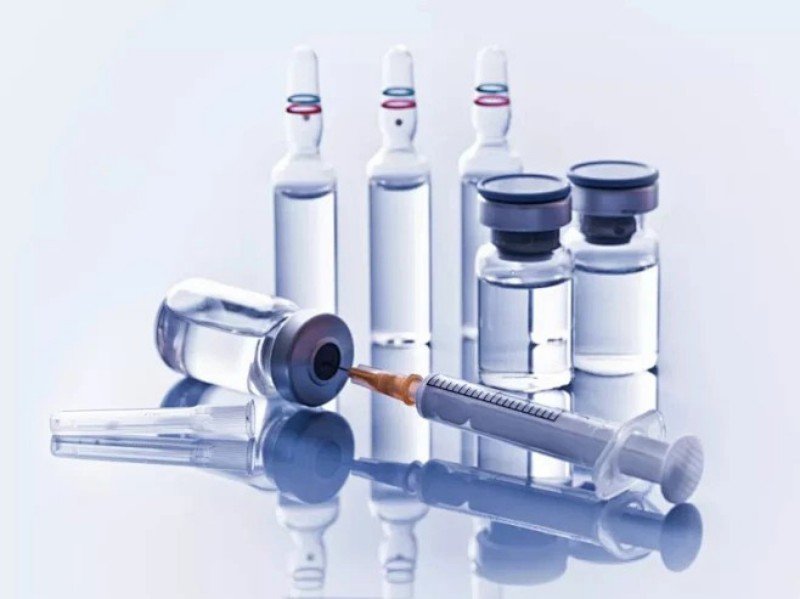
Sterile liquid preparations intended for direct injection into the bloodstream or muscle.
High-value, oxygen-sensitive, and unstable biologically active pharmaceutical ingredients.
Categorized critical drugs used in hospital emergency care or surgery.
Topical injection solutions with very small doses (typically 1-2 ml) requiring extremely high precision.
FAQ
What is the filling accuracy of your equipment? How do you ensure consistent filling volume in every ampoule?
Our ampoule filling equipment uses high-precision ceramic or glass injection pumps for metering, typically controlling filling accuracy to a high standard. The equipment ensures consistent filling performance with a stable stepper transmission system and a precise pump control system, guaranteeing highly accurate and stable filling volume in every ampoule coming off the production line.
What are the advantages of "string sealing" compared to other sealing methods? Is the seal reliable?
String sealing is a classic and highest-level sealing method for ampoules. It involves heating and melting the glass mouth with a flame, then drawing and breaking it into a seamless seal made entirely of glass. This sealing method offers excellent airtightness, eliminates the risk of introducing foreign substances, and ensures the medication remains sterile throughout its shelf life, making it one of the most reliable sealing options for injectable drugs.
What is the production speed of the equipment? Can it simultaneously meet our needs for small-batch trial production and large-scale production?
The equipment is designed to balance flexibility and efficiency. For example, the speed range of a typical model is usually between 1800 and 3600 bottles per hour, and can be adjusted to adapt to different production capacities. Its stepping operation mode ensures stable operation, suitable for both small-scale trial production and multi-product conversion in the R&D stage, and can also meet the needs of commercial mass production through continuous operation.
Is changing to different sizes of ampoules (e.g., from 1ml to 2ml) complicated?
Changing sizes mainly involves changing the inlet track, adjusting the filling pump metering unit, and fine-tuning the flame gun position. These adjustments are mostly completed through mechanical positioning and handwheels, without the need to replace core components. Experienced operators can usually complete the size change in a short time (e.g., within one hour), and the equipment has good production flexibility.
Does the equipment comply with GMP regulations for pharmaceutical production? Which design features reflect this?
The equipment is designed and manufactured entirely in accordance with GMP regulations. The main features are: the main body is made of 304 stainless steel, which is easy to clean and disinfect, and has no dead corners; the filling and sealing area can be equipped with a Class A laminar flow hood to ensure a sterile environment in the core operating area; and its integrated filling and sealing design also minimizes the risk of contamination caused by human intervention.
Unlock Your Medicine Production Potential. Speak with an Innoval Pharma Expert to Tailor Your Solution.
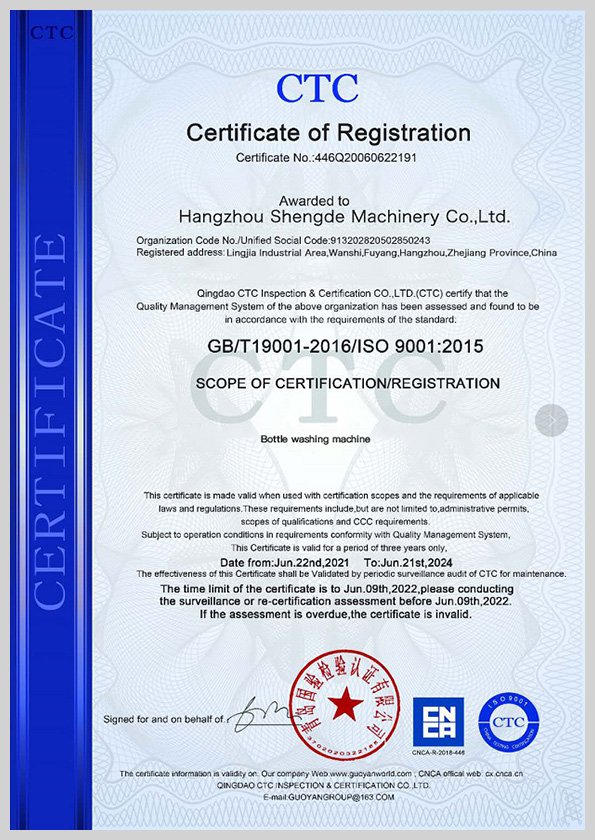
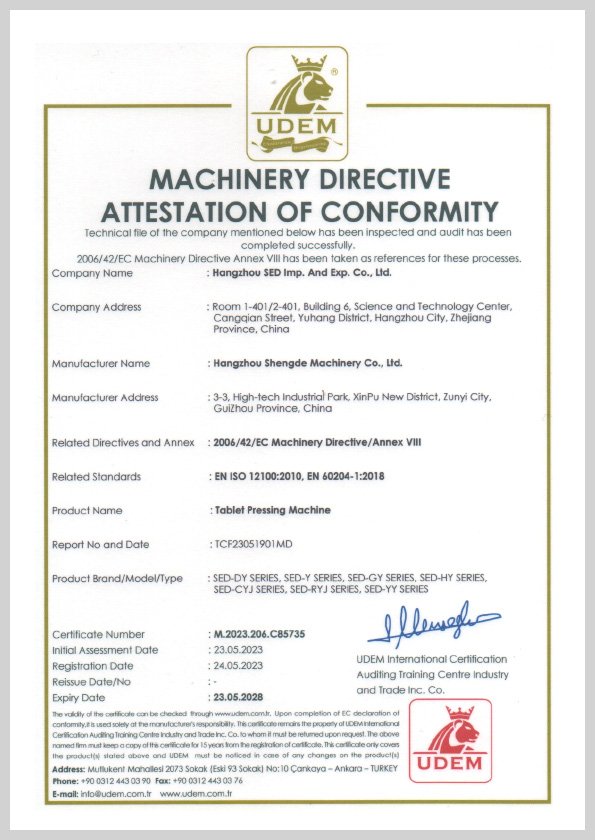
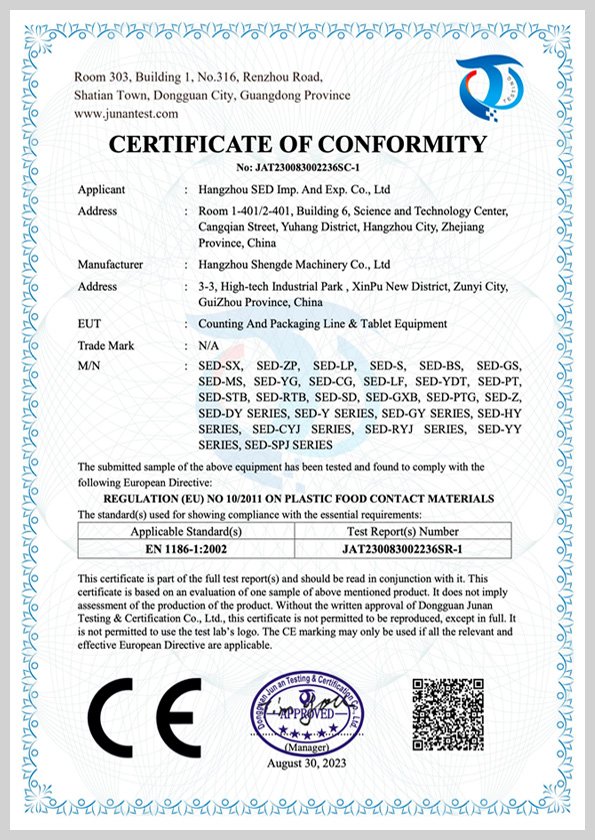
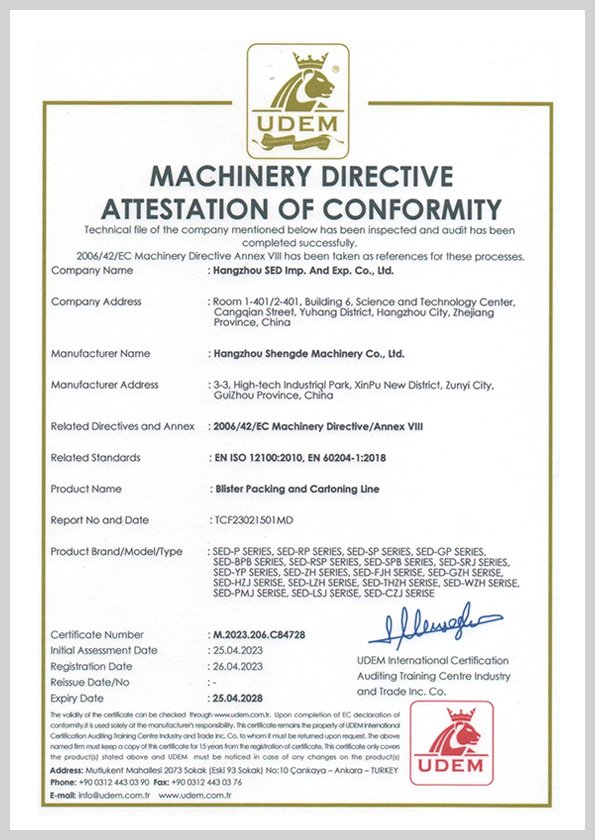
Certificates