Autoclave

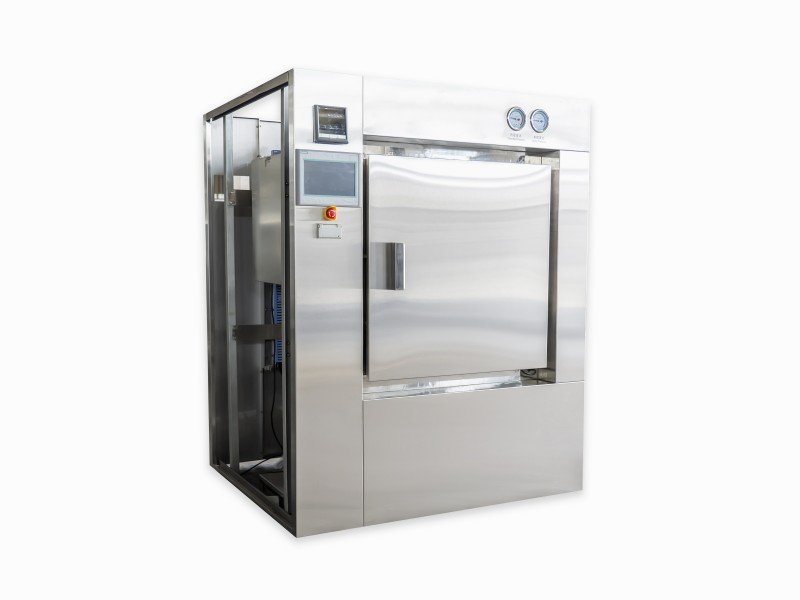
Our industrial autoclave series is designed to provide superior thermal processing performance for equipment, culture media, and final products. Our systems utilize saturated steam as the primary sterilizing agent, ensuring complete elimination of microorganisms through precise control of temperature, pressure, and time.
Our autoclaves feature 316L stainless steel pressure vessels, advanced vacuum systems for air removal, and an intuitive PLC control interface. Whether you require high-capacity horizontal units for production-scale throughput or specialized systems for processing delicate rubber stoppers and glassware, our equipment meets and exceeds global regulatory standards, including cGMP and FDA. Choose us for repeatable, validated sterilization cycles that safeguard product integrity and equipment uptime.

Autoclave

Product Display

No products found

Benefits

Total Sterilization Reliability

Uses high-pressure steam to penetrate even the smallest crevices, ensuring 100% microbial destruction.

User-Friendly Interface

Features a simple touch-screen PLC that allows operators to start pre-set cycles with just a few taps.

Built to Last
Built to Last

Constructed from high-grade, corrosion-resistant stainless steel (316L/304) for decades of heavy industrial use.

Advanced Safety Features

Multi-layered safety locks prevent the door from opening until the pressure and temperature have reached safe levels.

Fast Cycle Times
Fast Cycle Times

Optimized heating and cooling phases mean more sterilization cycles per day, boosting your facility's productivity.

Total Sterilization Reliability

Uses high-pressure steam to penetrate even the smallest crevices, ensuring 100% microbial destruction.

User-Friendly Interface

Features a simple touch-screen PLC that allows operators to start pre-set cycles with just a few taps.

Built to Last
Built to Last

Constructed from high-grade, corrosion-resistant stainless steel (316L/304) for decades of heavy industrial use.

Advanced Safety Features

Multi-layered safety locks prevent the door from opening until the pressure and temperature have reached safe levels.

Fast Cycle Times
Fast Cycle Times

Optimized heating and cooling phases mean more sterilization cycles per day, boosting your facility's productivity.

Application

Hard Goods
Hard Goods

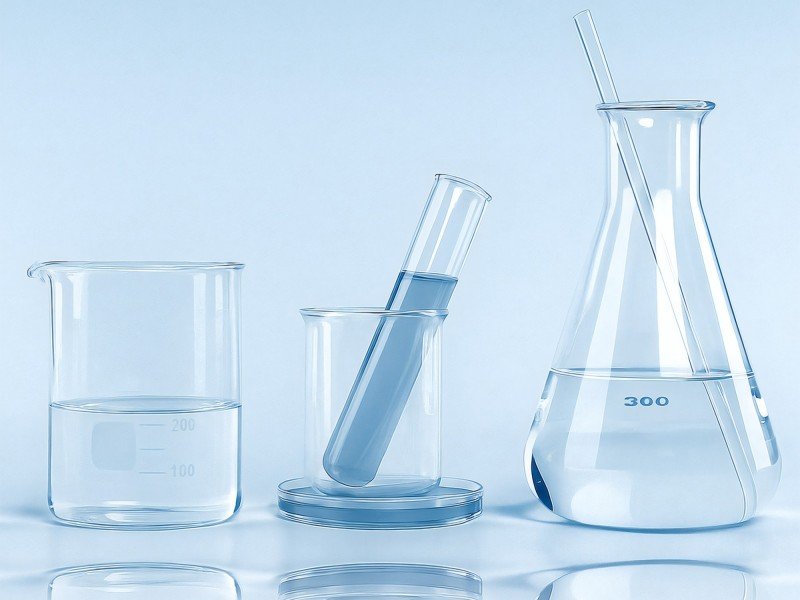
Decontamination and sterilization of stainless steel tools, glassware, and machine parts.

Liquid Loads
Liquid Loads

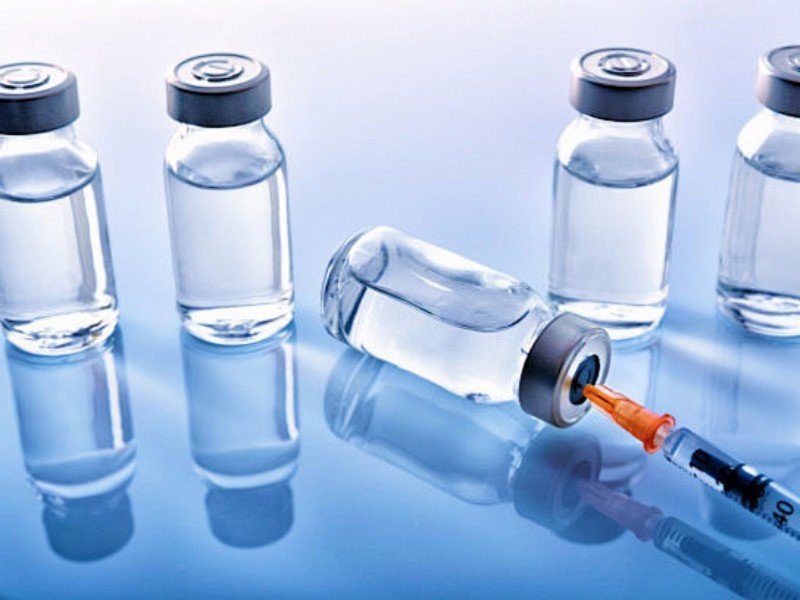
Terminal sterilization of parenteral solutions, culture media, and filled ampoules/vials.

Stoppering Components

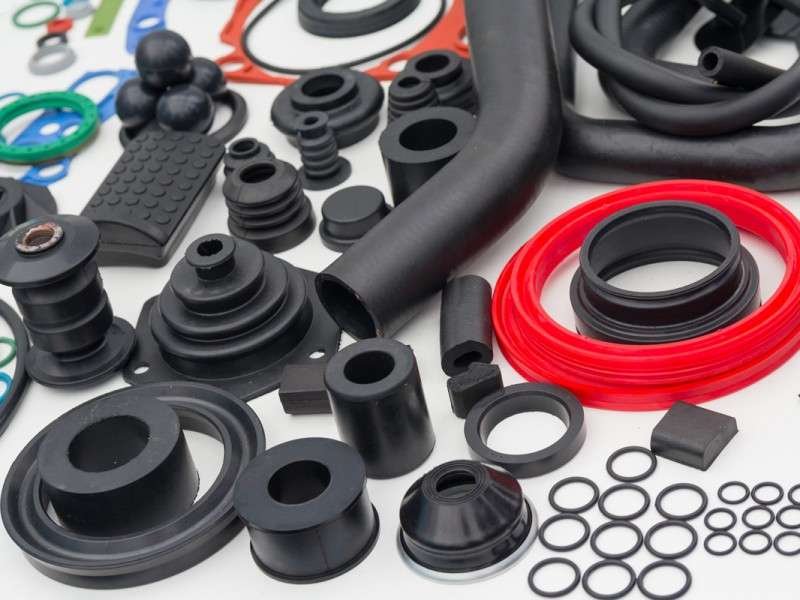
Specialized cycles for rubber bungs and silicone closures.

Bio-Hazardous Waste
Bio-Hazardous Waste

Secure decontamination of laboratory waste (BSL-3/BSL-4 applications) before disposal.

FAQ

How does an autoclave actually sterilize items?

An autoclave works like a high-tech pressure cooker. It uses saturated steam under high pressure to raise the temperature of the items inside to levels (typically 121 C or 134 C) that bacteria, viruses, and spores cannot survive. The pressure allows the steam to reach much higher temperatures than boiling water, ensuring total sterilization.

Most metals (stainless steel), glassware (Pyrex/borosilicate), and certain plastics (PP, PC, Fluoropolymers) are perfectly safe. However, you should never autoclave materials that can melt (like LDPE or HDPE), volatile chemicals, or items sensitive to high heat and moisture, as they may deform or release toxic fumes.

A standard sterilization phase usually lasts between 15 to 30 minutes at 121 C. However, the total cycle time including the time it takes to heat up, build pressure, and cool down can range from 45 minutes to over an hour, depending on the size of the load and the type of material being processed.

If items come out wet, they can easily become re-contaminated by bacteria in the air. Our autoclaves include a vacuum-assisted drying phase that pulls moisture out of the chamber. This ensures that wrapped tools and porous materials (like lab coats) are completely dry and ready for immediate use or storage.

The most critical maintenance is checking the door gasket (seal) and ensuring you use high-quality water (distilled or deionized). A worn gasket can lead to pressure leaks, while poor water quality can cause mineral buildup (scale) that clogs the pipes and damages the heating elements over time.

Unlock Your Medicine Production Potential. Speak with an Innoval Pharma Expert to Tailor Your Solution.

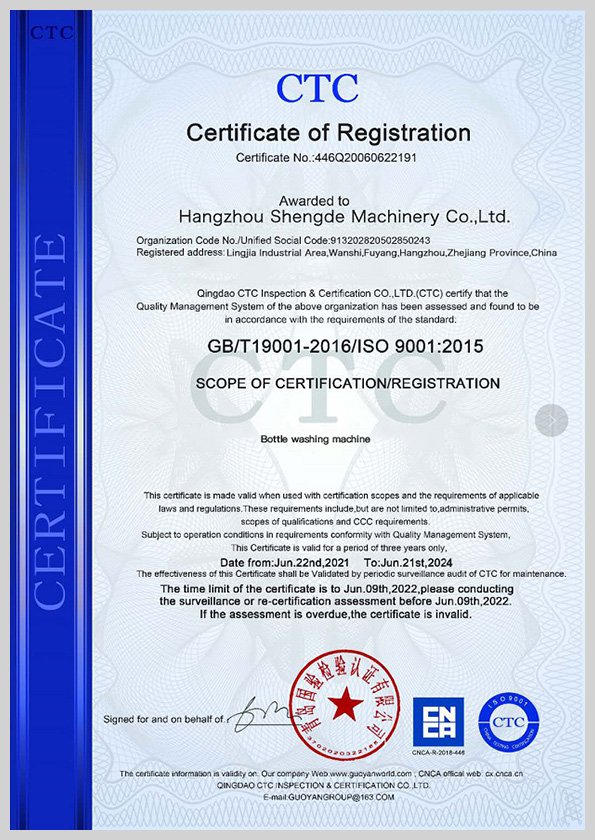
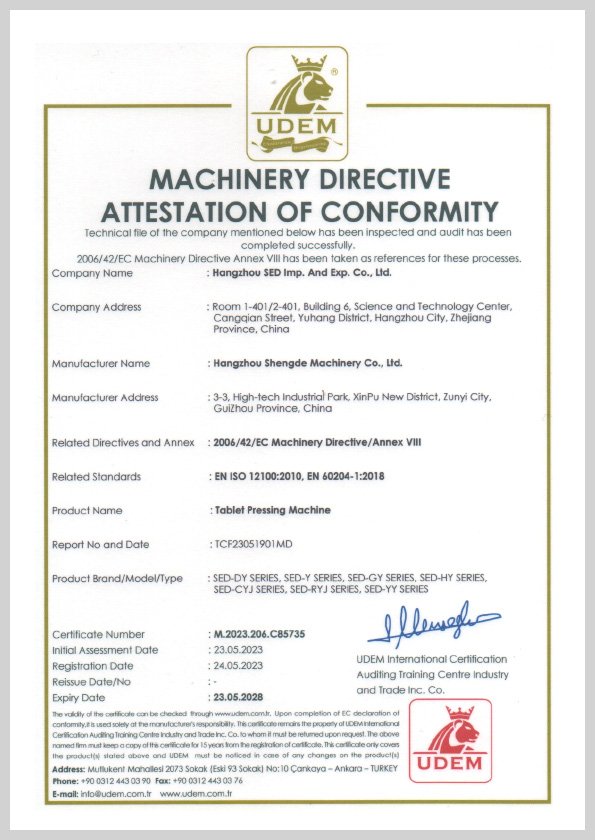
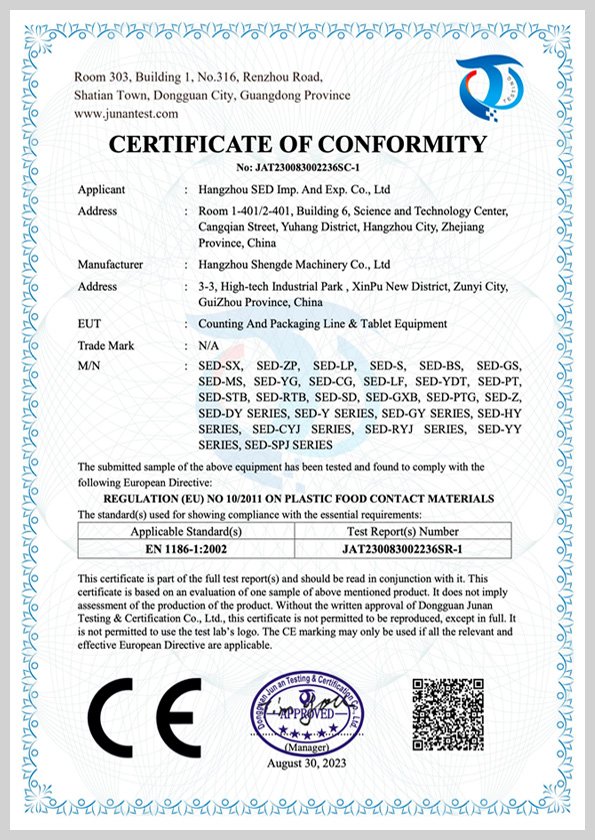
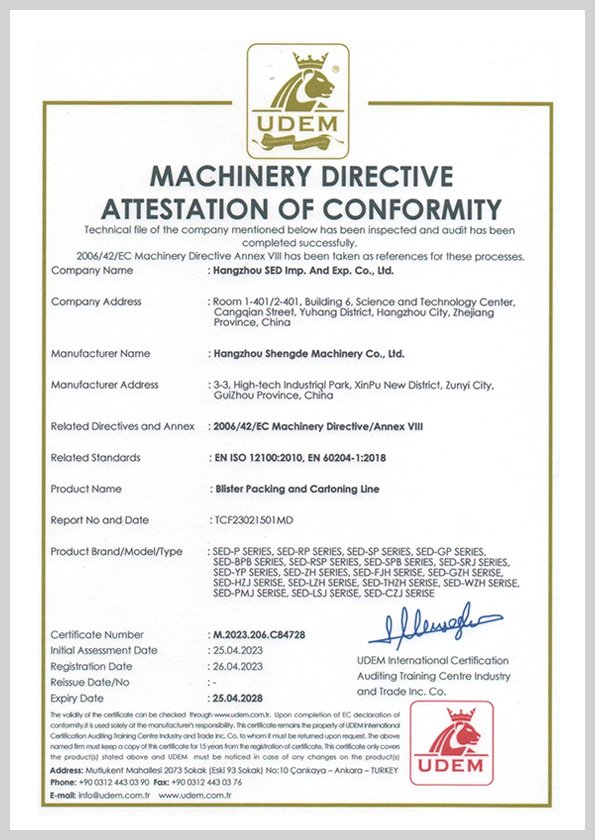
Certificates

Related Products

45
44
43
42

Contact Info

Call Us

+1(323)215-9729 (North/South America)

Email

sales@innovalpharma.com

WhatsApp

+1(213)258-7721

After Service

+1(909)230-8253 (North/South America)

Get In Touch

*We respect your confidentiality, and all information is protected.

Scroll to Top

Get a Quote