Banding Machine
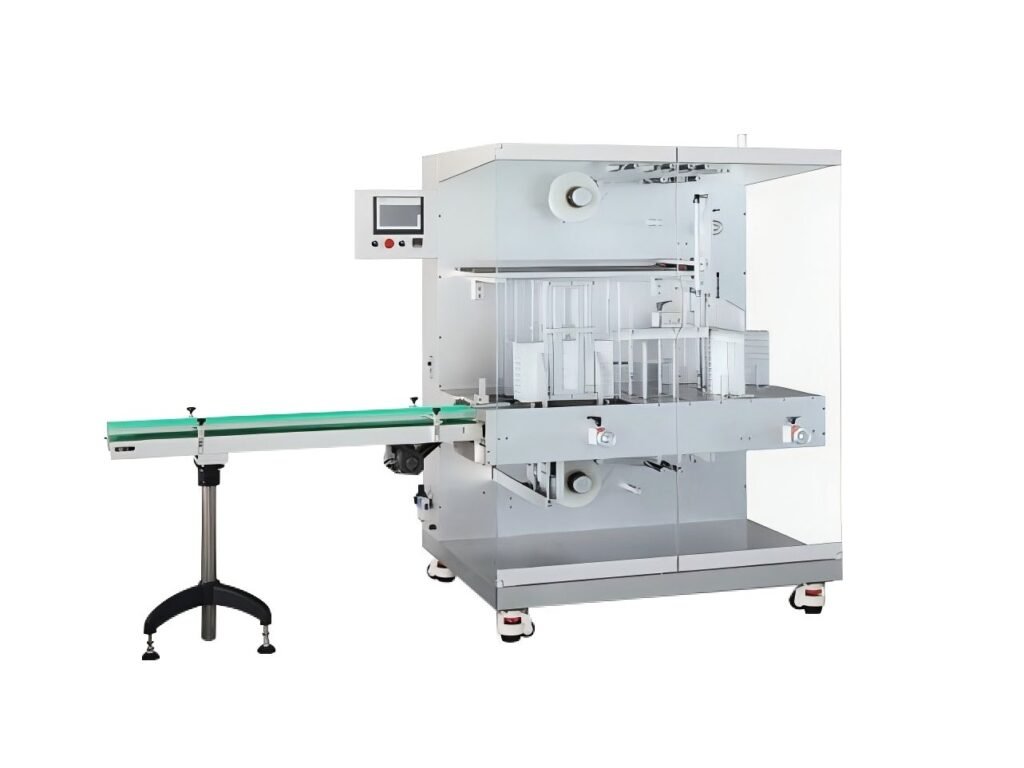
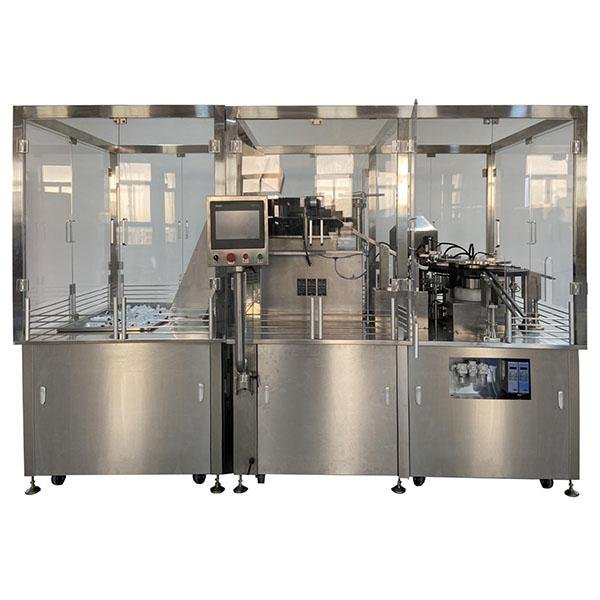
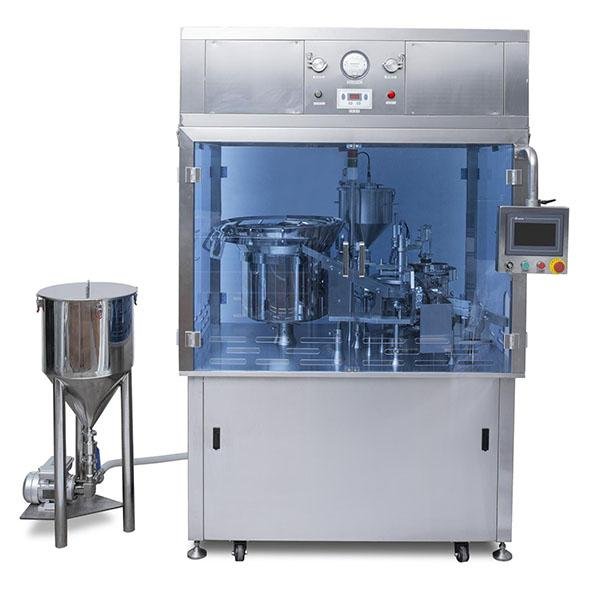
Automatic banding machines are a highly efficient and environmentally friendly packaging solution that uses ultra-thin heat-sealing tape to securely bundle products. These banding machines are widely used in the pharmaceutical, food, and printing industries for multi-packaging combinations, labeling, and promotional bundling without damaging the original packaging.
Designed for high-speed, reliable operation, these systems employ advanced tension control and precise heat-sealing or ultrasonic welding technology to ensure strong and damage-free bundling. The strapping process is a sustainable alternative to shrink packaging, significantly reducing material waste and energy consumption. Its modular design makes it easy to integrate into existing production lines and allows for direct printing of variable data onto the tape.
Product Display
Benefits
Banding is a highly sustainable packaging method that can replace traditional shrink wrap. It uses less material, typically just a thin strip of recyclable paper or plastic tape, and significantly reduces energy consumption because it eliminates the need for high-temperature hot air tunnels.
Unlike plastic tape that can tear cardboard or shrink film that can deform fragile boxes, banding machines use adjustable tension control. This ensures a strong strapping effect, sufficient for transport, without leaving any marks or dents on premium retail packaging.
Modern banding systems can be equipped with integrated thermal transfer printers. This allows you to print variable data, such as barcodes, expiration dates, or promotional markings, directly onto the banding tape. This makes the packaging material itself an information carrier, typically eliminating the need for additional adhesive labels.
These banding machines are designed for seamless integration into automated production lines, featuring high cycle speeds and rapid sealing (via heat fusion or ultrasonic welding). Equipped with a high-capacity tape roll dispenser, it minimizes downtime for material changes, thus maintaining high output and stability.
Bundling straps bring an "easy and hassle-free" experience to end users. Unlike heavy shrink film or plastic banding that requires scissors, paper or film binding straps can usually be torn by hand or gently, enhancing consumers' perception of your brand's convenience.
Banding is a highly sustainable packaging method that can replace traditional shrink wrap. It uses less material, typically just a thin strip of recyclable paper or plastic tape, and significantly reduces energy consumption because it eliminates the need for high-temperature hot air tunnels.
Unlike plastic tape that can tear cardboard or shrink film that can deform fragile boxes, banding machines use adjustable tension control. This ensures a strong strapping effect, sufficient for transport, without leaving any marks or dents on premium retail packaging.
Modern banding systems can be equipped with integrated thermal transfer printers. This allows you to print variable data, such as barcodes, expiration dates, or promotional markings, directly onto the banding tape. This makes the packaging material itself an information carrier, typically eliminating the need for additional adhesive labels.
These machines are designed for seamless integration into automated production lines, featuring high cycle speeds and rapid sealing (via heat fusion or ultrasonic welding). Equipped with a high-capacity tape roll dispenser, it minimizes downtime for material changes, thus maintaining high output and stability.
Bundling straps bring an "easy and hassle-free" experience to end users. Unlike heavy shrink film or plastic banding that requires scissors, paper or film binding straps can usually be torn by hand or gently, enhancing consumers' perception of your brand's convenience.
Application
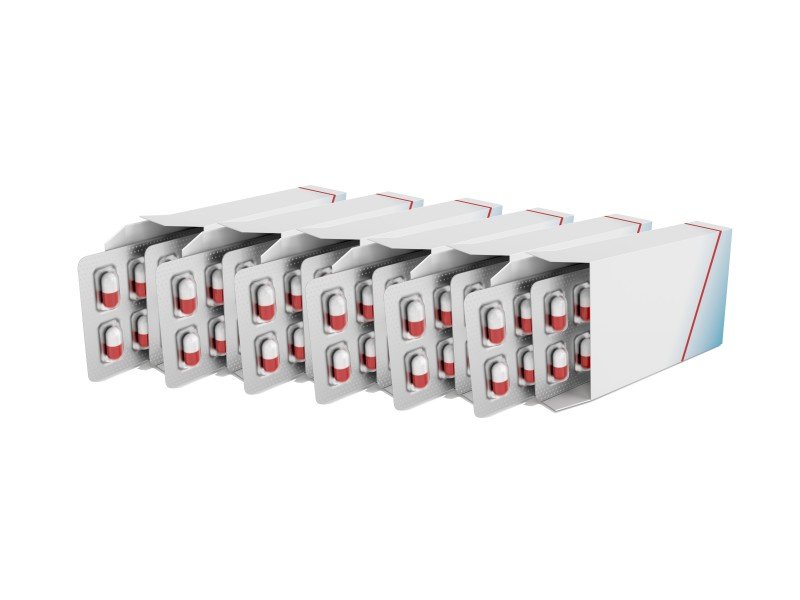
Commonly used to bundle multiple small medicine boxes for wholesale or 3-for-1 promotional offers.
Ideal for securing pre-packed trays of meat, vegetables, or soft fruits.
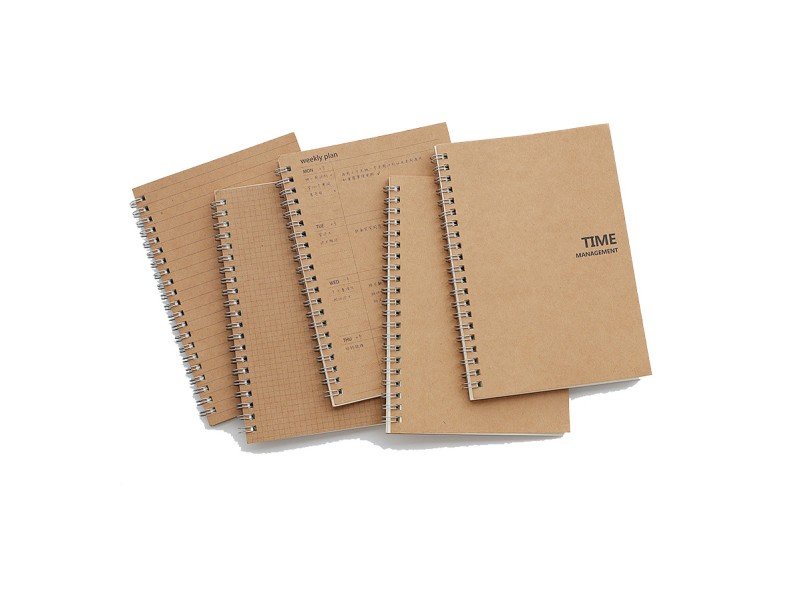
The standard for the commercial printing industry to bundle high volumes of paper products.
Used by retailers to create twin-packs or "value sets" of cosmetics, toiletries, or household goods.
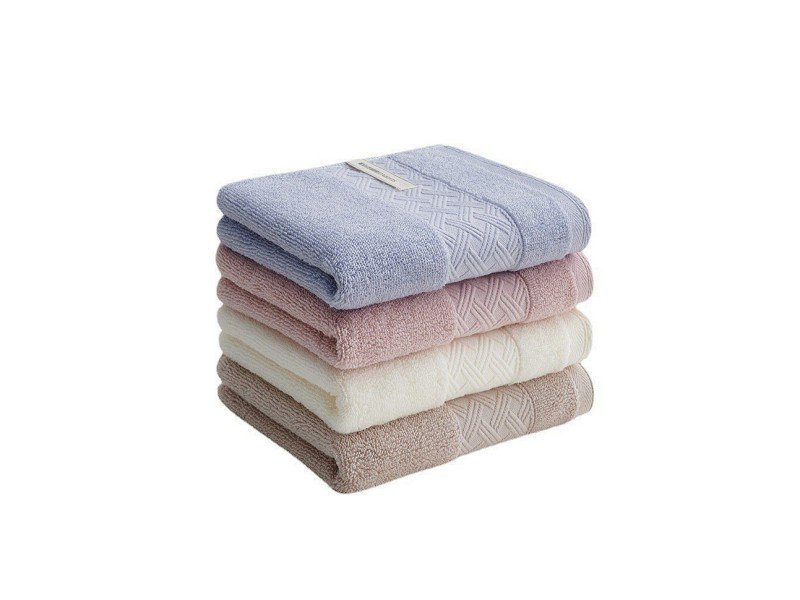
Applied in industrial laundries and the apparel industry to keep folded linens, towels, or socks in neat, compressed stacks.
FAQ
What materials can be used for banding?
The banding machine typically uses either heat-sealable paper tape or plastic film (PP/PE). Paper bands are preferred for eco-friendly branding, while plastic films offer higher tensile strength and transparency for visibility.
Does the banding process damage the product packaging?
No. Unlike plastic strapping, banding machines feature adjustable tension control. This allows the band to be tight enough to secure the load without leaving marks, indentations, or crushing the corners of delicate cardboard boxes.
Can I print production data directly on the band?
Yes. Most advanced banding systems can integrate a Thermal Transfer Overprinter (TTO). This allows you to print real-time information such as barcodes, QR codes, expiration dates, and batch numbers directly onto the band during the packaging cycle.
How is the band sealed?
Banding machines use either heat-sealing or ultrasonic welding technology. Both methods create a secure, permanent bond without the need for adhesives or glue, ensuring a clean and professional finish.
Is banding a good alternative to shrink wrapping?
Absolutely. Banding is more sustainable and cost-effective as it uses significantly less material. It also eliminates the need for energy-heavy heat tunnels, making it an ideal choice for grouping multi-packs in the pharmaceutical and food industries.
Unlock Your Medicine Production Potential. Speak with an Innoval Pharma Expert to Tailor Your Solution.
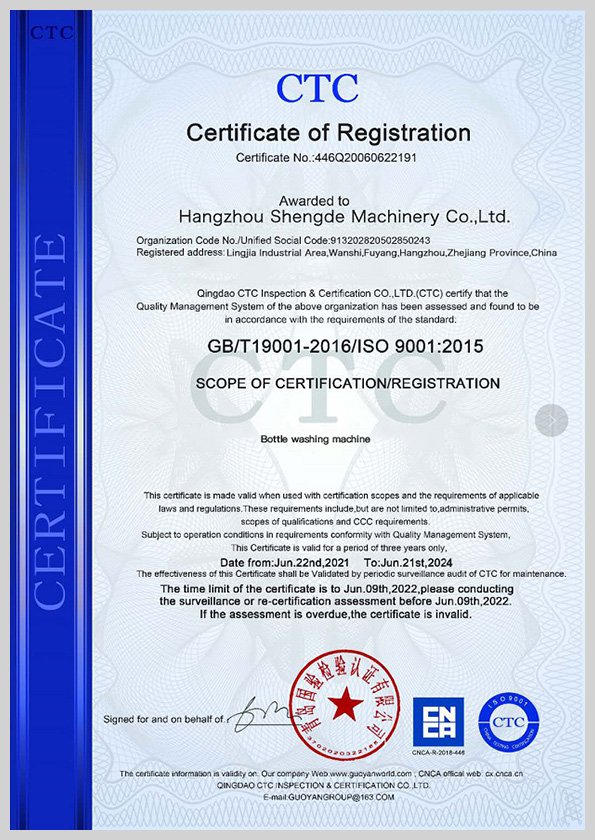
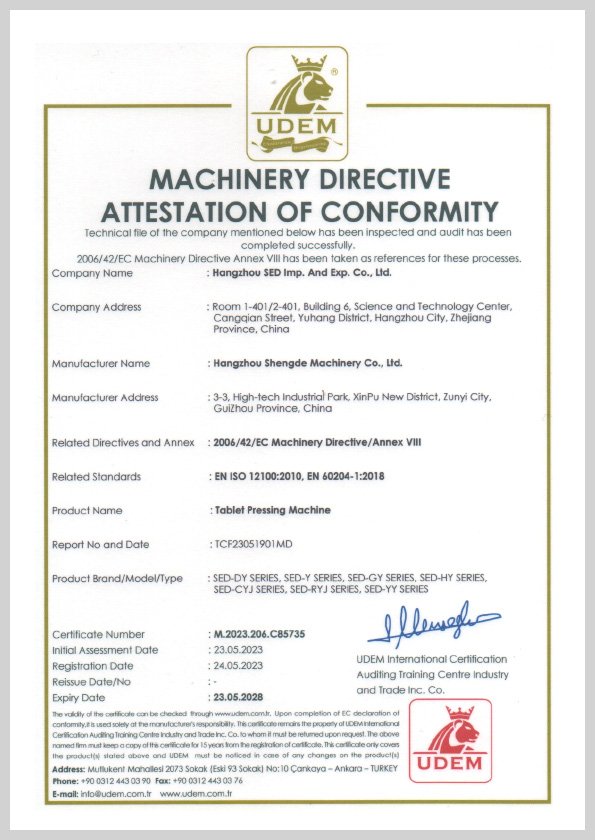
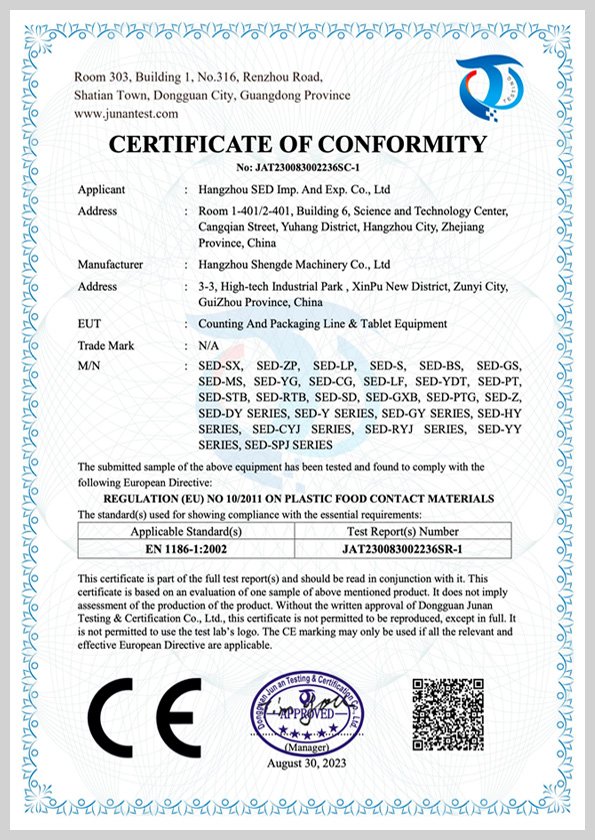
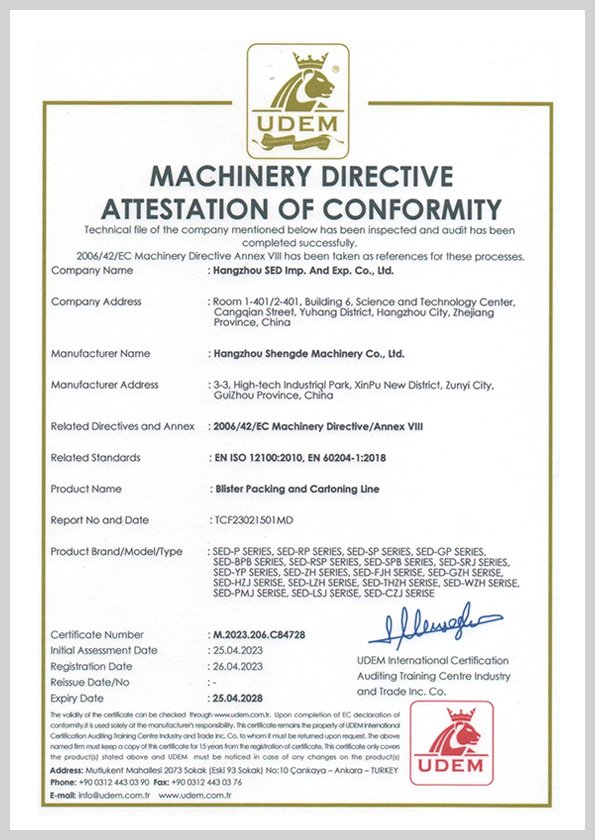
Certificates


Related Products
Contact Info
Call Us
+1(323)215-9729 (North/South America)
sales@innovalpharma.com
+1(213)258-7721
After Service
+1(909)230-8253 (North/South America)