Printing Machine
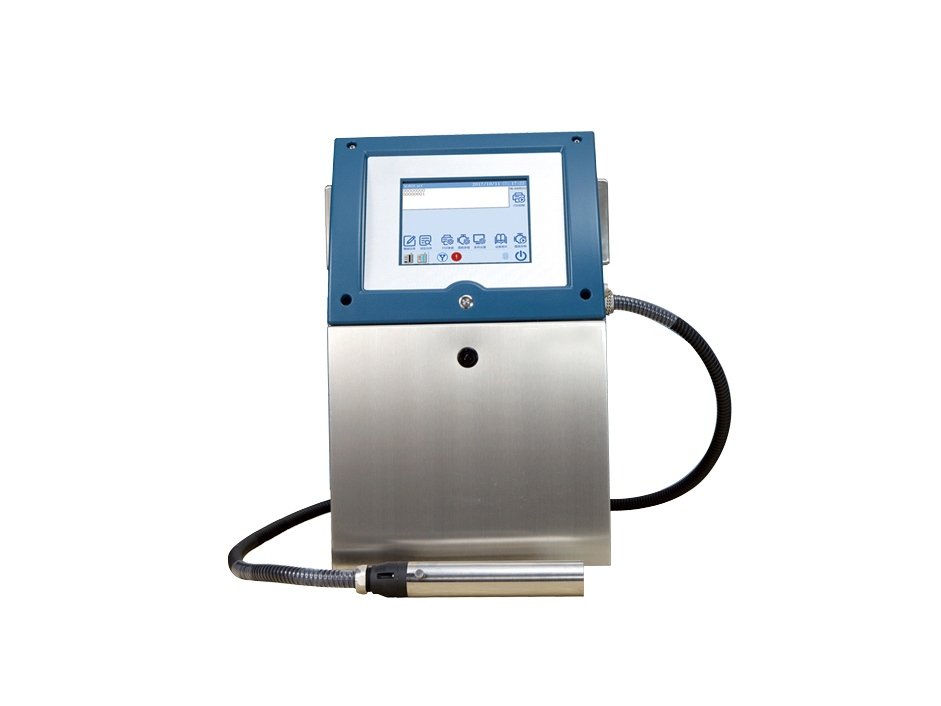
Industrial printing machine is a vital component of modern production lines, designed to apply critical traceability data directly to primary and secondary packaging. These versatile systems—including thermal transfer printers, laser coders, and inkjet printers—can print high-resolution text, barcodes, QR codes, and expiration dates on a variety of substrates such as plastic films, aluminum foil, labels, and cartons.
These printers are designed for seamless integration into high-speed packaging environments, equipped with advanced digital control systems that ensure permanent, stain-resistant, and high-contrast marking. They prioritize minimizing downtime and operating costs, offer user-friendly interfaces for quick information editing, and feature a low-maintenance design.
Product Display
Benefits
These devices print ultra-clear alphanumeric codes, 1D/2D barcodes, and QR codes. This ensures full compliance with global regulatory standards and provides perfect readability for scanners throughout the supply chain.
Modern industrial printers are designed to adapt to a wide range of packaging materials, including PVC, aluminum foil, flexible film, and glossy cartons. Whether using thermal transfer or continuous inkjet technology, they ensure strong ink adhesion and high contrast on both porous and non-porous surfaces.
Using quick-drying inks or advanced laser carbonization technology, the printed information is moisture-proof, abrasion-resistant, and chemically resistant. This permanence is crucial for expiration dates and batch numbers that must be clearly identifiable from the production line to the consumer.
Designed for high-speed production environments, these printers integrate easily into blister packers, cartoners, or labeling lines. They employ synchronous signal communication technology for real-time printing without reducing overall production efficiency.
Equipped with an intuitive touchscreen controller, operators can quickly update variable data, change fonts, or adjust layouts without mechanical adjustments. This minimizes downtime during product changeovers and reduces the risk of human error during data entry.
These devices print ultra-clear alphanumeric codes, 1D/2D barcodes, and QR codes. This ensures full compliance with global regulatory standards and provides perfect readability for scanners throughout the supply chain.
Modern industrial printers are designed to adapt to a wide range of packaging materials, including PVC, aluminum foil, flexible film, and glossy cartons. Whether using thermal transfer or continuous inkjet technology, they ensure strong ink adhesion and high contrast on both porous and non-porous surfaces.
Using quick-drying inks or advanced laser carbonization technology, the printed information is moisture-proof, abrasion-resistant, and chemically resistant. This permanence is crucial for expiration dates and batch numbers that must be clearly identifiable from the production line to the consumer.
Designed for high-speed production environments, these printers integrate easily into blister packers, cartoners, or labeling lines. They employ synchronous signal communication technology for real-time printing without reducing overall production efficiency.
Equipped with an intuitive touchscreen controller, operators can quickly update variable data, change fonts, or adjust layouts without mechanical adjustments. This minimizes downtime during product changeovers and reduces the risk of human error during data entry.
Application
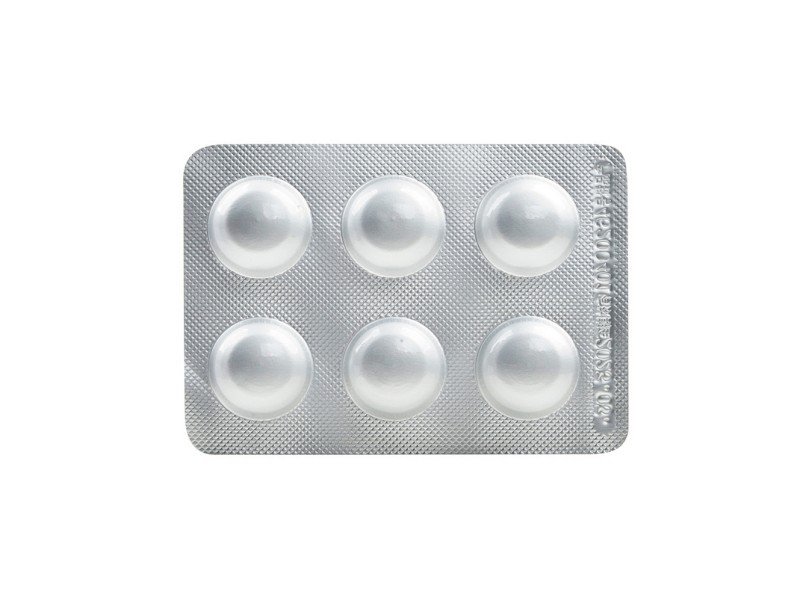
Used for directly printing batch numbers, expiration dates, and product names onto the aluminum foil or PVC backing of pharmaceutical blister packs.
Used for side covers or bottoms of cartons, printing 2D DataMatrix codes and barcodes using high-resolution inkjet or laser encoders.
Commonly used in the food and snack industry for printing "best before" dates and batch numbers.
Dedicated laser marking or continuous inkjet systems for direct printing on glass surfaces.
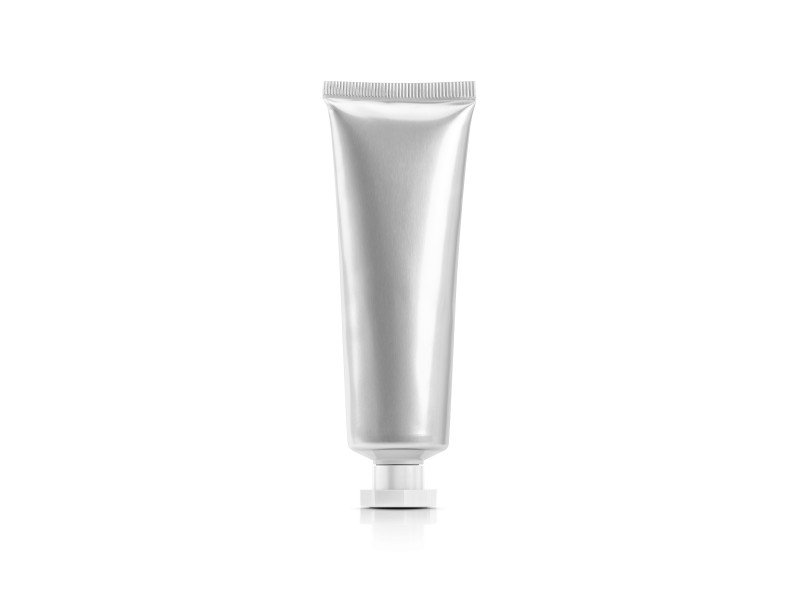
Used for coding the crimped seals of aluminum or plastic tubes.
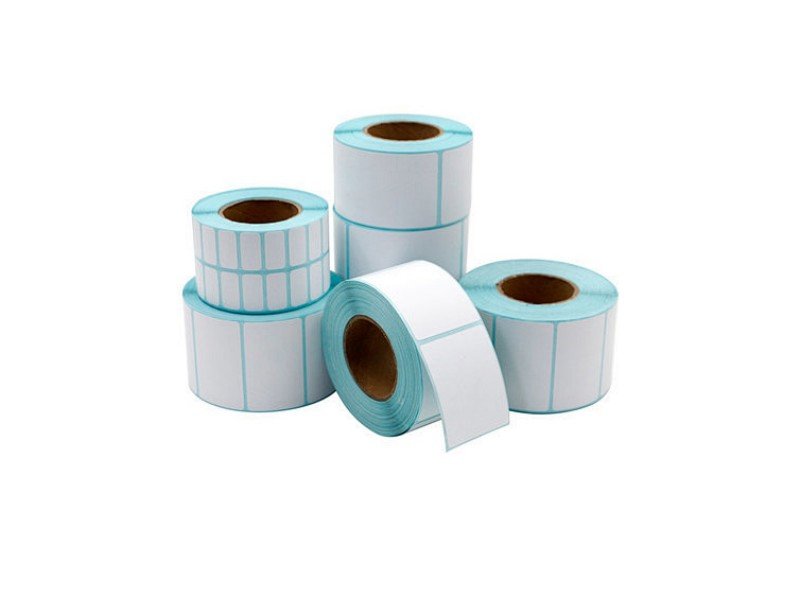
Integrated into labeling machines for "overprinting" variable data on pre-printed brand labels.
FAQ
What are the main advantages of Thermal Transfer (TTO) compared to traditional coding?
TTO offers higher resolution and is designed for flexible packaging such as aluminum foil and film. It is completely digital, meaning you can instantly change dates and codes via a touchscreen, eliminating the need for physical stamps or smudged ink.
Can these printers handle high-speed production lines?
Yes. Modern continuous inkjet and laser coding machines are designed for high-speed synchronization. They can clearly and accurately code products moving at speeds of hundreds of meters per minute without any contact and without slowing down the production line.
Are the printed codes permanent and smudge-proof?
Absolutely. Depending on the substrate, we use quick-drying industrial inks or laser carbonization technology. These methods ensure the codes are resistant to moisture, abrasion, and chemical solvents, which is crucial for pharmaceuticals and food safety.
What is the difference between laser coding machines and inkjet printers?
Laser coding machines are a “consumable-free” solution that uses a focused beam of light to etch codes onto the surface of an object. Inkjet printers, on the other hand, use ink and solvents. While laser marking machines have a higher initial cost, their long-term operating costs are lower, and they require no downtime for refilling ink.
Can this printing machine print 2D DataMatrix codes for serialization?
Yes. All our digital printing systems are capable of generating 1D barcodes and 2D DataMatrix codes. This is crucial for meeting global traceability regulations and ensuring the authenticity of products throughout the supply chain.
Unlock Your Medicine Production Potential. Speak with an Innoval Pharma Expert to Tailor Your Solution.
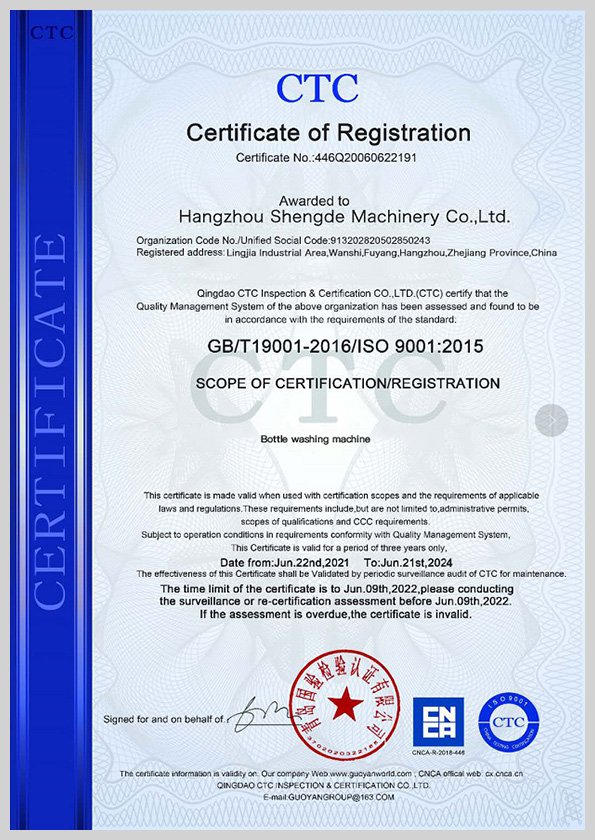
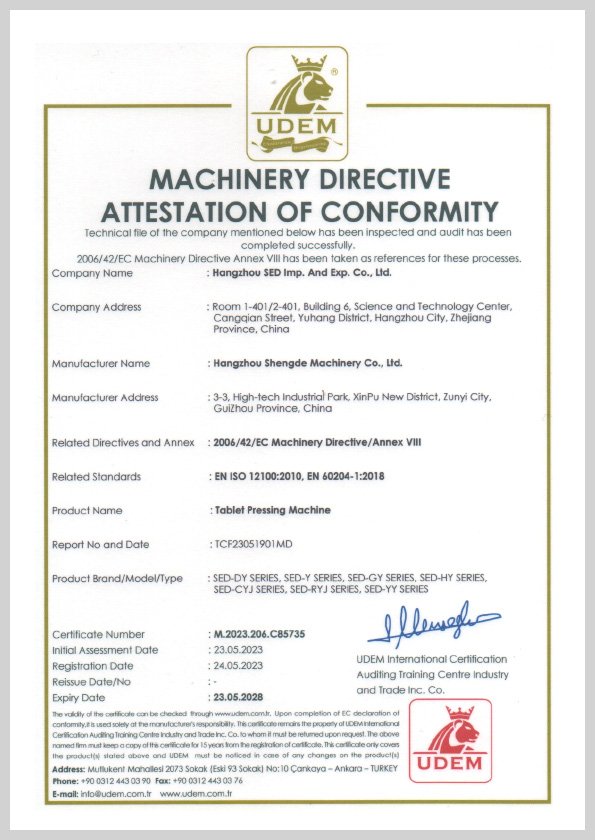
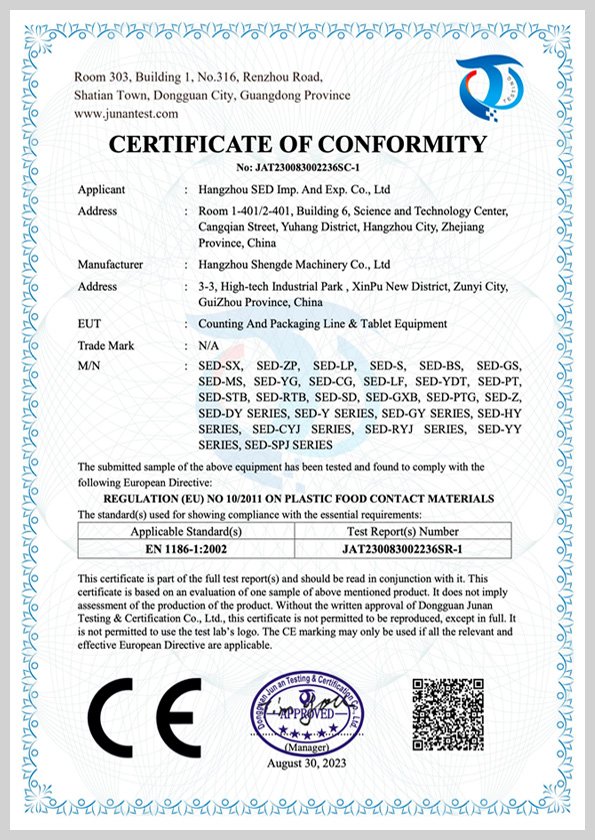
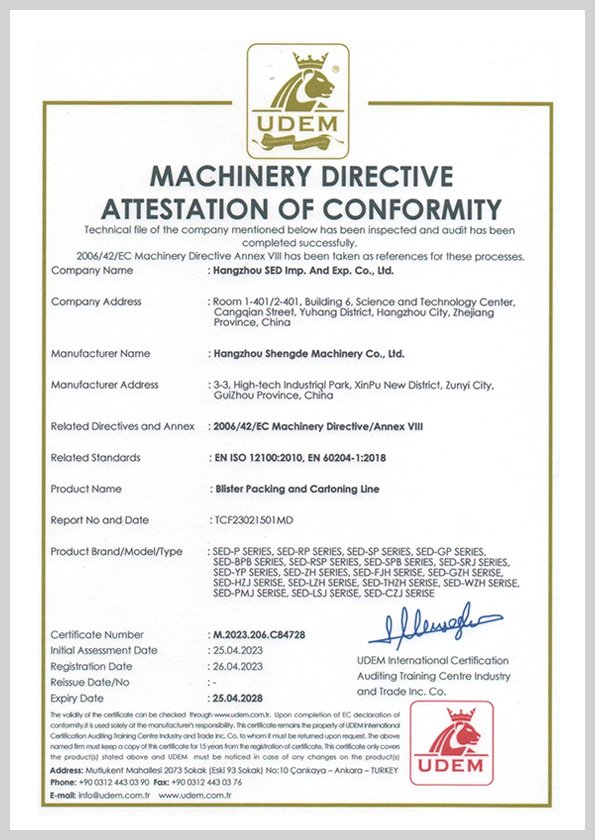
Certificates


Related Products
Contact Info
Call Us
+1(323)215-9729 (North/South America)
sales@innovalpharma.com
+1(213)258-7721
After Service
+1(909)230-8253 (North/South America)