


A tablets machine is a core piece of equipment for producing compressed solid products. Although the basic compression principle is similar across industries, production requirements can vary considerably according to the formulation, product purpose, regulatory environment, and required output.
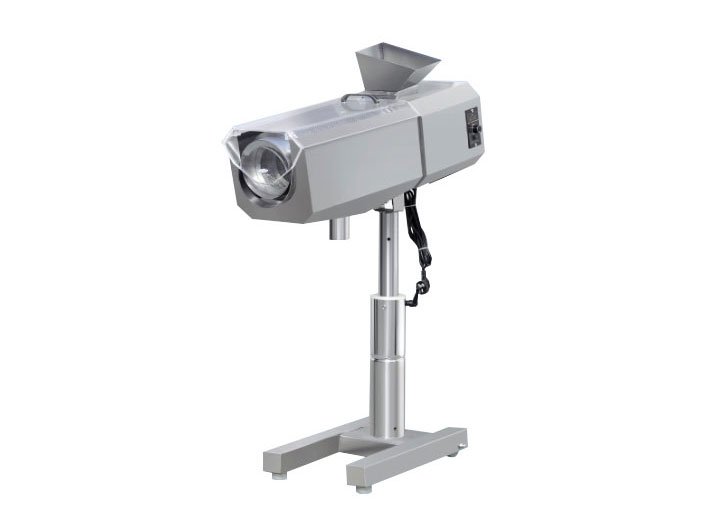
In pharmaceutical, health supplement, and food production, a tablets machine must be selected and configured according to the characteristics of the material and the final product. After compression, equipment such as a tablet deduster may also be used to remove loose powder from tablet surfaces and support cleaner downstream handling. Understanding these application scenarios helps manufacturers choose suitable equipment and establish a more stable production process.
Tablets Machine Applications in Pharmaceutical Production
Pharmaceutical manufacturing is one of the most demanding application areas for a tablets machine. Pharmaceutical tablets may contain active pharmaceutical ingredients, excipients, lubricants, and other functional materials. The compression process needs to produce tablets with consistent weight, hardness, thickness, and appearance.
A tablets manufacturing machine used in pharmaceutical production is normally integrated into a broader process that may include powder preparation, granulation, blending, compression, dedusting, inspection, and packaging. The tablets machine itself does not determine final product quality independently. Material properties, tooling, machine settings, environmental conditions, and process controls all contribute to the result.
Common pharmaceutical applications include:
- Immediate-release tablets
- Chewable and dispersible tablets
- Effervescent tablets
- Nutritional or mineral tablets
- Other compressed solid dosage forms
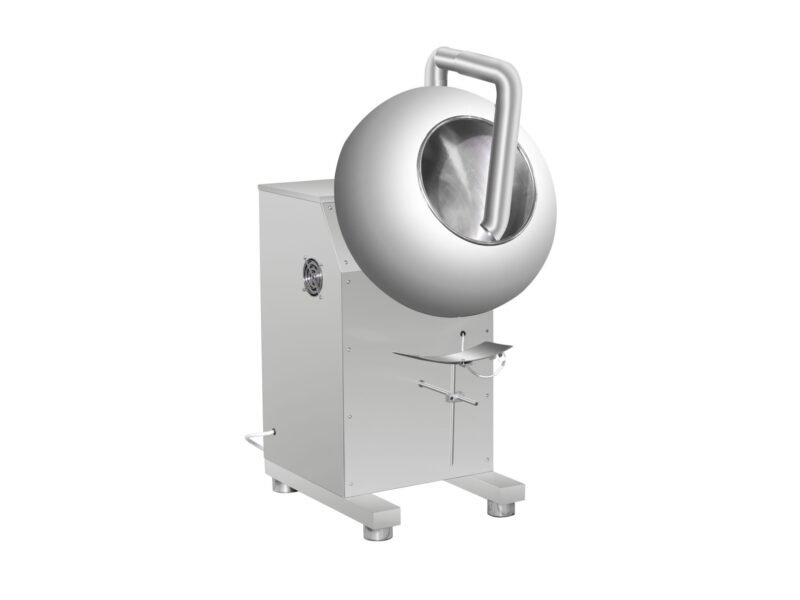
Production requirements may also differ between development, small-batch, and high-volume manufacturing. Pharmaceutical facilities generally place strong emphasis on process consistency, equipment cleanability, material containment, and documented operating procedures. Depending on the product, a tablet coating machine may also be used as a downstream step to apply a protective or functional coating to compressed tablets.
Tablets Machine Applications in Health Supplement Production
The health supplement sector uses tablets machine equipment for products such as vitamins, minerals, botanical ingredients, and other nutritional formulations. Compared with pharmaceutical production, formulations can have different flow, density, moisture, and compressibility characteristics.
A tablets machine for supplements may need to handle materials with relatively high proportions of powders, granules, or nutritional ingredients. Some formulations can be sensitive to compression force or require specific tooling to achieve the desired tablet shape and strength.
| Application | Typical Product | Main Production Concern |
|---|---|---|
| Vitamins | Vitamin tablets | Uniformity and tablet strength |
| Minerals | Mineral tablets | Density and compression |
| Botanical products | Herbal tablets | Powder flow and compressibility |
| Nutritional blends | Supplement tablets | Formulation consistency |
In this sector, manufacturers often focus on production efficiency while maintaining consistent tablet dimensions and appearance. Tablet weight control and reliable feeding are particularly important when the formulation contains ingredients with different physical properties.
Tablets Machine Applications in Food Production
Food manufacturing represents another application scenario, although the products and production objectives can be quite different from pharmaceutical tablets. A tablets machine may be used to compress certain food products, confectionery products, flavoring products, or other dry formulations into defined shapes.
Food formulations can contain ingredients such as sugars, salts, starches, flavors, and other food-grade materials. Their flowability, moisture content, particle size, and binding characteristics affect compression performance.
For food applications, manufacturers commonly consider:
- The physical properties of the formulation.
- Required tablet size, shape, and weight.
- Production speed and expected output.
- Cleaning and material-contact requirements.
- Packaging and downstream handling needs.
A tablets machine selected for food production should therefore match both the formulation and the intended manufacturing environment. Food-grade contact materials and appropriate sanitation procedures are important considerations.
Tablets Machine Application Summary
The common applications of a tablets machine extend across pharmaceutical, health supplement, and food manufacturing. While these industries share the basic concept of powder or granule compression, their formulations, quality objectives, sanitation requirements, and production conditions can be substantially different.
A suitable tablets machine should therefore be selected according to the actual product, formulation, required output, tooling, and manufacturing environment. Careful application analysis can help manufacturers achieve stable compression performance while supporting efficient and consistent production.
FAQ
What industries commonly use a tablets machine?
Pharmaceutical, health supplement, nutraceutical, and selected food manufacturing applications commonly use tablets machine equipment.
Can one tablets machine handle different formulations?
Potentially, but performance depends on material flowability, compressibility, tablet specifications, tooling, and machine configuration.
What is the key difference between pharmaceutical and food applications?
Pharmaceutical production generally requires tighter process control and regulatory compliance, while food applications place strong emphasis on formulation handling, sanitation, and food-grade production requirements.