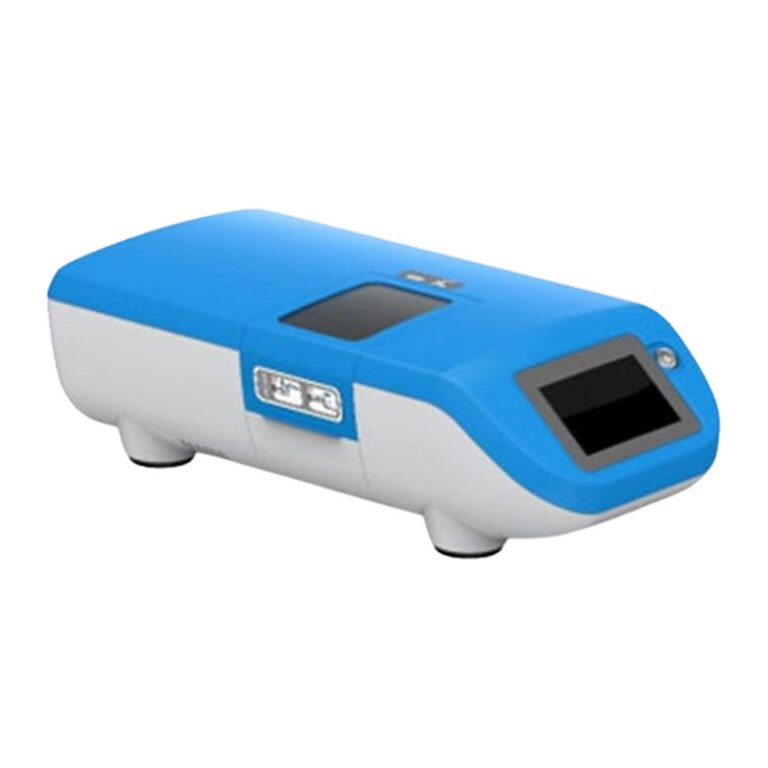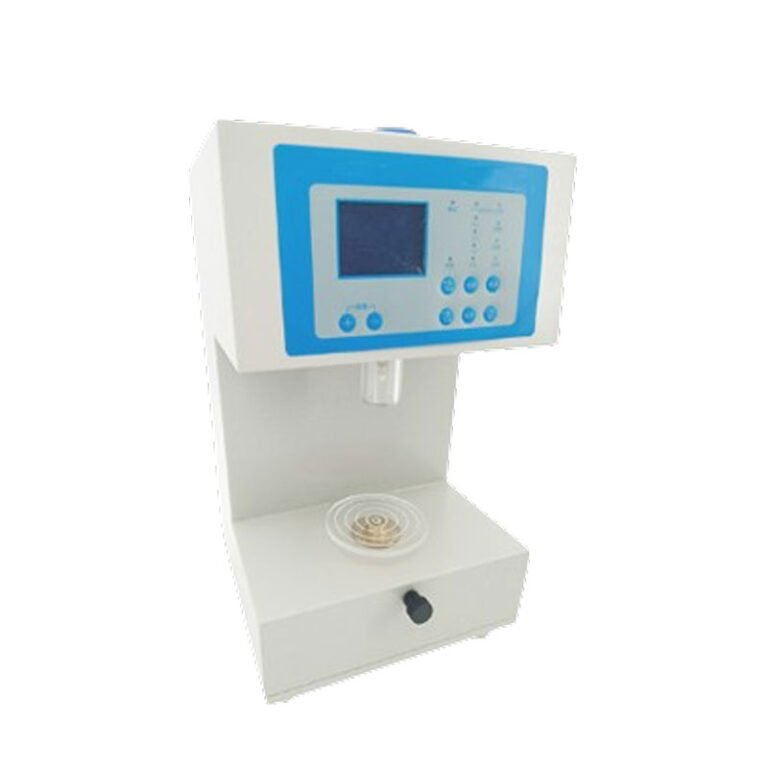


Hardness Tester
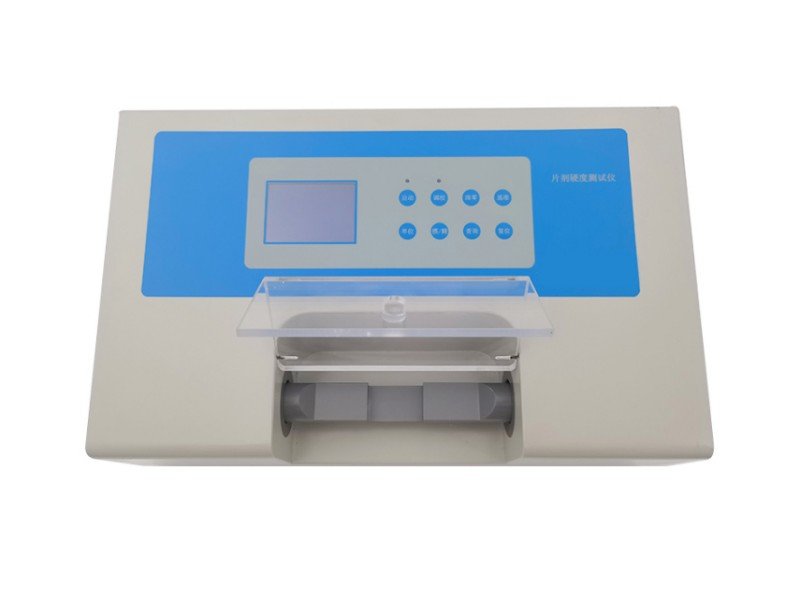
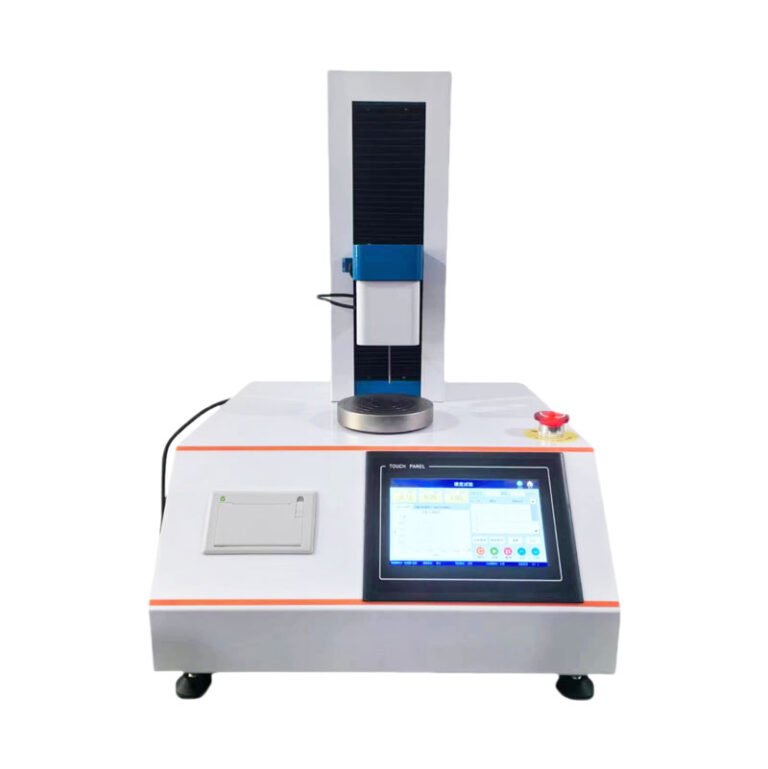
Tablet hardness testers are specifically designed to determine the mechanical integrity and breaking strength of solid dosage forms. By applying a controlled compressive load until the tablet fractures, these instruments provide critical data for assessing the structural strength required for tablets to withstand rigorous processes such as film coating, automated packaging, and global distribution.
Engineered for exceptional accuracy and repeatability, these systems feature high-precision load cells and motorized jaw drives, thereby eliminating the variability inherent in manual testing.
Product Display
Benefits
Utilizing high-sensitivity load cells and advanced digital signal processing technology, this device delivers highly precise readings of breaking force. This capability helps maintain the critical balance between a tablet being "hard enough to withstand handling" and "soft enough to disintegrate correctly."
The electric drive system applies pressure at a constant and controlled rate. This eliminates human error and ensures that the force application rate remains consistent across every sample, thereby providing reliable, statistically significant data for quality audits.
Modern hardness testers typically integrate "four-in-one" functionality, allowing for the simultaneous measurement of a tablet's hardness, thickness, diameter, and weight within a single automated test cycle. This significantly enhances laboratory workflow efficiency.
Designed for convenient on-site calibration, allowing users to perform the procedure using certified standard weights or electronic load cells. This ensures that the instrument consistently complies with GMP standards and provides reliable, digitally traceable records.
Utilizing high-sensitivity load cells and advanced digital signal processing technology, this device delivers highly precise readings of breaking force. This capability helps maintain the critical balance between a tablet being "hard enough to withstand handling" and "soft enough to disintegrate correctly."
The electric drive system applies pressure at a constant and controlled rate. This eliminates human error and ensures that the force application rate remains consistent across every sample, thereby providing reliable, statistically significant data for quality audits.
Modern hardness testers typically integrate "four-in-one" functionality, allowing for the simultaneous measurement of a tablet's hardness, thickness, diameter, and weight within a single automated test cycle. This significantly enhances laboratory workflow efficiency.
Designed for convenient on-site calibration, allowing users to perform the procedure using certified standard weights or electronic load cells. This ensures that the instrument consistently complies with GMP standards and provides reliable, digitally traceable records.
Application
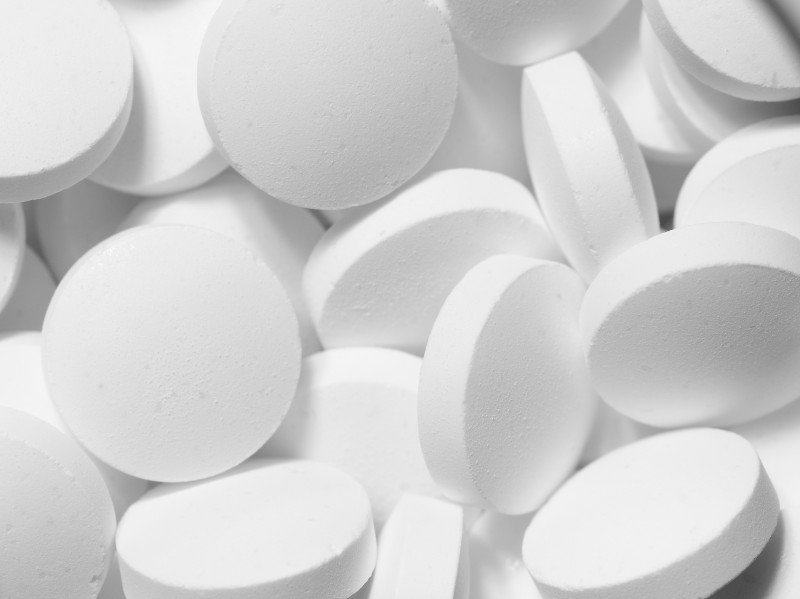
Primarily used to measure the radial crushing strength of conventional oral medications, ensuring they do not chip or fracture during high-speed blister packaging processes.
Tested using specialized instruments equipped with high-capacity fixtures, designed for large-format animal medications; the crushing strength requirements for such drugs are significantly higher than those for tablets intended for human use.
Used to assess the structural integrity of various dietary supplements; as these products often contain fibrous or oily natural ingredients, achieving uniform and consistent compression during the tableting process can be challenging.
Applied to the "tablet core" prior to the coating stage. This test aims to ensure the core possesses sufficient strength to withstand abrasion or fracture while tumbling at high speeds and under elevated temperatures within the coating pan.
Crucial for researchers, as it facilitates the investigation of the intrinsic relationship between compression pressure and tablet hardness, thereby aiding in the determination of the optimal "dwell time" and compression parameters required for new drug formulations.
FAQ
What units are used to measure tablet hardness?
The most commonly used units include Newtons (N), Kiloponds (kp), or Strong-Cobb (Sc). Most modern digital testers allow users to switch between these units instantly via a settings menu.
How does this device handle tablets of different shapes?
The testing jaws are specifically designed to accommodate tablets of various shapes including round, oval, capsule-shaped, and even unique geometric forms by automatically centering the tablet to ensure that the applied force acts precisely along its diameter.
What is the standard range for tablet hardness?
Although the specific range varies by product, the hardness of most standard oral tablets falls between 50 N and 150 N. Extended-release tablets may require higher hardness values, while chewable tablets typically have significantly lower hardness.
Does the speed at which the jaws move affect the test results?
Yes. The faster the jaws move, the higher the measured hardness reading tends to be. For this reason, both USP (United States Pharmacopeia) and EP (European Pharmacopoeia) standards recommend using a constant loading rate to ensure that test results are comparable across different laboratories.
How often should the load cell be calibrated?
To ensure compliance with 21 CFR Part 11 regulations and GMP guidelines, it is recommended to perform a functional check daily and a comprehensive professional calibration using certified standard weights every 6 to 12 months.
Unlock Your Medicine Production Potential. Speak with an Innoval Pharma Expert to Tailor Your Solution.
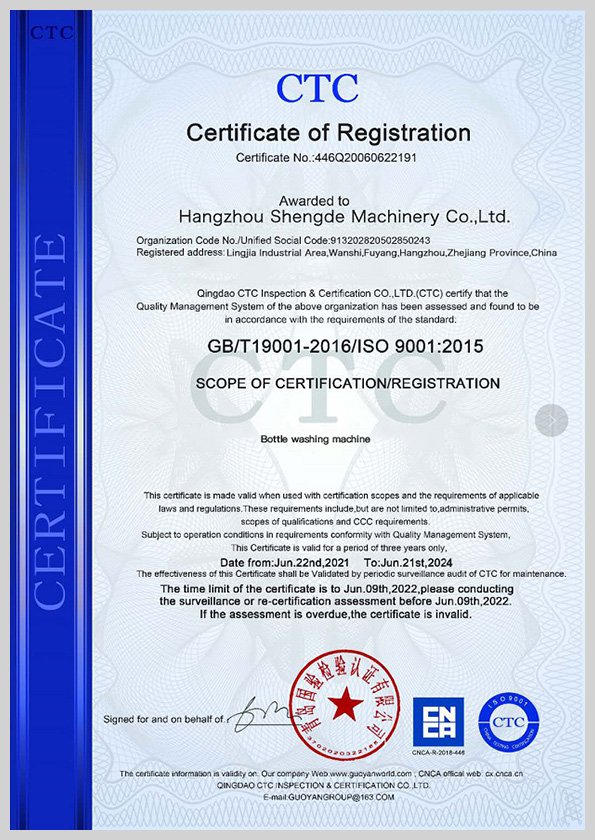
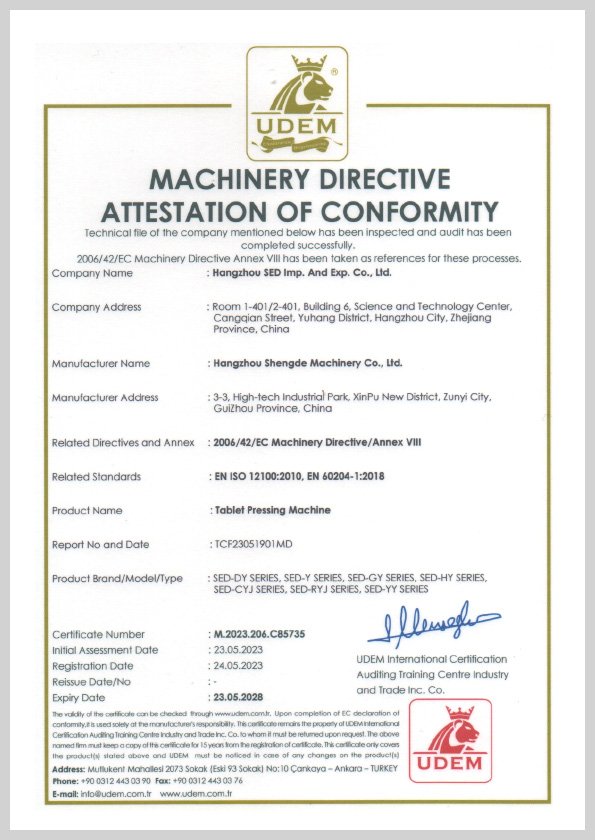
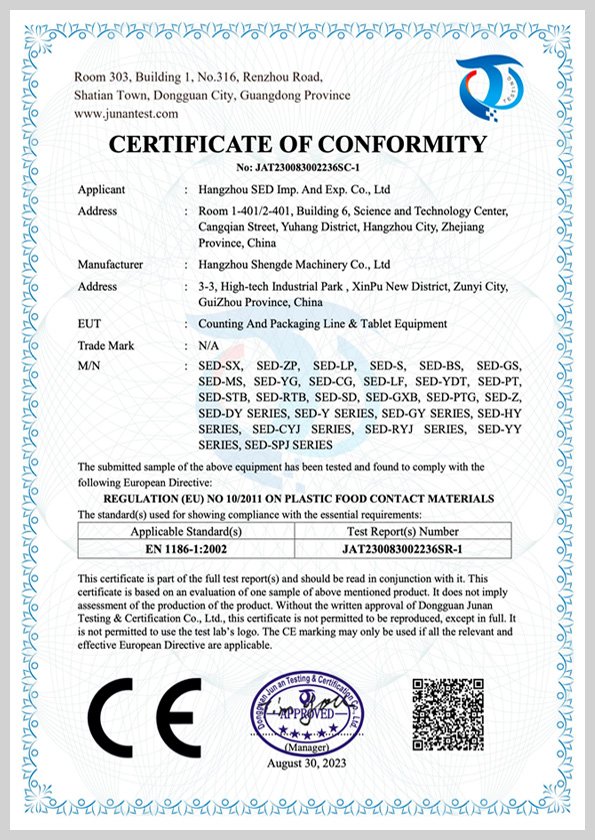
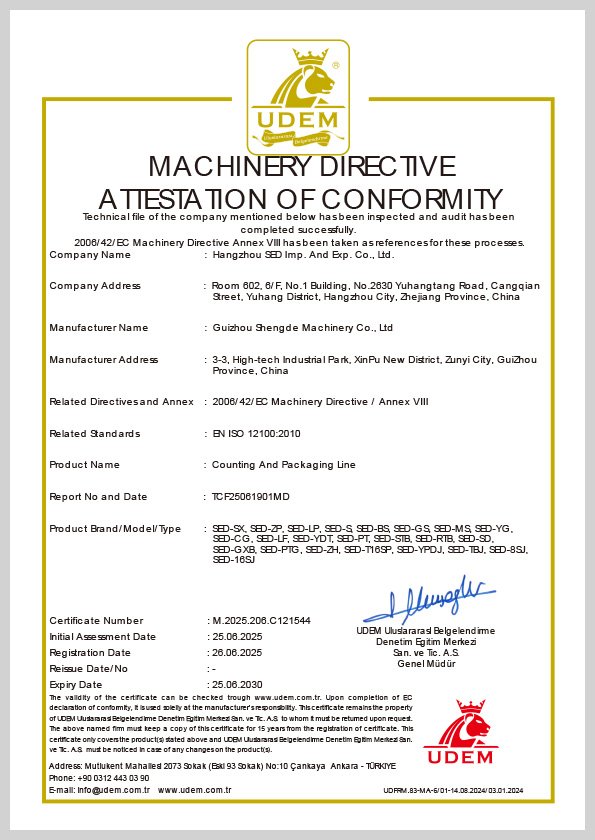
Certificates


Related Products
Contact Info
Call Us
+1(323)215-9729 (North/South America)
sales@innovalpharma.com
+1(213)258-7721
After Service
+1(909)230-8253 (North/South America)