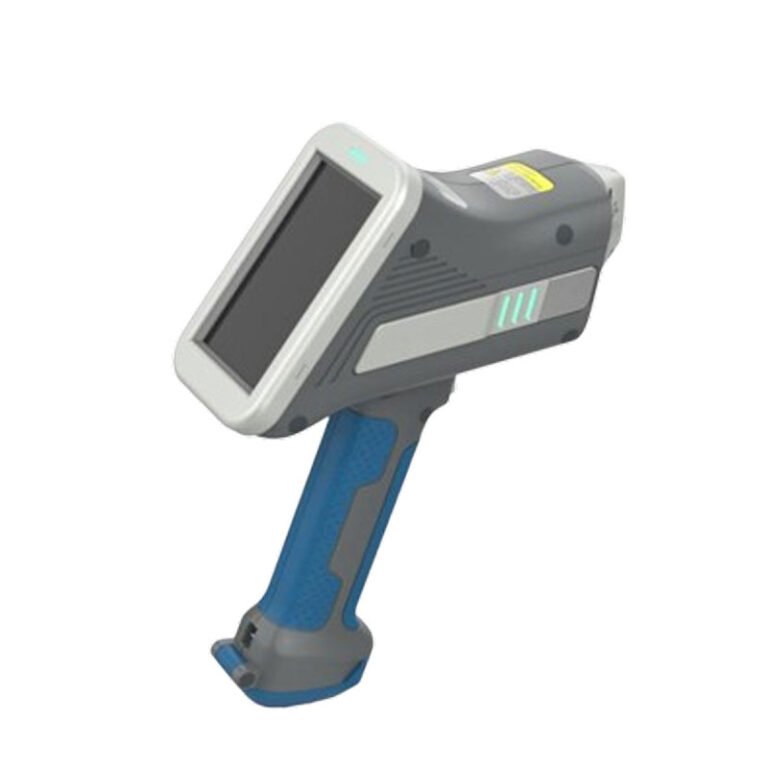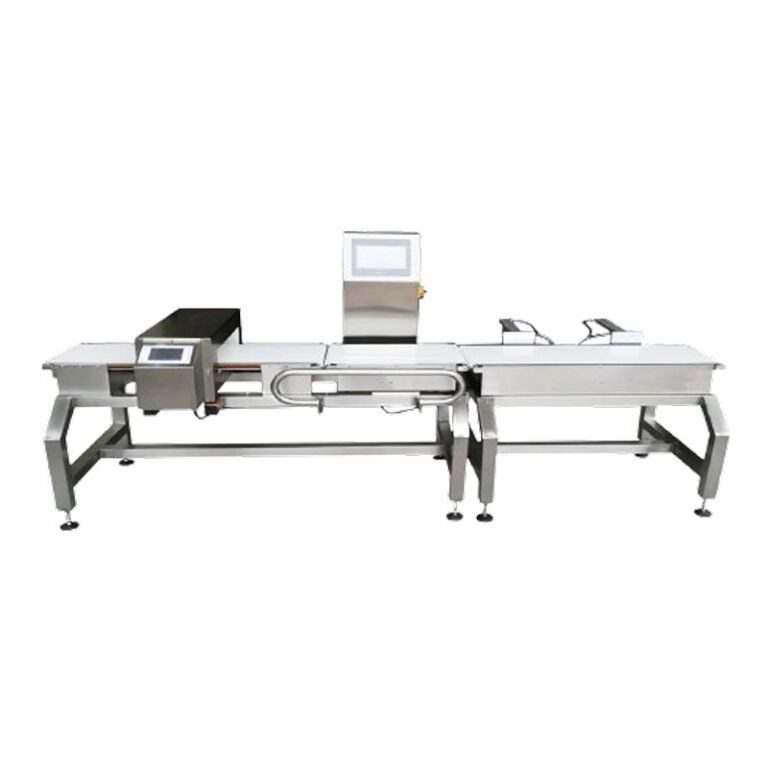


Metal Detector
Industrial metal detectors serve as indispensable safety safeguards within the pharmaceutical and food production sectors, designed to identify and eliminate metal contaminants that may have inadvertently entered the production process. Leveraging advanced multi-frequency technology and electromagnetic induction principles, these systems are capable of detecting minute ferromagnetic, non-ferromagnetic, and even difficult-to-identify stainless steel particles.
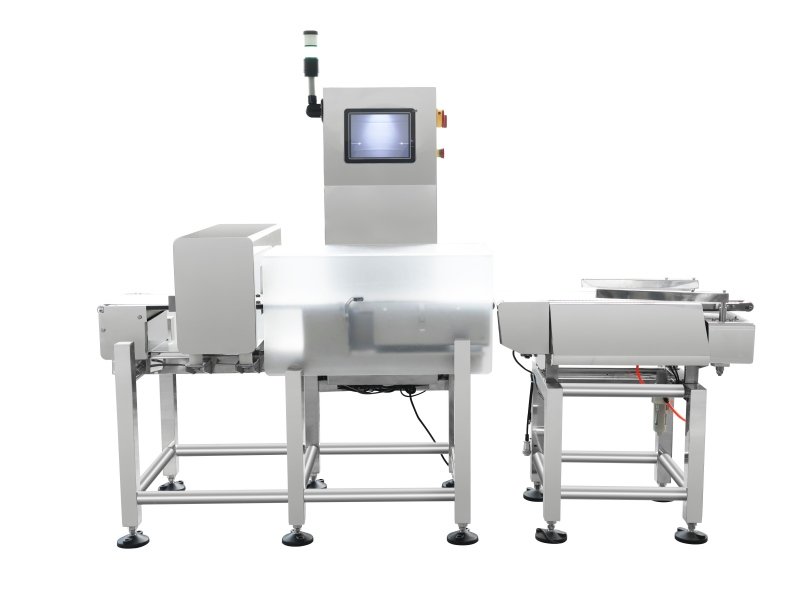
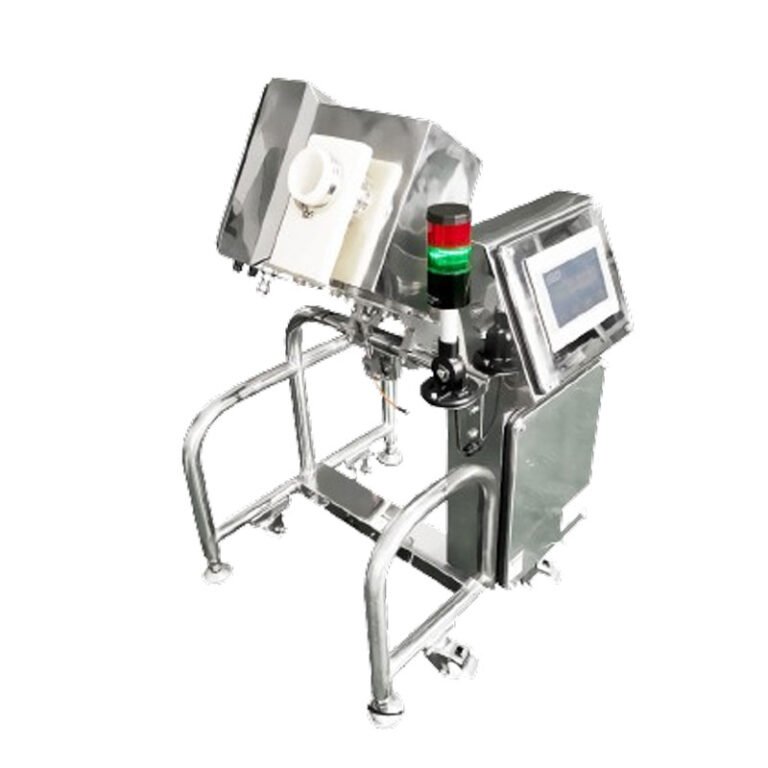
These metal detectors can be seamlessly integrated with gravity-flow, conveyor belt, or pipeline transport systems, thereby ensuring that 100% of the products undergo comprehensive inspection before reaching the hands of consumers.
Product Display
Benefits
Equipped with adjustable frequency capabilities, this system allows for precise fine-tuning to achieve maximum sensitivity in detecting a wide variety of contaminants. This feature significantly reduces false alarms, thereby substantially enhancing detection accuracy.
Unlike simple magnetic devices, this system is capable of identifying a broad spectrum of contaminants, including ferromagnetic metals, non-ferromagnetic metals, and stainless steel.
The equipment chassis is constructed from Grade 304 or 316L stainless steel and features an IP66 or IP69K ingress protection rating; its design facilitates thorough wash-down and cleaning procedures.
The system integrates a high-speed rejection mechanism capable of automatically removing contaminated products from the production line, eliminating the need for manual intervention or line stoppages.
The system automatically generates and stores digital logs of all detection events, test results, and user operational records. Through password protection and audit trail features, the system provides users with essential documentation and data support for regulatory compliance.
Equipped with adjustable frequency capabilities, this system allows for precise fine-tuning to achieve maximum sensitivity in detecting a wide variety of contaminants. This feature significantly reduces false alarms, thereby substantially enhancing detection accuracy.
Unlike simple magnetic devices, this system is capable of identifying a broad spectrum of contaminants, including ferromagnetic metals, non-ferromagnetic metals, and stainless steel.
The equipment chassis is constructed from Grade 304 or 316L stainless steel and features an IP66 or IP69K ingress protection rating; its design facilitates thorough wash-down and cleaning procedures.
The system integrates a high-speed rejection mechanism capable of automatically removing contaminated products from the production line, eliminating the need for manual intervention or line stoppages.
The system automatically generates and stores digital logs of all detection events, test results, and user operational records. Through password protection and audit trail features, the system provides users with essential documentation and data support for regulatory compliance.
Application
Specifically designed to inspect bulk tablets or capsules following the tableting or filling processes, identifying minute metal fragments that may have detached from punches or dies during manufacturing.
Utilized in gravity-fed configurations to inspect raw powders prior to mixing or tableting.
Deployed at the end of packaging lines to inspect finished products whether bagged, boxed, or tray-packed after packaging is complete.
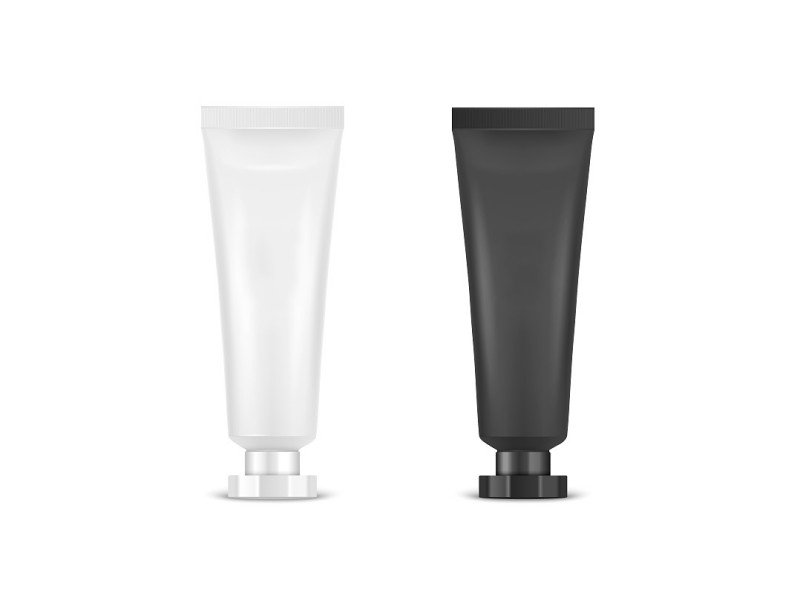
Integrated into conveyor lines to scan plastic bottles containing creams, lotions, or syrups.
Specifically engineered to inspect dietary supplements with chewy or viscous textures.
FAQ
Why is stainless steel the most difficult metal to detect?
Compared to iron, stainless steel is neither electrically conductive nor magnetic. This makes it difficult for standard electromagnetic fields to detect it; therefore, high-frequency settings are required to ensure reliable detection.
What is the "Product Effect" in metal detection?
The “Product Effect” occurs when the product itself influenced by factors such as moisture, salt content, or temperature generates its own electromagnetic signal, thereby interfering with the detector. Modern detection systems employ “phase tracking” technology to counteract this interference signal, allowing the detector to focus exclusively on identifying metallic foreign objects.
How often should a metal detector be tested?
To comply with relevant GMP and HACCP regulations, it is recommended to test the detection system at the beginning of every shift as well as at intervals of a few hours using certified test blocks covering ferrous, non-ferrous, and stainless steel materials.
Can the equipment detect metal through aluminum foil packaging?
Standard metal detectors cannot “penetrate” aluminum foil to perform detection. For products packaged in aluminum foil, either an X-ray inspection system or a specialized “ferrous-in-foil detector” is required.
Is the detection sensitivity adjustable?
Yes. The detection sensitivity can be adjusted based on specific product characteristics and the operating environment. Most detection systems are equipped with an “auto-learn” function, which takes just a few seconds to automatically configure the optimal detection sensitivity level for a new product.
Unlock Your Medicine Production Potential. Speak with an Innoval Pharma Expert to Tailor Your Solution.
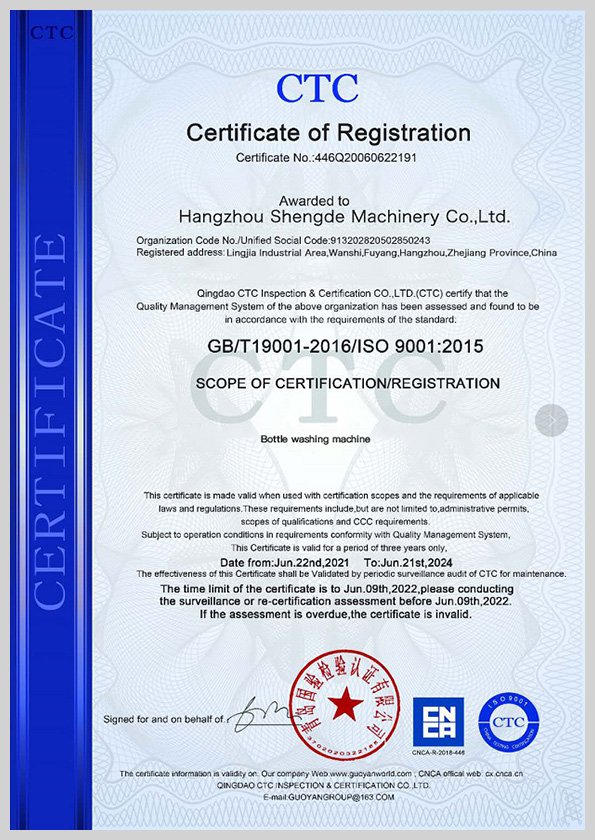
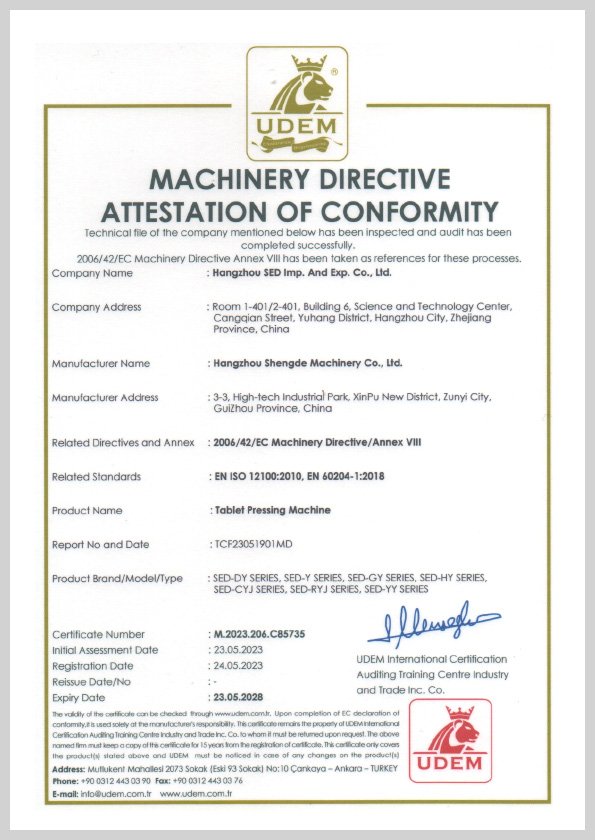
Certificates


Related Products
Contact Info
Call Us
+1(323)215-9729 (North/South America)
sales@innovalpharma.com
+1(213)258-7721
After Service
+1(909)230-8253 (North/South America)