Disintegration Tester
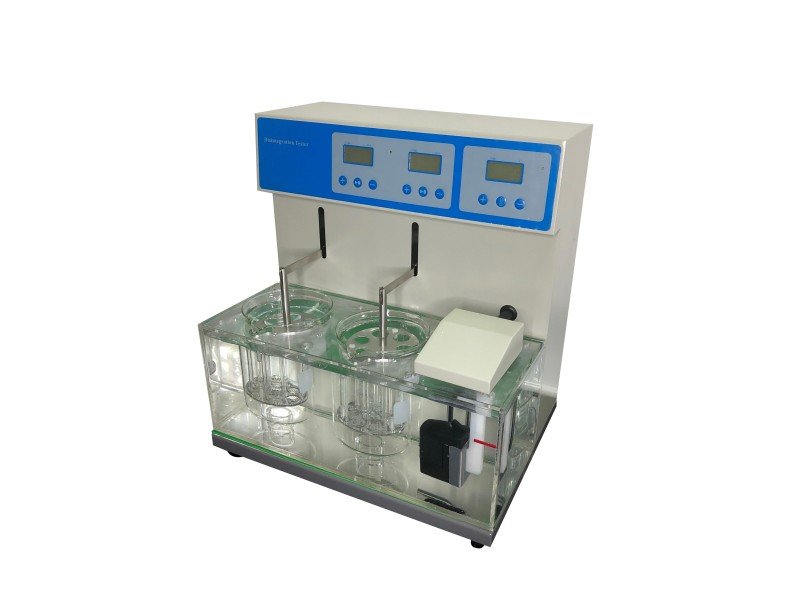
Disintegration testers are utilized to determine whether tablets, capsules, and other solid dosage forms can disintegrate into smaller particles within a specified timeframe under standardized conditions. Unlike dissolution testing—which measures the rate at which a drug is released into a medium—disintegration testing serves as a critical “pass/fail” quality control checkpoint, designed to ensure that a drug undergoes physical disintegration within the body, thereby facilitating subsequent drug absorption.
Product Display
Benefits
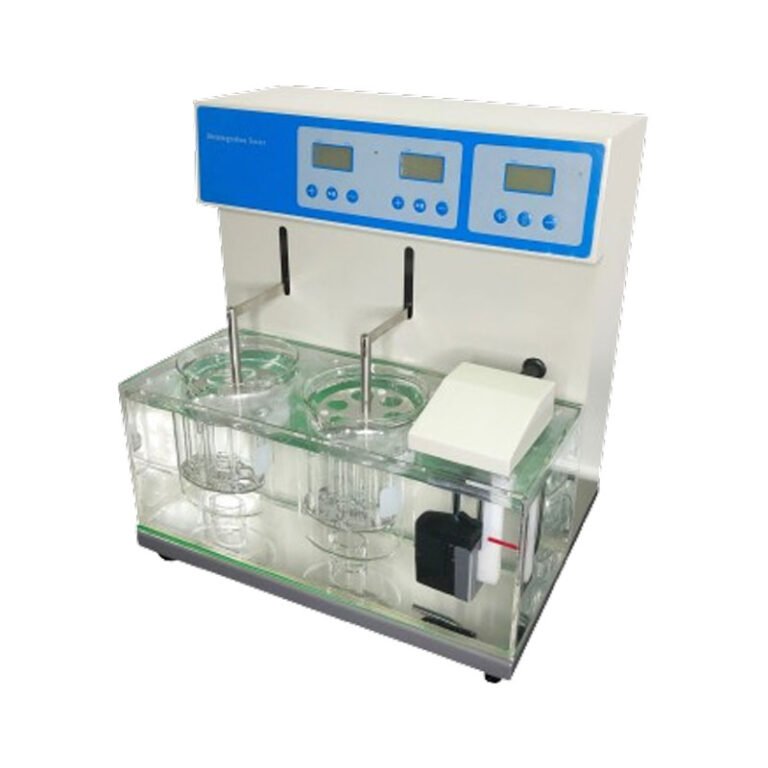
Modern testers are typically equipped with multiple stations, each capable of independent control. This allows laboratory technicians to conduct different tests simultaneously, or to individually start and stop specific baskets without interrupting the testing process for the entire batch.
Constructed from high-quality, chemical-resistant materials, the device features a transparent acrylic water bath. This design not only provides excellent internal visibility but also facilitates easy disassembly for routine cleaning and maintenance, thereby effectively preventing cross-contamination.
The system features an intuitive digital interface that enables precise timing; upon the completion of the test cycle, the baskets automatically rise. This design minimizes the potential for human error, ensuring that final observations are performed precisely at the moment the timer expires.
Modern testers are typically equipped with multiple stations, each capable of independent control. This allows laboratory technicians to conduct different tests simultaneously, or to individually start and stop specific baskets without interrupting the testing process for the entire batch.
Constructed from high-quality, chemical-resistant materials, the device features a transparent acrylic water bath. This design not only provides excellent internal visibility but also facilitates easy disassembly for routine cleaning and maintenance, thereby effectively preventing cross-contamination.
The system features an intuitive digital interface that enables precise timing; upon the completion of the test cycle, the baskets automatically rise. This design minimizes the potential for human error, ensuring that final observations are performed precisely at the moment the timer expires.
Application
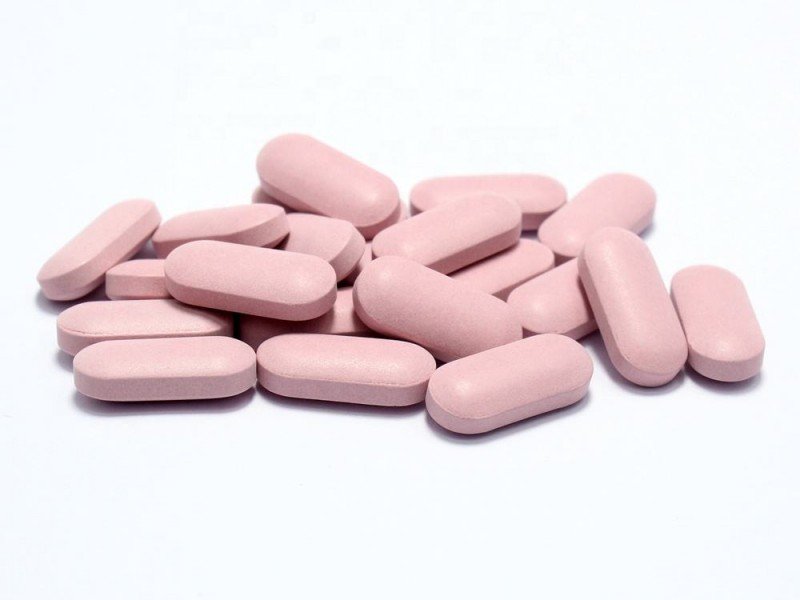
The most common application scenario, designed to ensure that standard oral tablets disintegrate within the prescribed timeframe of 15 to 30 minutes, thereby enabling drug bioavailability.
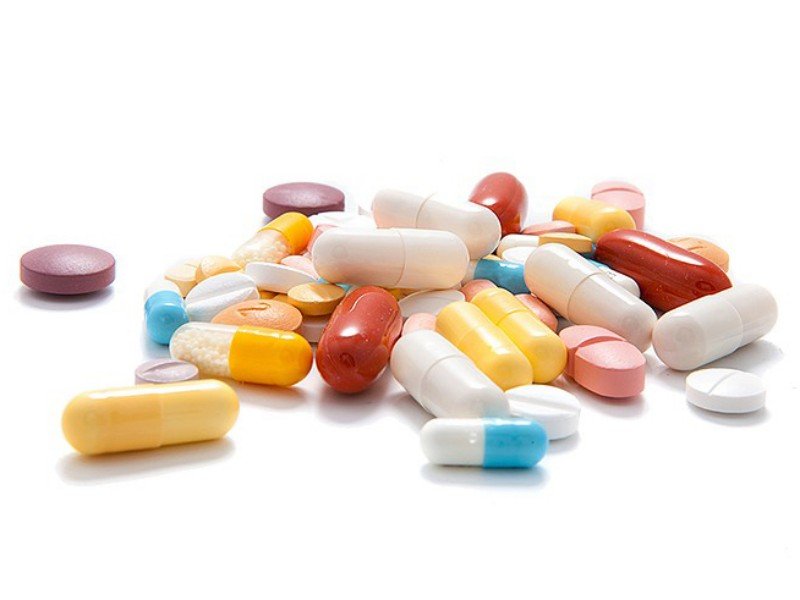
Used to verify whether the capsule shell dissolves or ruptures as intended. For floating capsules, a specialized "disk" accessory must be utilized within the test basket to ensure the sample remains constantly submerged in the dissolution medium, thereby yielding consistent and reliable test results.
Suitable for "two-stage" testing. The tester first verifies whether the tablet remains intact for a specific duration within an acidic (simulated gastric fluid) medium; subsequently, it is transferred to a buffered alkaline (simulated intestinal fluid) medium to assess its disintegration behavior.
Used to evaluate the rapid disintegration and gas-release process of effervescent formulations in water, ensuring that these "fast-acting" medications meet their required standards for rapid disintegration.
Specialized test baskets featuring larger mesh sizes can be selected to test oversized vitamin tablets or large-format veterinary pills, thereby ensuring that even large-sized pharmaceutical products comply with the relevant disintegration standards.
FAQ
What is the difference between disintegration and dissolution testing?
Disintegration testing measures the physical breakdown of a solid dosage form into smaller fragments, whereas dissolution testing measures the rate at which the active ingredient dissolves into a liquid medium.
Why are "discs" used in the disintegration basket?
Discs are placed on top of tablets or capsules to prevent them from floating and to provide a gentle abrasive force that simulates the movement of the gastrointestinal tract, ensuring more consistent and reproducible results.
Can the machine handle different types of media?
Yes. The glass beakers and baskets are made from chemically resistant materials, allowing you to use deionized water, simulated gastric fluid (HCl), or simulated intestinal fluid (phosphate buffers) as required by the pharmacopeia.
How many samples can be tested at once?
Standard disintegration testers usually come in 1, 2, 3, or 6-station configurations. Each station typically holds a basket with 6 tubes, meaning a 3-station machine can test 18 samples simultaneously.
Is it necessary to calibrate the temperature frequently?
Yes. To maintain GMP compliance, the temperature of the water bath and the internal beaker medium should be calibrated regularly using a certified thermometer to ensure it remains within the 0.5°C tolerance.
Unlock Your Medicine Production Potential. Speak with an Innoval Pharma Expert to Tailor Your Solution.
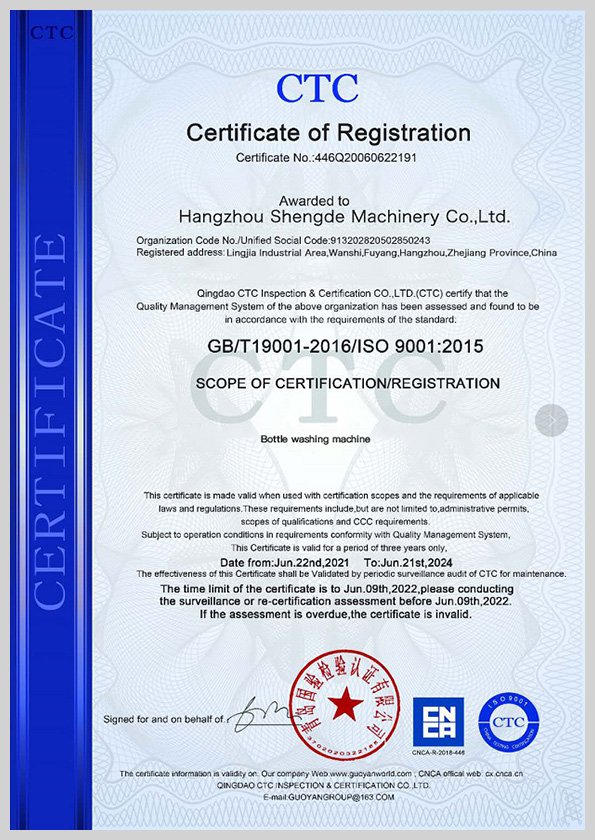
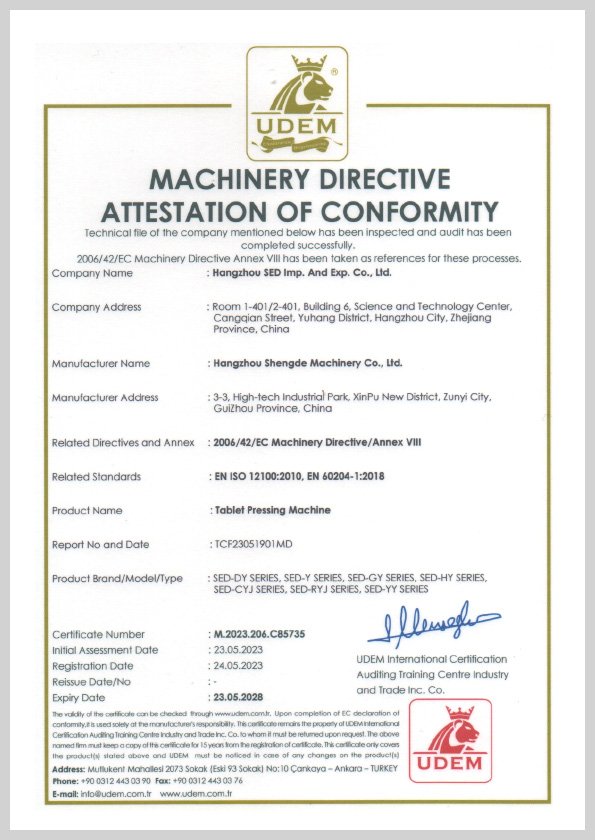
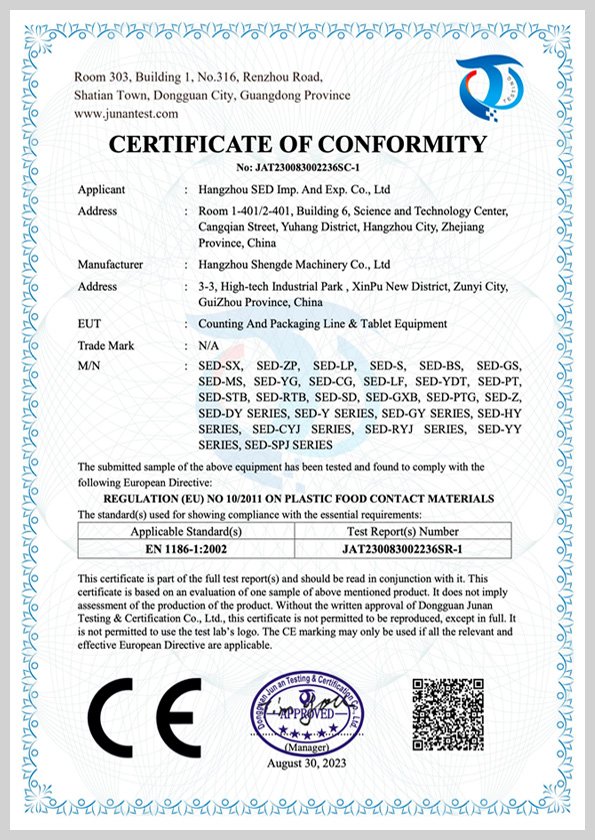
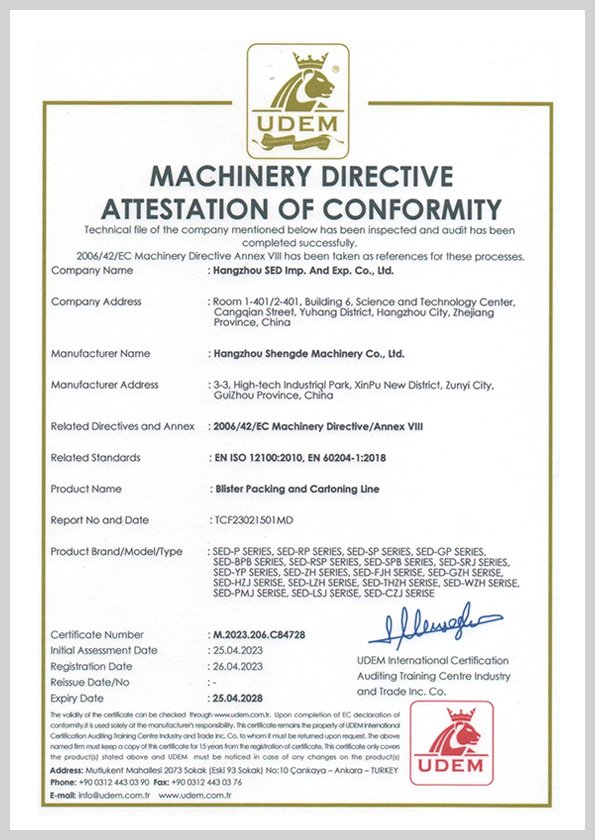
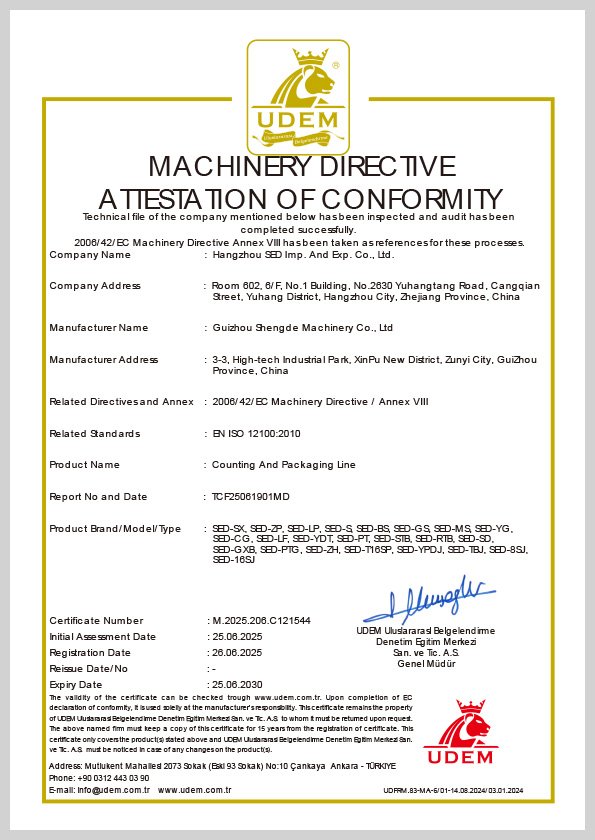
Certificates


Related Products
Contact Info
Call Us
+1(323)215-9729 (North/South America)
sales@innovalpharma.com
+1(213)258-7721
After Service
+1(909)230-8253 (North/South America)