

Granulation Machine
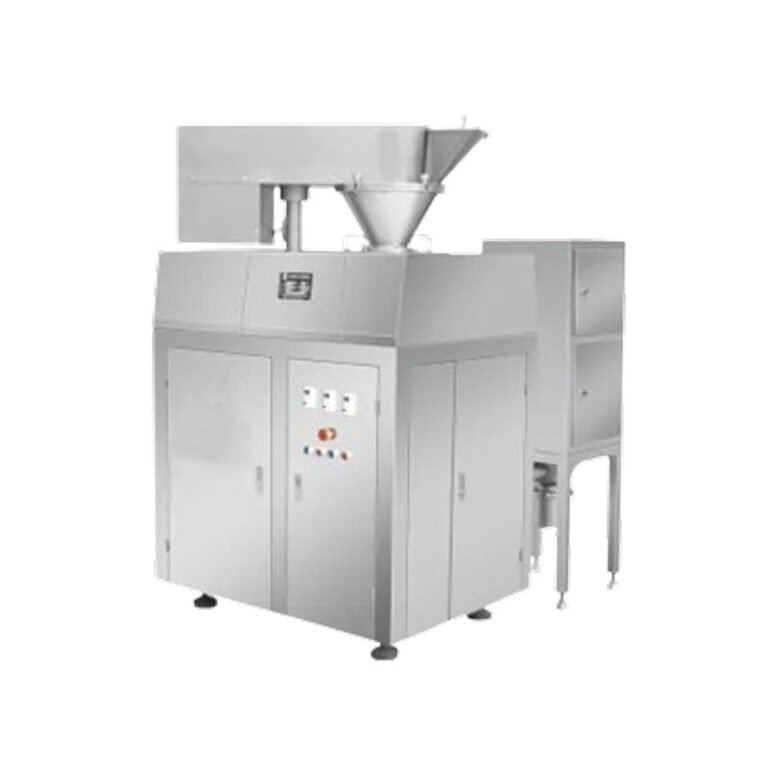
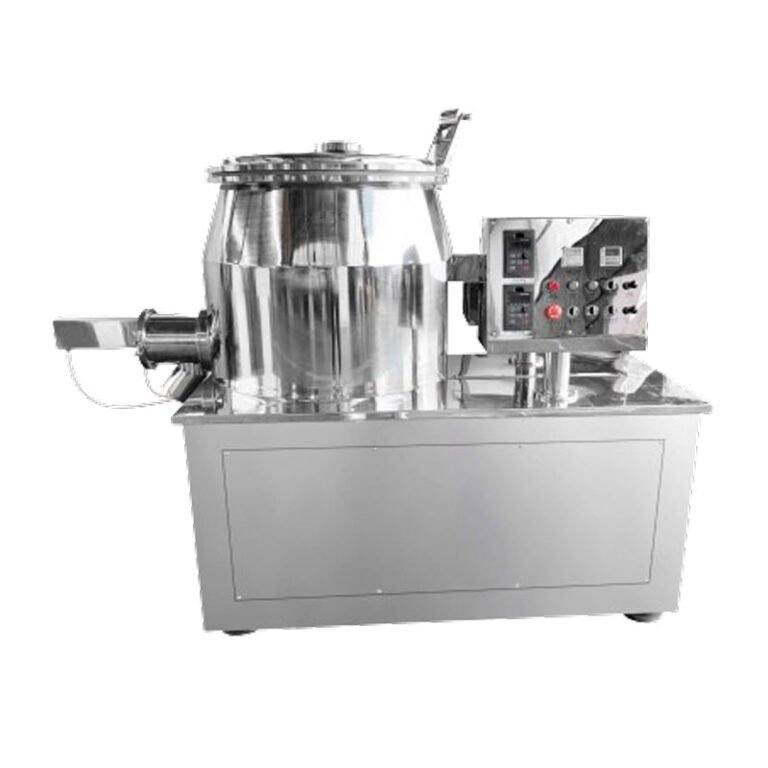
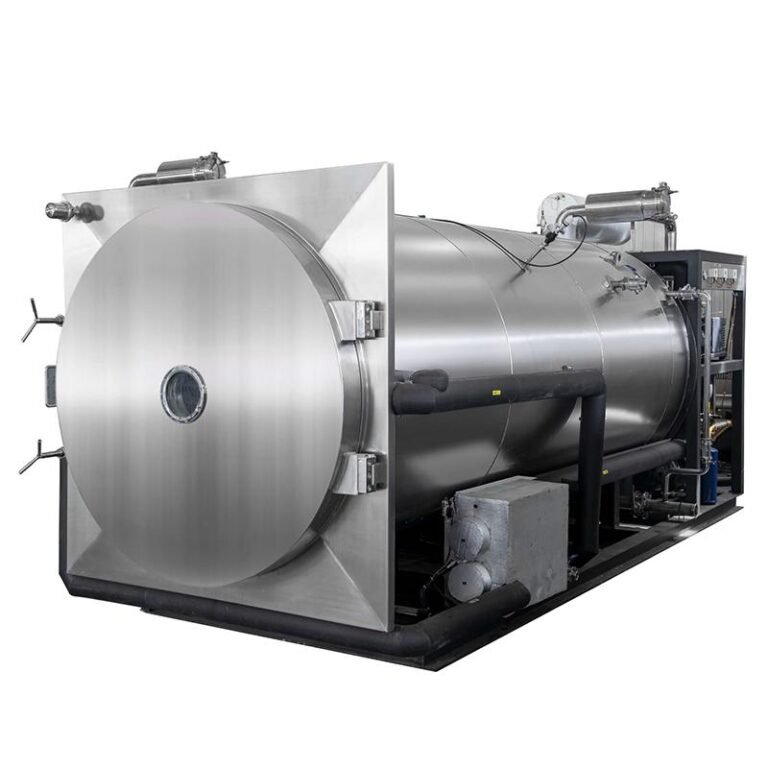
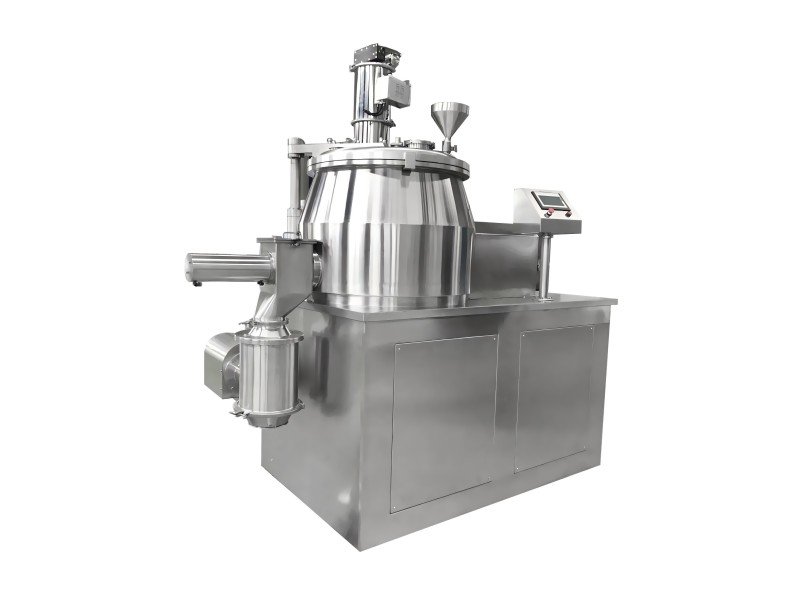
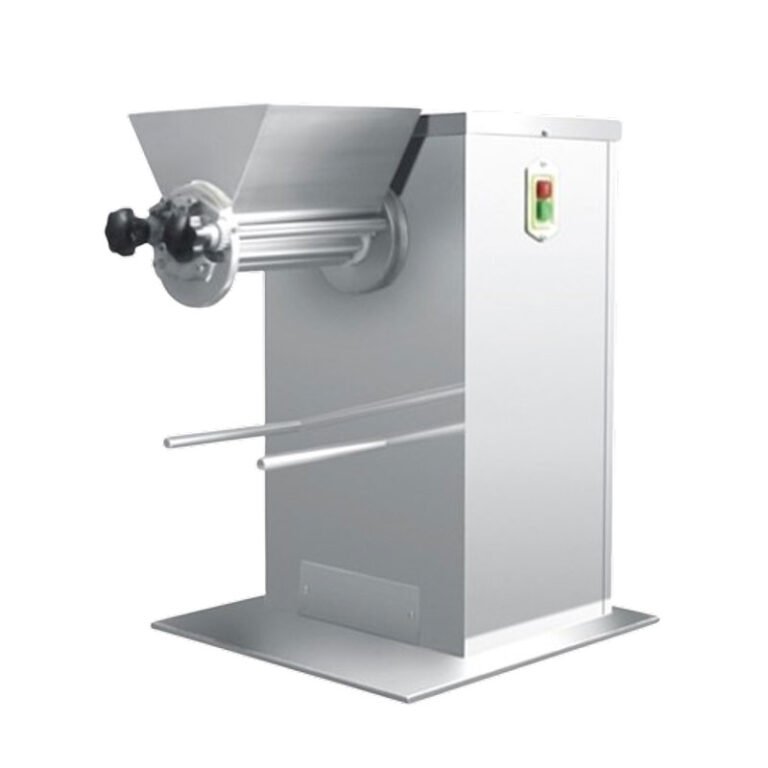
We offer a comprehensive suite of Granulating Machines designed to transform fine, low-density powders into uniform, free-flowing granules. Whether your process requires the high-speed mechanical bonding of High-Shear Granulation, the gentle drying and agglomeration of Fluid Bed Systems, or the moisture-free precision of Roller Compaction, our equipment ensures optimal particle size distribution.
Our granulators are engineered to solve common production challenges such as material segregation, poor flowability, and dust contamination. By achieving perfect homogeneity and density, our equipment prepares your product for seamless high-speed tableting or encapsulation, ensuring every dose meets strict pharmaceutical standards for weight and potency.
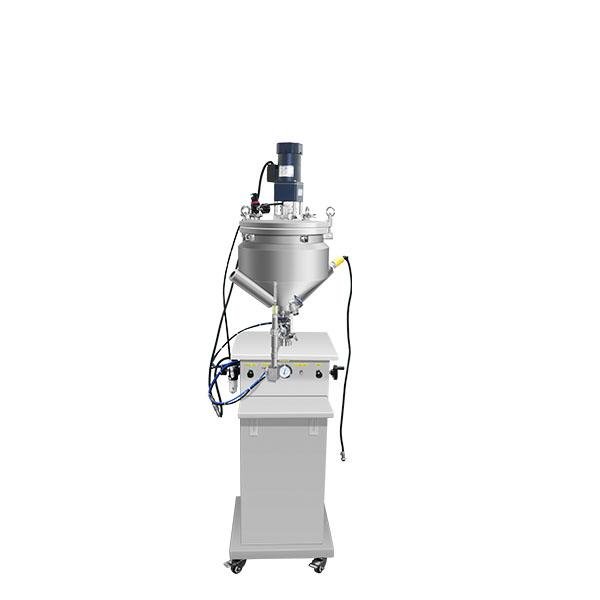
Product Display
Benefits
By converting fine, "clumpy" powders into uniform granules, our machines eliminate flow-related bottlenecks in tablet presses and capsule fillers.
Granulation "locks" the API and excipients together into a single particle, ensuring that the active ingredient doesn't settle or separate during transport or processing.
Our systems improve the compressibility of materials, significantly reducing common defects like "capping," "lamination," or "picking" during the compression stage.
Enclosed processing environments minimize airborne particles, protecting operators from potent compounds and reducing the risk of cross-contamination within the facility.
Precise control over granulation parameters allows for the standardization of material volume, which is critical for achieving accurate and repeatable dosage weights.
By converting fine, "clumpy" powders into uniform granules, our machines eliminate flow-related bottlenecks in tablet presses and capsule fillers.
Granulation "locks" the API and excipients together into a single particle, ensuring that the active ingredient doesn't settle or separate during transport or processing.
Our systems improve the compressibility of materials, significantly reducing common defects like "capping," "lamination," or "picking" during the compression stage.
Enclosed processing environments minimize airborne particles, protecting operators from potent compounds and reducing the risk of cross-contamination within the facility.
Precise control over granulation parameters allows for the standardization of material volume, which is critical for achieving accurate and repeatable dosage weights.
Application
Preparing granules for consistent dissolution profiles.
Creating free-flowing pellets or granules for high-speed filling.
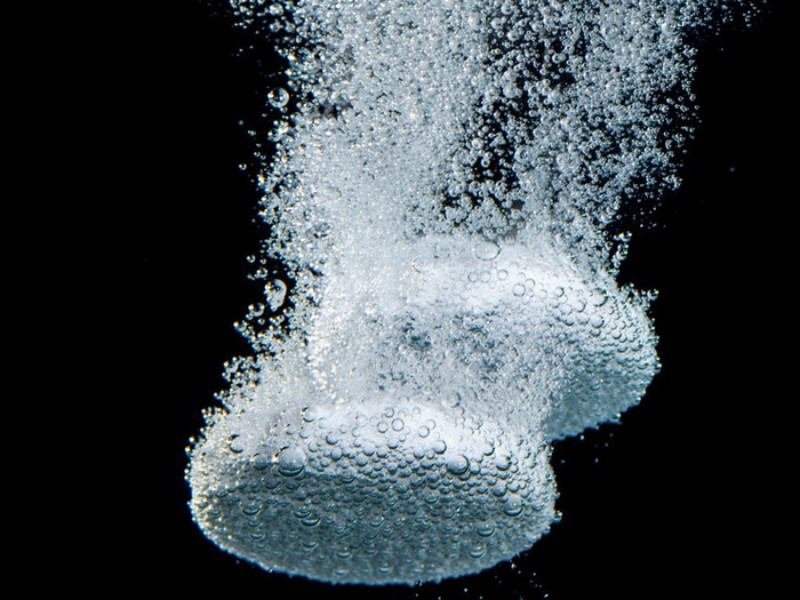
Specialized moisture-controlled processing for fast-dissolving products.
Processing herbal extracts and vitamins into stable dosage forms.
Improving the "wettability" and solubility of drink mixes and food additives.
FAQ
What is the main difference between Wet Granulation and Dry Granulation?
Wet Granulation uses a liquid binder to “glue” particles together, followed by a drying phase; it is the gold standard for achieving high density and uniformity. Dry Granulation (Roller Compaction) uses mechanical pressure to compress powder into ribbons which are then milled. It is the preferred choice for heat-sensitive or moisture-sensitive APIs.
How do I control the final size of the granules?
Particle size is controlled by several variables depending on the machine type. In High-Shear Granulators, it is managed by impeller speed and binder addition time. In Dry Granulators, it is controlled by roller pressure and the mesh size of the integrated mill. Fluid bed systems rely on nozzle spray rates and air temperature.
Which granulation method is best for moisture-sensitive APIs?
Dry Granulation (Roller Compaction) is the industry standard for moisture or heat-sensitive ingredients. Because it uses mechanical pressure to form granules rather than liquid binders and heat drying, it preserves the chemical stability of the API while still achieving the necessary density and flow.
How do you achieve a specific "Target Particle Size" during a run?
Particle size is a result of several variables. In wet granulation, it is primarily controlled by the impeller speed and the amount of binder liquid used. In dry granulation, it is dictated by the roll pressure and the mesh size of the integrated milling system. We provide adjustable parameters on all units to allow for fine-tuning based on your specific recipe.
What are the common signs of "Over-Granulation," and how can it be prevented?
Over-granulation usually results in granules that are too hard or “glassy,” leading to poor tablet disintegration. This is often caused by excessive binder liquid or mixing for too long. Our systems use torque-sensing technology and automated endpoints; the machine monitors the motor’s power consumption as the granules grow and automatically stops the process once the optimal consistency is reached.
Unlock Your Medicine Production Potential. Speak with an Innoval Pharma Expert to Tailor Your Solution.
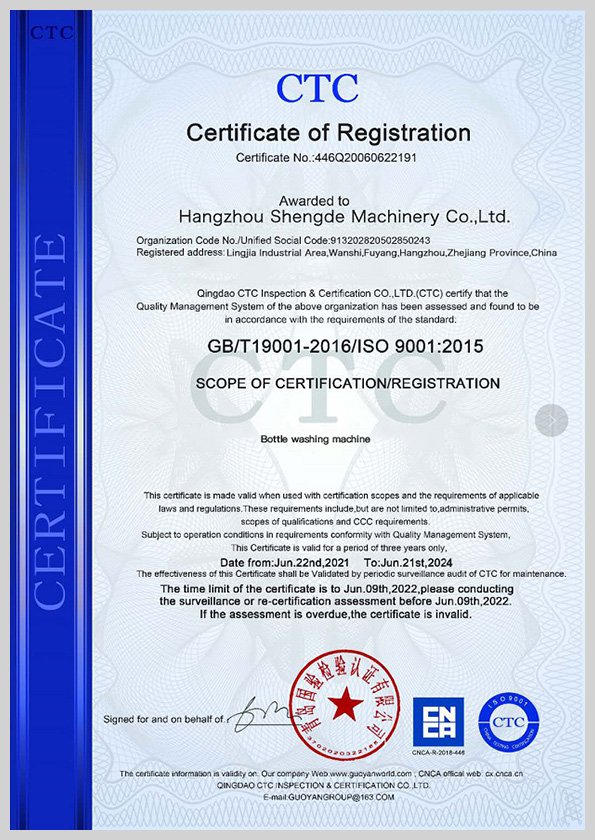
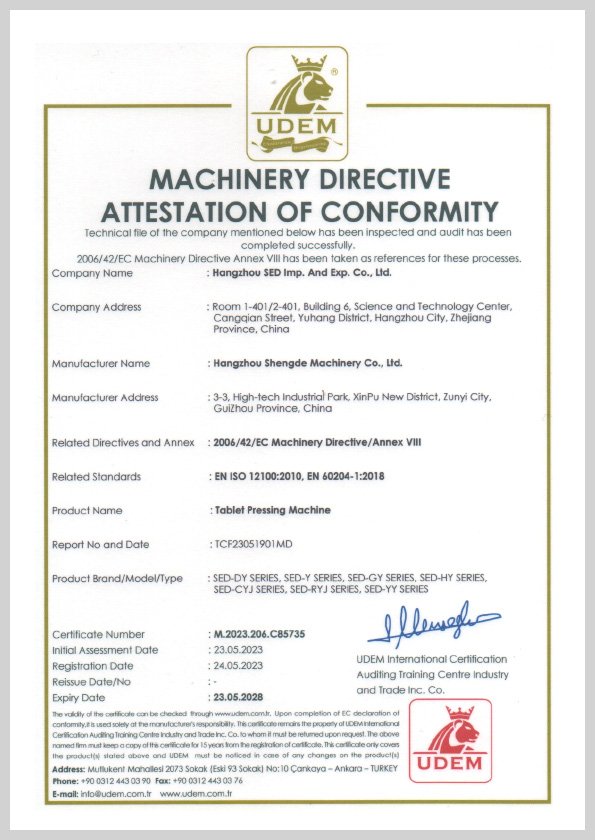
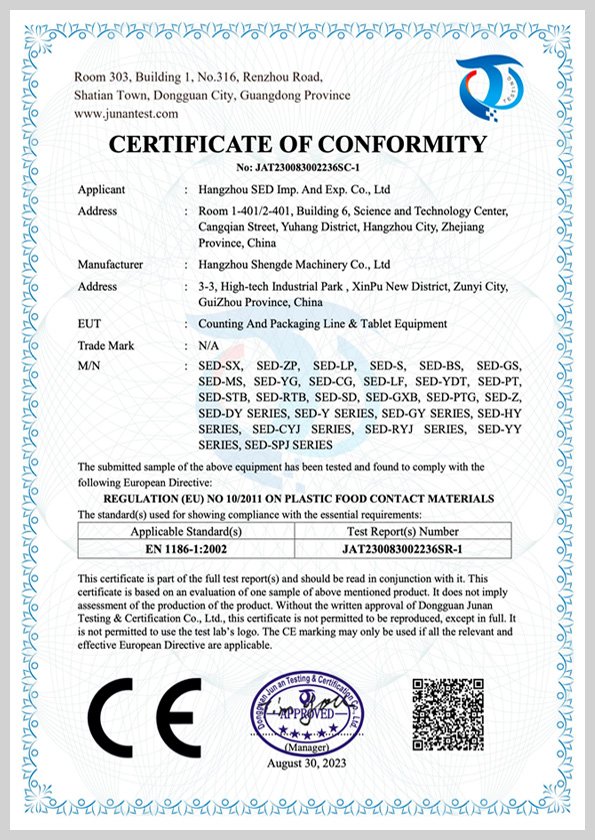
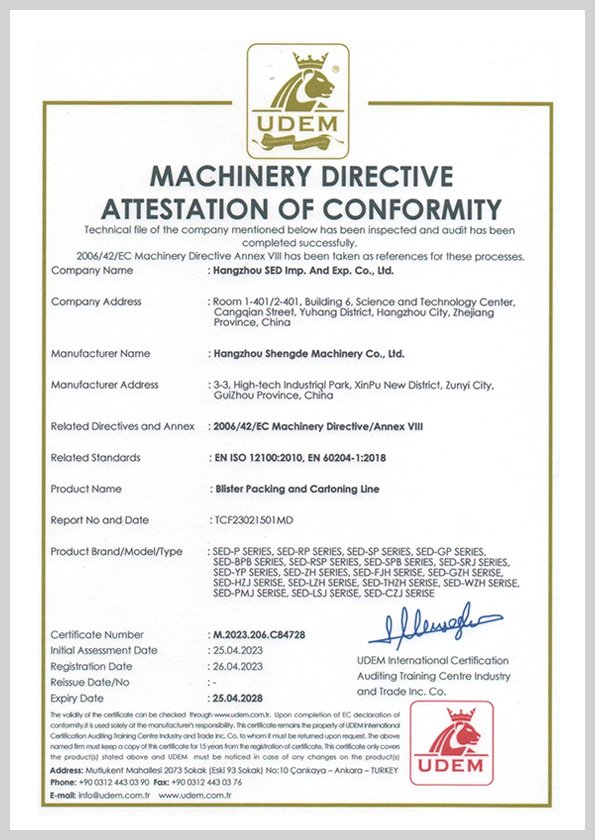
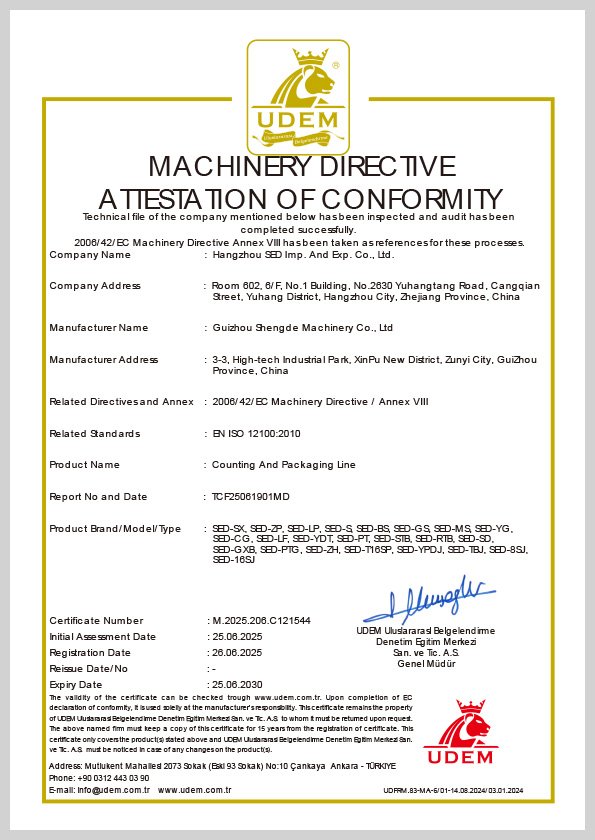
Certificates


Related Products
Contact Info
Call Us
+1(323)215-9729 (North/South America)
sales@innovalpharma.com
+1(213)258-7721
After Service
+1(909)230-8253 (North/South America)