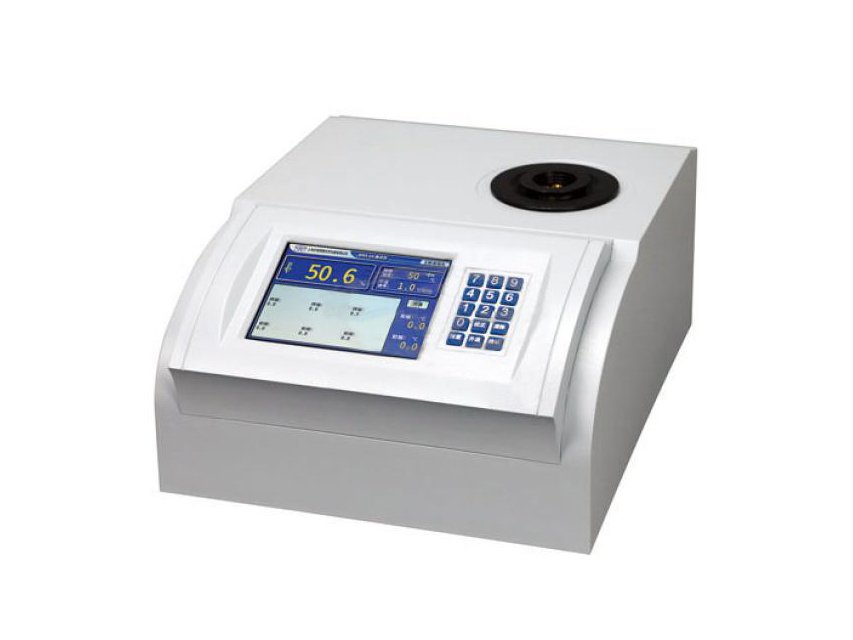



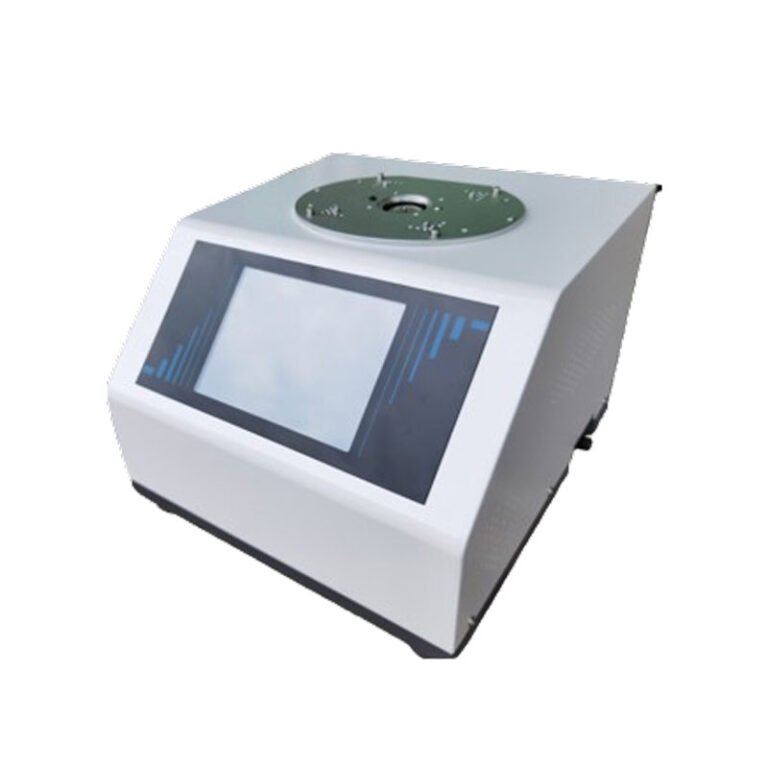
Melting Point Apparatus
A melting point apparatus is a fundamental laboratory instrument used to determine the thermal properties and purity of crystalline solid substances. By precisely controlling the heating rate of a sample and accurately measuring the temperature at which it undergoes a solid-to-liquid phase transition, such instruments provide an unequivocal “fingerprint” characteristic for the identification of chemical substances.
In fields such as pharmaceutical R&D, quality control, and chemical engineering, they serve as indispensable tools for verifying the integrity of raw materials and ensuring batch-to-batch consistency in final products.
Product Display
Benefits
Equipped with an integrated camera and digital image processing technology, the system automatically detects the onset (initial melting point) and completion (final melting point) of the melting process. This completely eliminates the subjectivity inherent in manual visual observation, thereby ensuring highly reproducible results.
Leveraging microprocessor-controlled heating elements, the instrument achieves linear heating rates as low as 0.1 C per minute. This high-precision temperature control capability is critical for accurately determining the melting range of complex or sensitive organic compounds.
High-end models support the simultaneous analysis of up to 3 or 4 capillary tubes. This significantly boosts laboratory throughput and enables the simultaneous comparative analysis of test samples against known standards.
The system automatically records detailed data throughout the entire melting process, including real-time temperature profiles and video footage. This data is essential for establishing audit trails and helps ensure compliance with 21 CFR Part 11 regulations regarding digital record-keeping in regulated environments.
Featuring a broad operating temperature range and a high-speed cooling fan, the instrument resets rapidly between tests, thereby minimizing downtime and waiting periods during high-volume sample analysis.
Equipped with an integrated camera and digital image processing technology, the system automatically detects the onset (initial melting point) and completion (final melting point) of the melting process. This completely eliminates the subjectivity inherent in manual visual observation, thereby ensuring highly reproducible results.
Leveraging microprocessor-controlled heating elements, the instrument achieves linear heating rates as low as 0.1 C per minute. This high-precision temperature control capability is critical for accurately determining the melting range of complex or sensitive organic compounds.
High-end models support the simultaneous analysis of up to 3 or 4 capillary tubes. This significantly boosts laboratory throughput and enables the simultaneous comparative analysis of test samples against known standards.
The system automatically records detailed data throughout the entire melting process, including real-time temperature profiles and video footage. This data is essential for establishing audit trails and helps ensure compliance with 21 CFR Part 11 regulations regarding digital record-keeping in regulated environments.
Featuring a broad operating temperature range and a high-speed cooling fan, the instrument resets rapidly between tests, thereby minimizing downtime and waiting periods during high-volume sample analysis.
Application
Serves as a primary identification method to confirm the identity and purity of raw API powders before they enter the formulation and manufacturing stages.
Crucial for R&D chemists, used to verify the successful completion of synthetic reactions.
Applied to characterize the thermal properties of specific polymers, resins, and waxes materials frequently utilized in pharmaceutical coatings or cosmetic base formulations.
Used to screen incoming excipients such as binders and lubricants to ensure they meet the physical specifications required for tablet compression processes.
Applied in forensic laboratories to identify unknown solid substances; also utilized in the field of materials science to investigate the thermal stability of novel crystal structures.
FAQ
Why is a slow heating rate crucial during melting point determination?
A slow heating rate ensures that the temperature of the heating block remains in perfect thermal equilibrium with the sample inside the capillary tube, thereby preventing inaccurate or “lagging” temperature readings.
What is the difference between the "Onset" and the "Clear Point"?
The “Onset” refers to the temperature at which the first signs of a liquid phase appear within the sample, whereas the “Clear Point” refers to the temperature at which the entire sample has completely transformed into a clear liquid. The temperature range between these two points constitutes the “Melting Range.”
Can this instrument analyze dark or colored samples?
Yes. Modern automated systems utilize advanced optical sensors and adjustable backlighting technology to accurately detect phase transitions, even when analyzing opaque or deeply colored samples.
How should samples be prepared to ensure the most accurate results?
Samples should be ground into a fine powder and thoroughly dried. Subsequently, the sample must be tightly packed into a capillary tube to a height of approximately 3 millimeters to ensure uniform heat transfer throughout the entire sample volume.
How do I calibrate the melting point apparatus?
Calibration is typically performed using “Certified Reference Materials” substances with highly stable and precisely known melting points, such as caffeine or vanillin. By adjusting the instrument’s readings to match these certified reference values, the instrument’s high measurement accuracy is consistently maintained.
Unlock Your Medicine Production Potential. Speak with an Innoval Pharma Expert to Tailor Your Solution.
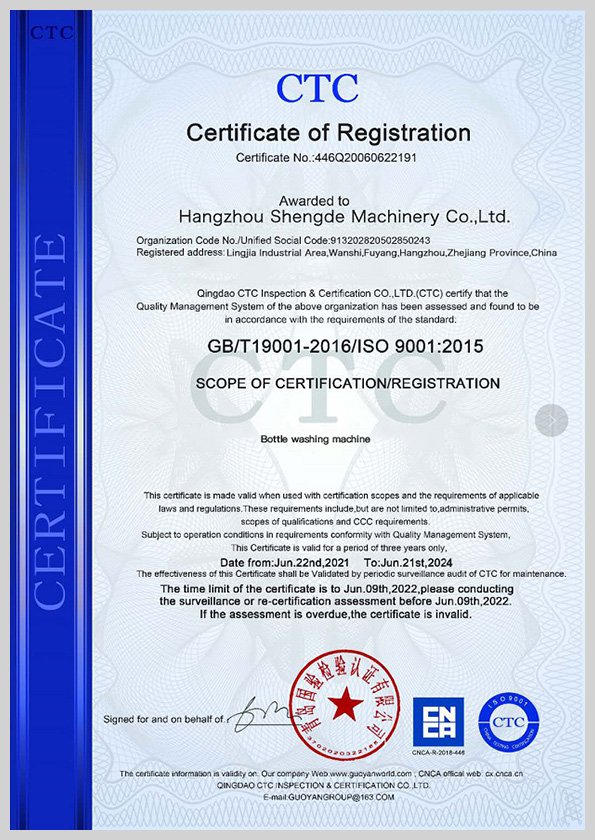
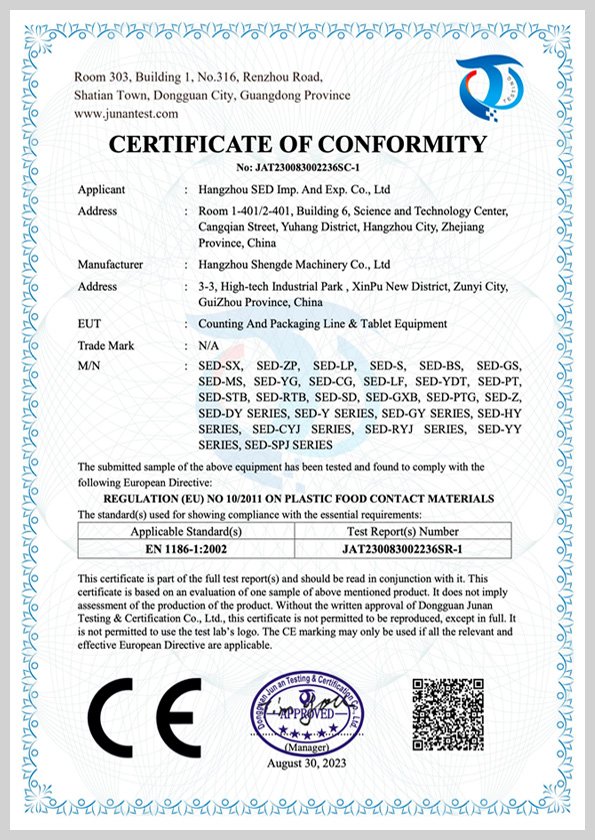
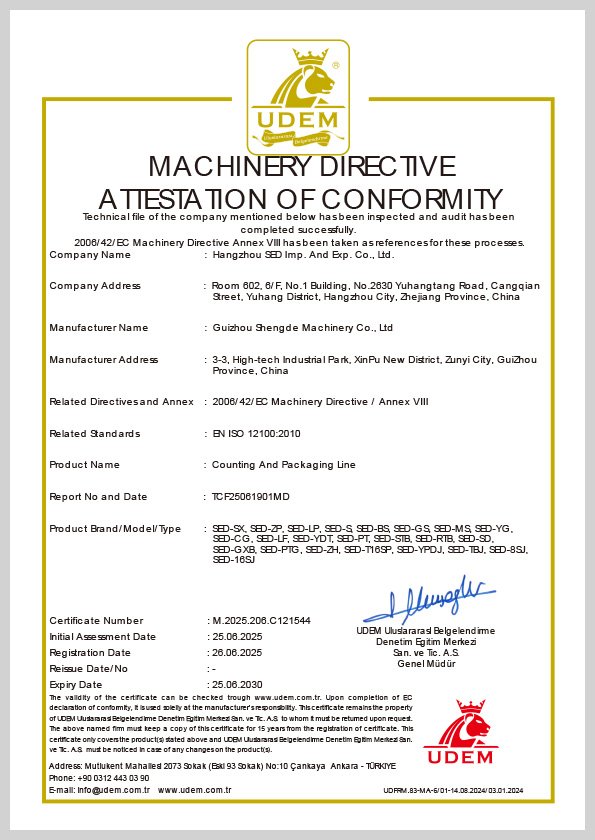
Certificates


Related Products
Contact Info
Call Us
+1(323)215-9729 (North/South America)
sales@innovalpharma.com
+1(213)258-7721
After Service
+1(909)230-8253 (North/South America)