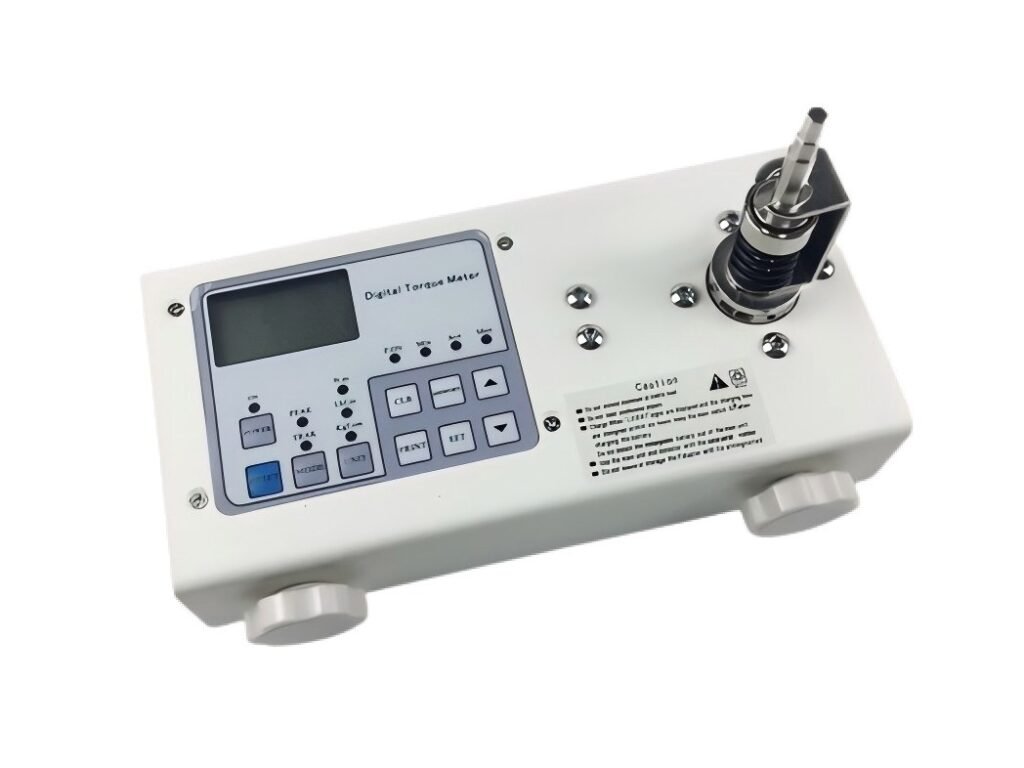

Torsion Tester
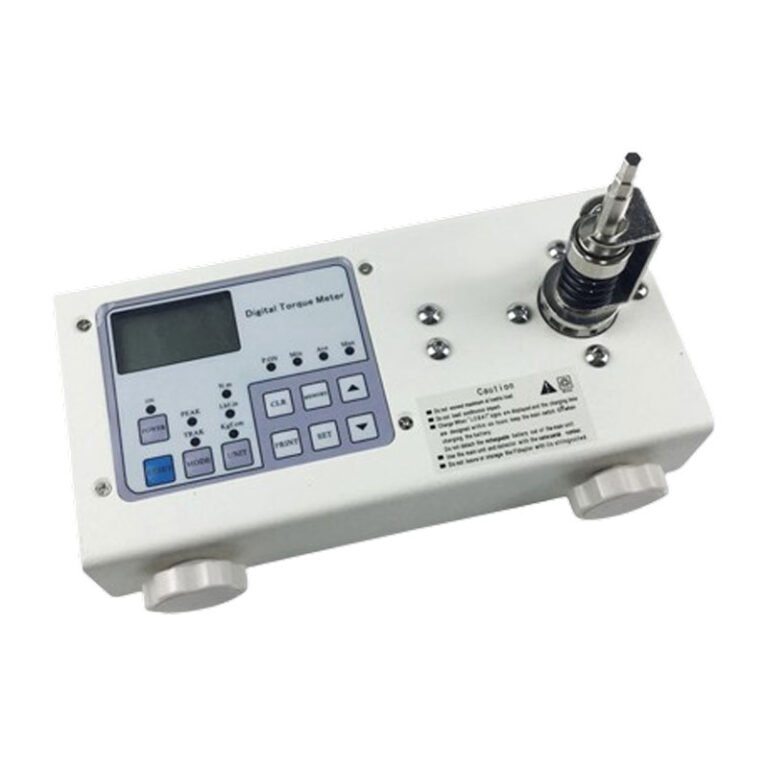
Torque testers are critical quality control instruments specifically designed to measure the opening and closing forces of threaded bottle caps and closures. In the pharmaceutical and cosmetics manufacturing sectors, maintaining appropriate torque is paramount; it ensures a perfect seal to safeguard product integrity while simultaneously guaranteeing that end consumers can open and use the product with ease.
By providing quantitative data on seal tightness, these testers assist manufacturers in preventing common defects—such as leaks, evaporation, or issues stemming from “over-tightening,” which can lead to cap breakage or difficulties for the consumer during use.
Product Display
Benefits
Equipped with a high-resolution force sensor, the device delivers precise readings, accurately measuring the force required to open a seal.
The system is meticulously designed to measure both opening torque and closing (tightening) torque.
An integrated digital processor automatically captures and displays the "peak" value attained during the test cycle, ensuring that the maximum force reached during every opening operation is accurately recorded.
The tester features adjustable heavy-duty clamping posts or specialized chucks, capable of securely gripping containers of various shapes and sizes.
The system automatically generates statistical reports and establishes audit trails that comply with pharmaceutical industry regulations.
Equipped with a high-resolution force sensor, the device delivers precise readings, accurately measuring the force required to open a seal.
The system is meticulously designed to measure both opening torque and closing (tightening) torque.
An integrated digital processor automatically captures and displays the "peak" value attained during the test cycle, ensuring that the maximum force reached during every opening operation is accurately recorded.
The tester features adjustable heavy-duty clamping posts or specialized chucks, capable of securely gripping containers of various shapes and sizes.
The system automatically generates statistical reports and establishes audit trails that comply with pharmaceutical industry regulations.
Application
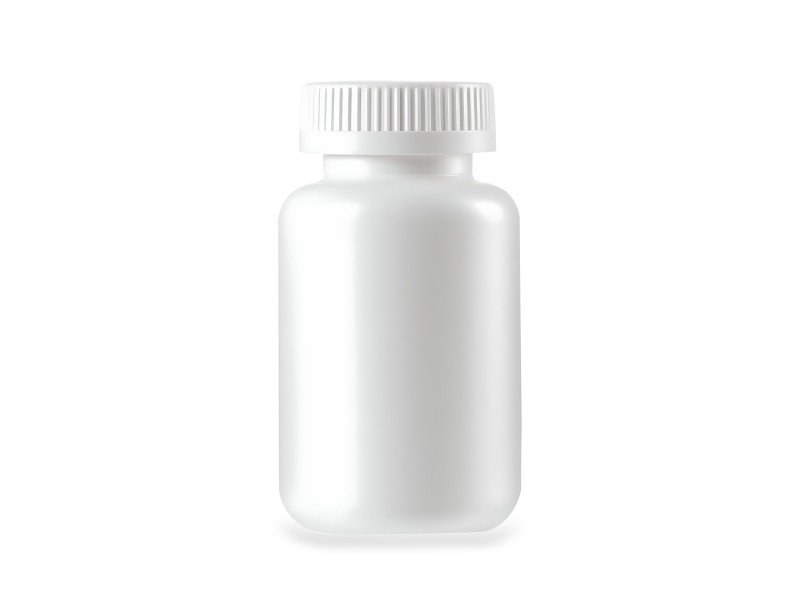
A critical application for verifying the safety of pharmaceutical bottles. This tester ensures that "push-and-turn" closures meet specific torque requirements—effectively preventing access by children while remaining convenient for adult users.
Used to monitor the seal integrity of liquid medications, such as syrups and suspensions. Appropriate torque levels prevent leakage during transport and protect the medication from oxidation or microbial contamination.
Used to test the assembly tightness of spray pumps and lotion dispensers. This ensures that all components are securely attached to the bottle body, preventing air ingress that could lead to the spoilage of sensitive skincare formulations.
Used to measure the "bridge-breaking" force of tamper-evident rings (security bands) found on beverage or pharmaceutical bottles. This tester verifies that the security ring fractures cleanly and at the appropriate force level.
Ideal for testing the torque of small-diameter closures—such as those found on eye drops, essential oils, or topical ointments. Given the limited contact surface area of these caps, such testing demands extremely high precision.
FAQ
What are the standard units of measurement for torque?
The most commonly used units include Newton-meters (N·m), Newton-centimeters (N·cm), pound-inches (lb·in), and kilogram-centimeters (kg·cm). Most digital testers feature an instant unit conversion function.
Why does the torque value of a capped bottle change over time?
This phenomenon is known as “Torque Decay.” Because plastic components undergo stress relaxation after being subjected to pressure, the opening torque measured 24 hours later is often lower than the initial closing torque. In stability studies, testers are typically used to monitor this change in torque.
Is this tester suitable for square or non-circular bottles?
Yes. The tester is equipped with a universal gripping system featuring adjustable positioning pins. These pins can be moved to adapt to the specific contours of the bottle’s base—whether square, rectangular, or triangular—thereby ensuring the bottle remains centered and stable throughout the testing process.
How is the bottle prevented from rotating during testing?
The tester utilizes high-friction, rubber-coated positioning posts or specialized fixtures to secure the container. For applications involving extremely high torque, custom-molded positioning slots can also be employed to anchor the bottle body, ensuring it remains completely motionless during testing.
How often should a torque tester be calibrated?
To ensure compliance with GMP and ISO regulations, it is recommended that the system be verified daily using a “standard weight set” or a “standard torque bottle.” Additionally, a comprehensive calibration should be performed by a qualified professional every 6 to 12 months.
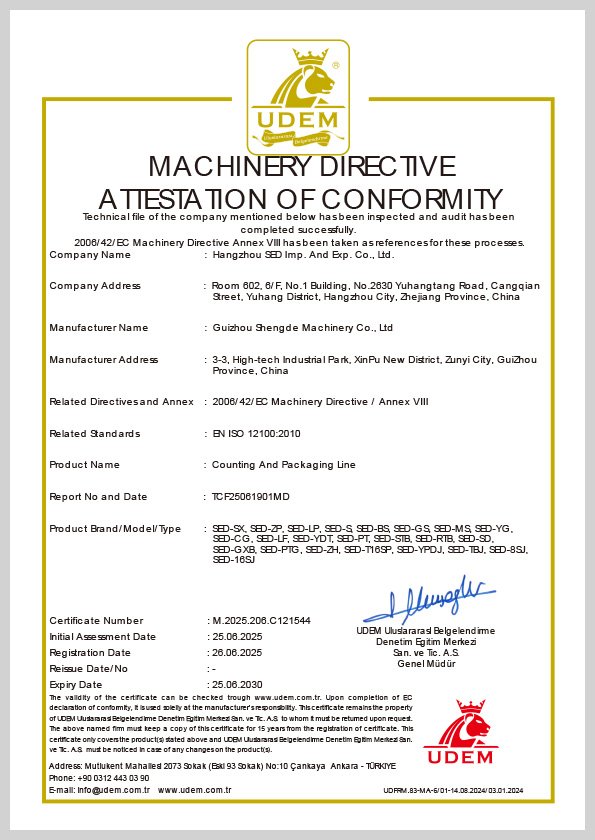
Unlock Your Medicine Production Potential. Speak with an Innoval Pharma Expert to Tailor Your Solution.
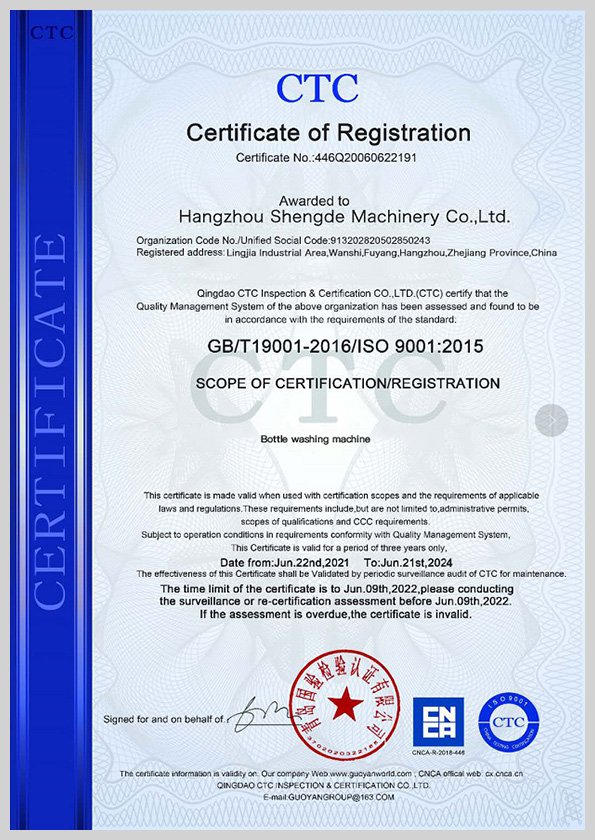
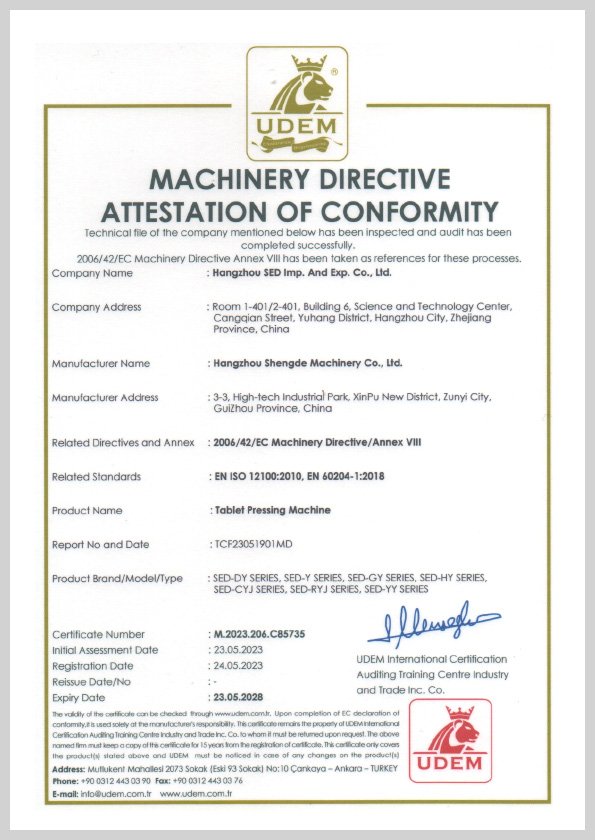
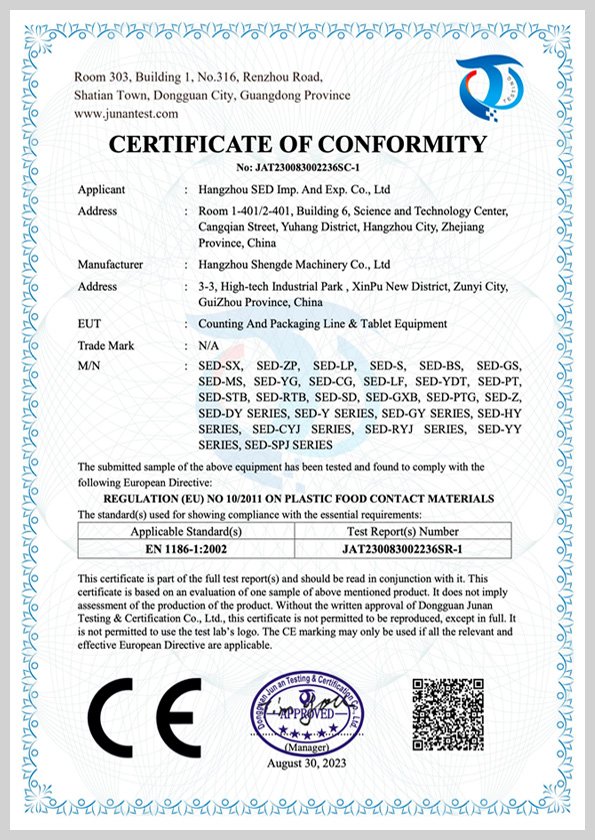
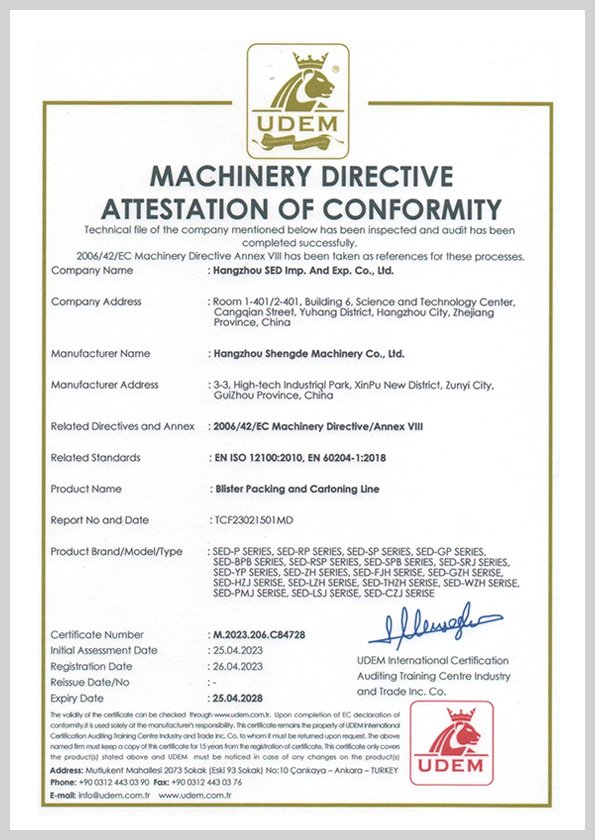
Certificates


Related Products
Contact Info
Call Us
+1(323)215-9729 (North/South America)
sales@innovalpharma.com
+1(213)258-7721
After Service
+1(909)230-8253 (North/South America)