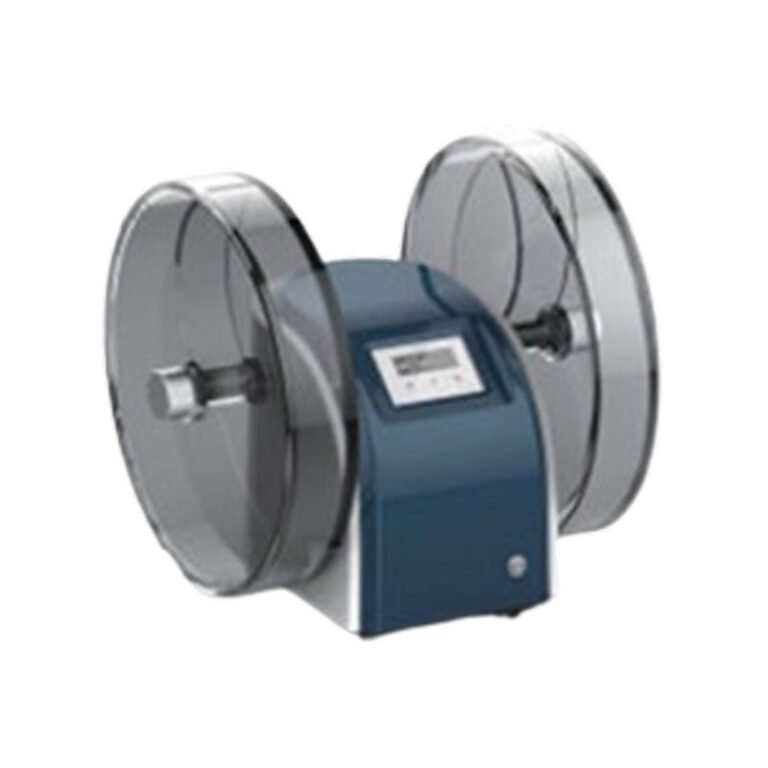
Tablet Friability Tester
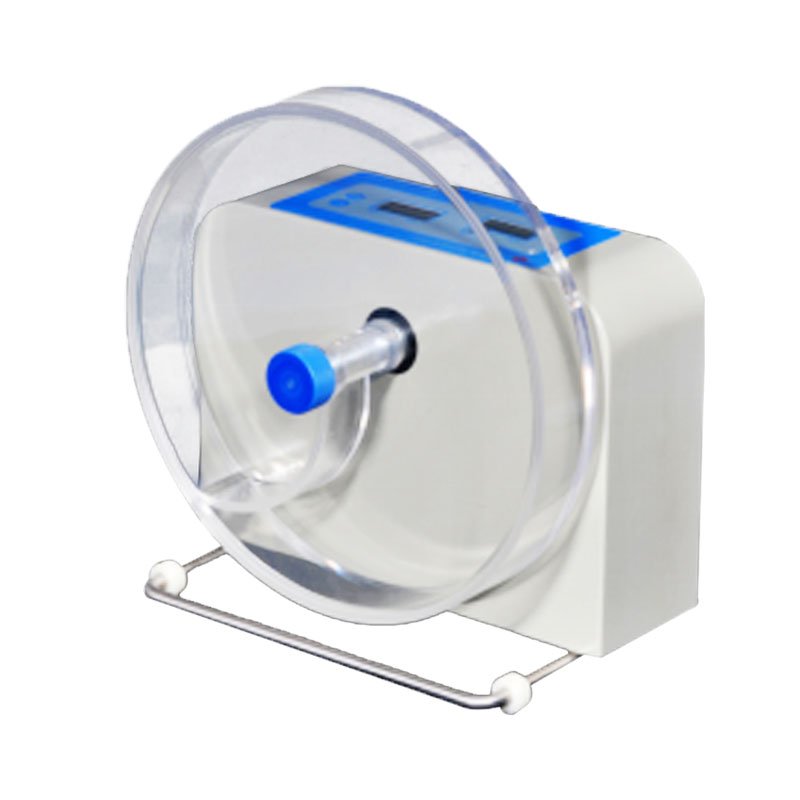
Tablet Friability Tester
The CSD1-B is a friability testing instrument engineered to assess the mechanical durability, wear resistance, and impact resilience of uncoated tablets throughout manufacturing, packaging, and storage. It also evaluates the friability of tablet coatings and capsules. Operating as a single-channel, single-drum unit, it shuts down automatically after a timed run. The highly transparent acrylic drum permits full visual monitoring of the testing process. An intelligent control system allows users to set the rotation count freely while precisely regulating speed and rotational parameters. The LCD screen presents data clearly for straightforward operation. A built-in self-diagnostic feature automatically detects abnormalities and triggers alarms. The apparatus runs at 25 rpm with ±1 accuracy, accommodates 10–900 rotations, and features a 286 mm inner drum diameter, 39 mm depth, and 156 mm sliding height. Power supply is customizable, and the unit measures 300×200×340 mm.
Features:
1. The friability tester features an independent test unit operating in single-channel, single-cylinder mode, with automatic timed shutdown ensuring precise and efficient testing.
2. A highly transparent plexiglass cylinder enables clear observation of the entire friability testing process, ensuring accurate monitoring and reliable results.
3. An intelligent control system enables free setting of rotation count with precise control of speed and rotation parameters for accurate friability testing.
4. The user-friendly interface with LCD display provides clear data presentation, ensuring simple and intuitive operation in friability testing applications.
5. With a comprehensive self-test function featuring automatic detection and diagnosis, the tester provides automatic alarms for abnormal conditions, ensuring operational reliability.
Technical Data:
| Model | CSD1-B |
| Number of Cylinder | 1 |
| Rotating Speed (times/min) | 25 |
| Rotating Accuracy (times/min) | ±1 |
| Rotation Range (times) | 10-900 |
| Inner Diameter of Cylinder (mm) | 286 |
| Cylinder Depth (mm) | 39 |
| Sliding Height (mm) | 156 |
| Power Supply | Custom-made according to the customer’s request |
| Dimension (L*W*H mm) | 300*200*340 |
Routine maintenance and calibration instructions:
1. Routine speed check: Use a calibrated tachometer suitable for the rotating drum. Measure actual speed under the specified condition, compare it with the limit, and document the result. If out of tolerance, remove the instrument from service and contact authorized service personnel. Follow the manufacturer’s instructions and site SOP for adjustment and calibration intervals.
2. Cleaning: Switch off and disconnect the instrument, remove the drum, and clear tablet dust with a soft lint-free cloth or approved method. Avoid abrasives and unapproved solvents that may scratch or cloud the transparent drum. Reinstall only after all parts are clean and dry.
Usage:
1. Prepare the sample: Use whole tablets and carefully remove loose dust before weighing. Record the initial mass accurately.
2. Weigh the initial mass: Accurately weigh the prepared sample and record the initial mass (W₁) before loading into the drum.
3. Load the drum: Place the tablets into the clean, dry drum and secure the removable side tightly before starting.
4. Run the test: Operate at 100 rotations at 25 ± 1 rpm, unless the applicable method specifies otherwise.
5. Inspect and reweigh: Remove the sample, dedust as before, check for cracked or broken tablets, and record final mass (W₂).
6. Calculate and document: Calculate percentage mass loss and record the result, observations, equipment ID, and test conditions.
Applications:
1. Pharmaceutical Quality Control and Batch Release Testing: Determines mass loss of uncoated tablets under controlled tumbling to verify batch compliance with USP <1216> friability limits.
2. Formulation Development and Compression Optimization: Guides binder selection and compression force settings by profiling prototype tablet friability during early-stage formulation screening.
3. Coating Integrity and Abrasion Resistance Verification: Tests film-coated, enteric-coated, and sugar-coated tablets to confirm coating adhesion and mechanical durability under stress.
4. Packaging Design and Transport Stability Validation: Predicts tablet integrity through blister packaging, bottling, and shipping handling by simulating mechanical stress conditions.