


Many procurement engineers and production managers encounter confusing terminology when sourcing solid‑dose pharmaceutical processing hardware. The term capsule machine is widely used across supplier catalogues, industry forums and search engine results, yet buyers frequently mix it up with the specialized capsule filling machine. This semantic confusion often leads to wrong inquiry lists, wasted communication time, and receiving equipment proposals that do not match actual production goals.
A capsule machine acts as a broad umbrella category covering multiple units related to capsule processing, while a capsule filling machine represents only one specific piece within this larger equipment family. Many new buyers search for a capsule machine expecting filling functionality, only to receive quotations for capsule shell making, polishing, sorting or packaging hardware instead. This article draws on pharma GMP industry documentation and real‑world procurement pain points to clarify the boundary between the general‑purpose capsule machine group and the dedicated capsule filling machine, helping stakeholders filter search results and lock onto accurate target devices during supplier communication.
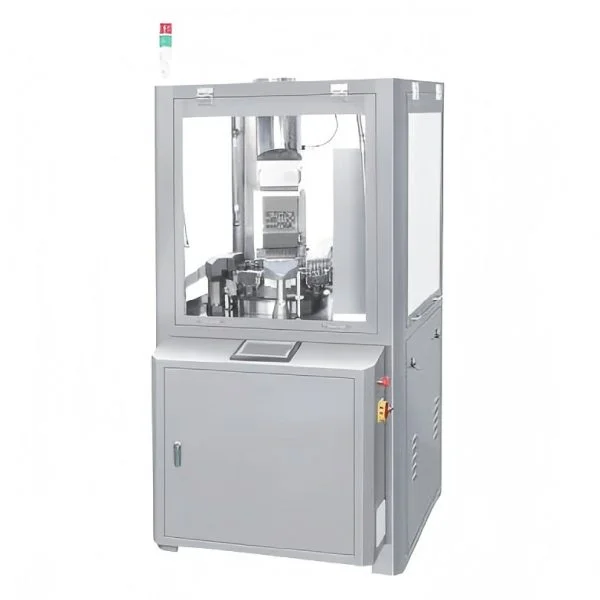
Core Definition: What Is a Capsule Machine?
Broad Scope of Capsule Machine in Pharmaceutical Industry
In pharma manufacturing vocabulary, capsule machine is not limited to one single device. It describes any industrial machine that handles capsule‑related operations throughout the whole production chain, from empty shell fabrication, post‑fill finishing, inspection through to final packaging. A capsule machine can participate at different stages, and does not necessarily perform material filling work.
Common devices falling under the capsule machine umbrella include:
- Capsule shell manufacturing equipment for producing empty gelatin or vegetarian capsule bodies and caps
- Capsule polisher machine for removing surface powder residue after filling
- Capsule sorting machine for rejecting cracked, deformed or discolored shells
- Capsule filling machine, the filling‑focused subset of the capsule machine category
- Capsule inspection machine for visual and weight‑based quality screening
- Capsule blister packaging machine for secondary packaging of finished capsules
It is critical to understand: every capsule filling machine belongs to the wider capsule machine group, but not every capsule machine can fill powder, pellets or liquid ingredients into empty shells.
Capsule Machine vs Capsule Filling Machine: Side‑by‑Side Comparison
| Item | Capsule Machine (General Category) | Capsule Filling Machine (Specialized Sub‑Type) |
|---|---|---|
| Core Definition | Broad collective term for all machinery working with capsules | Dedicated device for dosing materials into empty capsule shells |
| Primary Function | Shell making, polishing, sorting, inspection, filling or packaging | Separate capsule cap‑body, dose raw material, lock and eject finished capsules |
| Typical Production Stage | Full capsule lifecycle: shell production, post‑treatment, filling, packaging | Only filling station within capsule production workflow |
| Common Output Range | Depends heavily on individual unit, 100‑200 000 units per hour | 50‑150 000+ capsules per hour, based on automation grade |
| Main Purchase Goal | Solve one specific capsule‑handling process step | Complete core filling task for solid‑dose formulation |
| GMP Focus Area | Varies by machine type; contamination prevention is universal | Fill‑weight uniformity, shell integrity, batch‑to‑batch consistency |
Reading this comparison table eliminates one of the most frequent procurement traps. If you submit an inquiry simply requesting a capsule machine, suppliers may quote polishing or shell‑making units that cannot execute your filling task, even when you actually intend to source a semi‑automatic capsule filling machine. On the other hand, if your requirement covers polishing, sorting and packaging besides filling, you will need multiple units from the capsule machine product portfolio, not merely a semi‑automatic capsule filling machine or basic capsule filling machine.
Operational Workflow Differences
Typical workflow for a capsule filling machine
- Feed and orient empty capsules to guarantee uniform cap‑body position
- Mechanically separate capsule caps from bodies without shell damage
- Dose powder, granules, pellets or liquid blend into capsule bodies
- Re‑align and lock caps onto filled bodies
- Eject finished capsules and send defective units to rejection channel
General capsule machine units outside filling duties follow completely different sequences. While a semi‑automatic capsule filling machine focuses on dosing and capsule locking, other capsule‑handling devices serve separate purposes. For example, a capsule polisher machine only cleans residual powder off completed filled capsules; a capsule sorting machine only screens and discards defective shells. These capsule machine variants never carry out dosing or capsule closing steps, functions that define filling‑oriented equipment such as the semi‑automatic capsule filling machine.
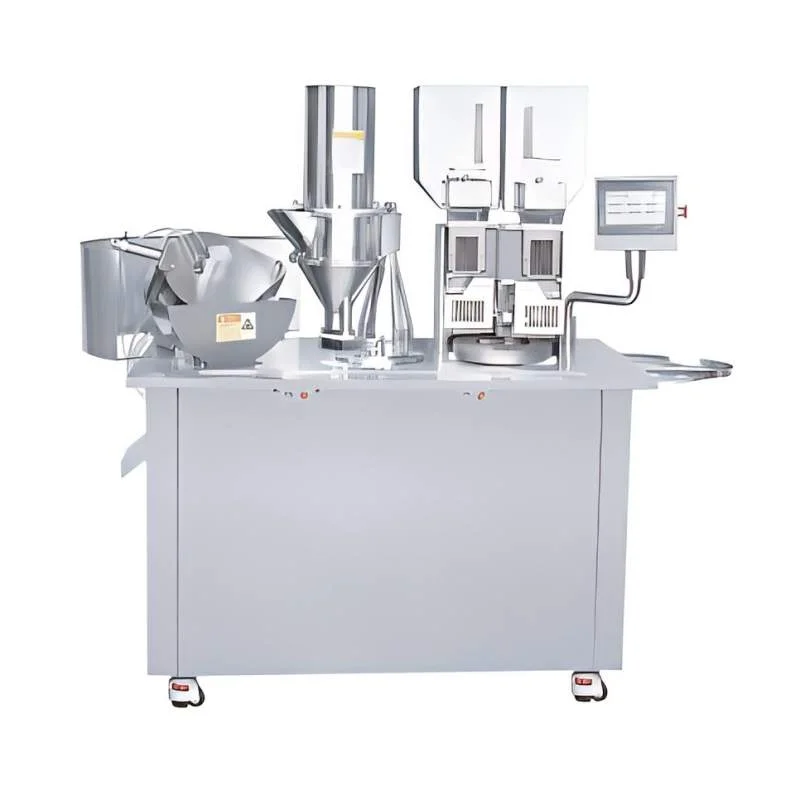
Key Buying Risks Caused by Term Confusion
Many pharmaceutical and nutraceutical projects suffer avoidable delays due to misinterpreting what a capsule machine covers. Below are major risk factors buyers should evaluate before sending RFQ documents.
- Mis‑matched equipment proposals: Searching or enquiring only for a capsule machine may return non‑filling machinery, delaying project timelines.
- Incomplete production line configuration: Buyers obtain a capsule filling machine but forget supporting capsule machine accessories such as polishers or sorters, creating bottlenecks downstream.
- Misjudged budget allocation: Shell‑making capsule machine units carry far higher capital cost than standard filling‑grade models. Confusing categories can distort initial budget estimates.
- Unclear technical communication with vendors: Without specifying whether you need filling or post‑processing capability, technical specification sheets will contain irrelevant parameters.
When drafting purchase requirements, best practice is to state both your target function and equipment category. If filling is your core objective, mention “capsule filling machine, as part of the capsule machine series” in your inquiry. If you need polishing or sorting only, clearly name that particular capsule machine subtype.
How To Choose Between Capsule Machine Variants
Once you understand the category boundary of each capsule machine, you can map your real‑world manufacturing requirements to proper hardware. Ask yourself several practical questions before finalizing your shortlist.
First, define your core production objective:
- Do you need to fill raw materials into empty capsules? Prioritize a capsule filling machine.
- Are your capsules already filled, and you only need polishing, sorting or packaging? Select the corresponding capsule machine auxiliary unit.
- Do you intend to manufacture empty capsule shells from gelatin raw materials? You will require shell‑forming capsule machine equipment, which belongs to a completely separate production segment.
Second, clarify batch scale and material properties. Even within the capsule machine ecosystem, different units support different throughput. Small‑batch laboratory work does not demand high‑speed industrial‑grade capsule machine hardware.
Third, plan your full‑line layout. Most commercial capsule production combines multiple capsule machine devices. A standard workflow may run: capsule filling machine → capsule polisher machine → capsule sorting machine → blister packaging capsule machine. Each individual capsule machine must match line speed to avoid process bottlenecks.
GMP Compliance Considerations for Capsule‑Related Equipment
Every capsule machine deployed in regulated pharma manufacturing must satisfy GMP design principles, yet compliance focus shifts according to machine function. This rule applies universally to all processing equipment, including the capsule polisher machine used for post-filling surface treatment and finishing.
For a capsule filling machine, regulators place heavy emphasis on fill‑weight consistency, minimal capsule breakage, and easy disassembly for cleaning validation. For other capsule machine types such as polishers or sorters, the main compliance concern is preventing secondary contamination of already‑filled capsules. All product‑contact surfaces of any capsule machine should adopt polished stainless steel construction with minimal dead corners for residue accumulation.
Operators should maintain separate equipment logs for every capsule machine on the production line. Record batch numbers, running parameters, cleaning cycles and maintenance events for traceability during regulatory audits. Even auxiliary capsule machine units cannot be omitted from documentation protocols.
FAQ
Is capsule machine another name for capsule filling machine?
No. Capsule machine is a broad umbrella term covering all capsule‑processing equipment. A capsule filling machine is one member inside the capsule machine group, but many capsule machine models cannot perform filling operations.
If I buy a capsule filling machine, do I still need other capsule machine units?
It depends on your workflow. Lab‑scale small‑batch output may skip auxiliary capsule machine hardware. For commercial production, supporting capsule machine such as polishers or sorting machines are usually recommended to improve finished‑product quality.
Can one single capsule machine handle shell production, filling and polishing all together?
All‑in‑one integrated capsule machine solutions are extremely rare for pharmaceutical GMP environments. Shell manufacturing, filling and polishing belong to distinct process stages. Most compliant factories deploy separate dedicated capsule machine for each step.