


A dosator capsule filling machine operates on a fundamentally different principle from tamping‑pin systems. Instead of compressing powder into a metering disc, a dosator uses a hollow cylinder with an internal piston that dips directly into the powder bed, draws material into its chamber, and ejects a formed plug into the capsule body. This design offers exceptional flexibility—the same dosator capsule filling machine can handle powders, pellets, granules, and even mini‑tablets with appropriate adjustments.
However, this versatility comes with a challenge: different materials require different parameter settings. Understanding how to adapt your dosator capsule filling machine to each material type is the key to maintaining fill weight accuracy and production efficiency.
Working Principle of Dosator Capsule Filling Machine for Material Adaptation
To adapt any material successfully, you must first understand how your dosator capsule filling machine functions. The dosator is lowered, open end first, into a flat powder bed. Powder is forced up into the cylinder until it reaches the piston, forming a plug. Additional compression can be applied by downward piston pressure. The plug is then ejected into the waiting capsule body.
The capsule filling machine working principle here is critical: fill weight is determined by three primary variables—the piston’s axial position (which sets chamber volume), the depth of dosator immersion into the powder bed, and the compression force applied. Material adaptation means adjusting these variables to match the physical properties of your specific formulation.
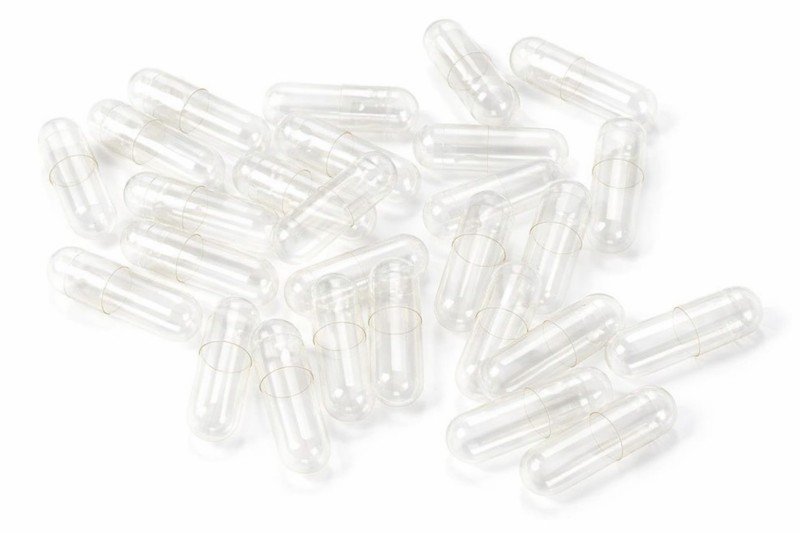
Powder Adaptation for Your Dosator Capsule Filling Machine
Fine powders are the most common material processed on a dosator capsule filling machine, but they also present the most challenges. Ideal powder characteristics include particle size of 80‑100 mesh, uniform granulation, consistent bulk density, moisture content below 3%, and moderate flowability. However, many modern formulations—especially those produced via a freeze dryer—exhibit unique properties such as high porosity, low bulk density, and pronounced hygroscopicity. These lyophilized powders often have excellent solubility but poor flowability, which directly impacts how your dosator capsule filling machine draws and ejects material. If your powder comes from a freeze dryer, you may need to reduce machine speed, increase hopper agitation, or add a glidant to compensate for the fluffy, cohesive nature of the lyophilized cake.
When your powder deviates from these ideal properties, apply these adaptations:
Low Flowability Powders
If powder tends to bridge or clump in the hopper, your dosator capsule filling machine will struggle to draw material consistently. Solutions include:
Adding a small amount of lubricant or glidant to the formulation
Reducing machine speed to allow more time for powder to enter the dosator chamber
Maintaining environmental conditions at 21±3°C and 40‑60% RH
Hygroscopic or Sticky Powders
Powders that absorb moisture or become sticky during operation require:
Lower humidity control (below 40% RH for sensitive materials)
Frequent cleaning of dosator surfaces to prevent buildup
Shorter batch runs with intermediate cleaning breaks
Low‑Dose Formulations
For low fill weights (e.g., 1‑60mg), additional factors become critical: metering hole surface finish, tapped density, and particle shape all influence fill accuracy. Your dosator capsule filling machine should be calibrated with:
Reduced dosator immersion depth
Precise piston position adjustment
Consistent vacuum application for powder retention
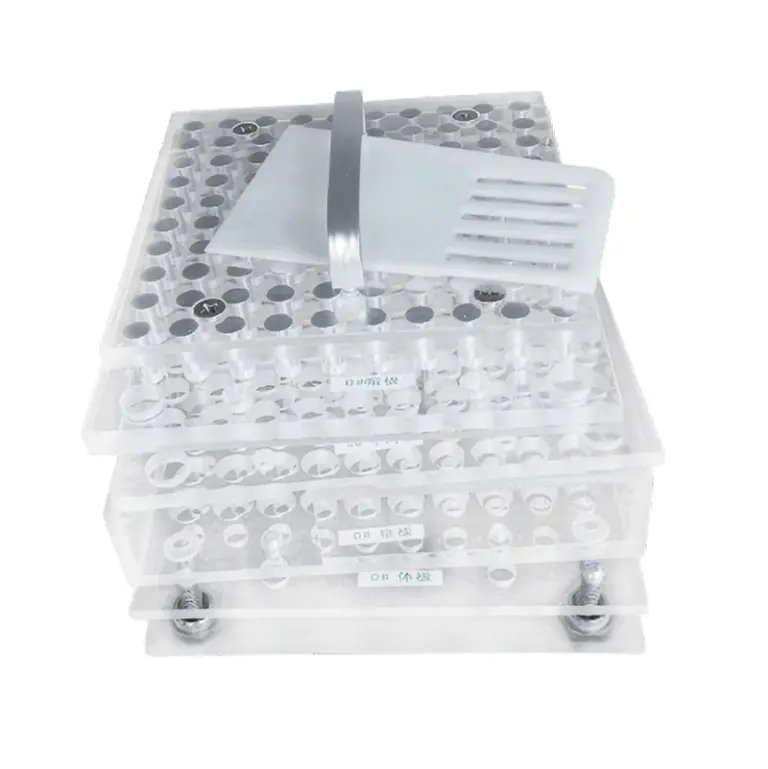
Pellet and Granule Adaptation for Dosator Capsule Filling Machine
Pellets and granules present a different set of challenges for any dosator capsule filling machine. Unlike powders, pellets cannot be heavily compressed—excessive force will crush them and destroy their controlled‑release properties. This is a key distinction from a tablet press, which relies on high compression force to form solid tablets from powders or granulates. In contrast, the dosator system must handle pellets gently, using minimal compression (0‑2 N) to preserve integrity. For facilities running both capsule filling and tablet pressing lines, understanding this difference is critical—parameters optimized for a tablet press (high dwell time, significant compression) are entirely unsuitable for a dosator capsule filling machine processing pellets. Moreover, when the same granulation is used for both tablet and capsule formats, operators must adjust the dosator’s piston retraction speed and immersion depth to prevent the shear forces that a tablet press naturally absorbs through its die and punch system.
Key Adaptation Parameters for Pellets
| Material Type | Dosator Setting | Typical Range | Impact on Fill Quality |
|---|---|---|---|
| Fine powder (80‑100 mesh) | Immersion depth | 8‑12 mm | Deeper immersion = higher fill weight |
| Cohesive powder | Machine speed | 30‑50% of max | Slower speed improves chamber filling |
| Pellets (0.5‑1.5 mm) | Compression force | Minimal (0‑2 N) | Prevents crushing |
| Granules | Piston retraction | Faster retraction | Reduces particle entrapment |
Preventive Measures for Consistent Dosator Capsule Filling Machine Performance
Material adaptation is not a one‑time setup. Implement these practices to maintain consistent performance:
Document successful parameters for each material type—record piston position, immersion depth, speed, and environmental conditions
Perform small‑scale trials with each new batch before full production
Clean dosator components between material changes to prevent cross‑contamination and buildup
Monitor fill weight continuously and adjust parameters when drift exceeds ±2‑3%
By mastering these material adaptation skills, your dosator capsule filling machine can deliver consistent, accurate fills across powders, pellets, and granules—maximizing both quality and throughput.
FAQ
Can a dosator capsule filling machine handle both fine powders and large pellets without changing parts?
Yes, with appropriate parameter adjustments—piston position, immersion depth, and compression force. However, for optimal results with pellets, a dedicated pellet dosing module is recommended.
What is the acceptable fill weight variation for a dosator capsule filling machine?
For stable powders, ±1% to ±2.5% is achievable. For pellets or granules, ±3% to ±5% is typical, depending on particle size uniformity.
Why does my dosator capsule filling machine show weight drift during a long production run?
Common causes include powder bed level changes, temperature‑related material property shifts, or dosator surface buildup. Check the powder bed sensor setting (sensor to material surface 5‑8 mm) and adjust the feeding delay time (typically 1‑3 seconds).