


Fundamental Mechanism of a Tablets Machine
A tablets machine, also commonly referred to as a tablet press in industrial processing fields, is essential industrial processing equipment widely used in pharmaceutical, food, chemical, and nutraceutical manufacturing. The core function of every tablets machine is to convert dry powder and granular raw materials into uniform, rigid solid tablets through pure physical compression. Unlike complex molding devices, a standard tablets machine and conventional tablet press units rely on mechanical punch and die coordination to eliminate particle gaps, ensuring consistent tablet weight, hardness, and shape for batch production. Every structural design of a tablets machine focuses on stable pressure output and precise material metering, which forms the core working principle of any reliable tablet press and forms the foundation of qualified tablet production across all industrial sectors.
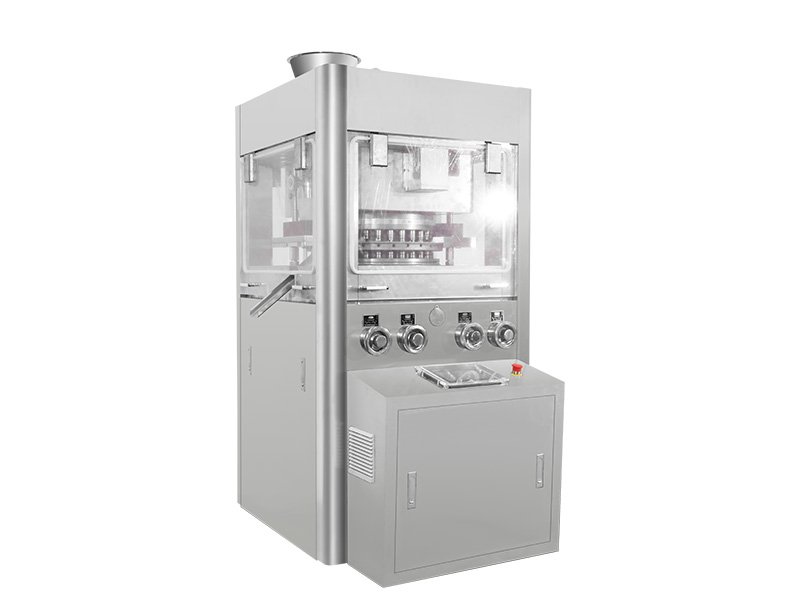
Complete Tablet Molding Workflow of a Tablets Machine
The operational cycle of a tablets machine follows a standardized four-step molding process recognized by industrial manufacturing guidelines. This closed-loop workflow ensures continuous, stable production and is fully adopted by all conventional tablets making machine models on the market.
- Material Feeding: Qualified dry raw materials flow from the hopper into the die cavity, with a scraper leveling excess materials to guarantee full cavity filling.
- Precision Metering: The lower punch adjusts cavity depth to fix material volume, controlling each tablet’s initial weight to reduce batch errors.
- Dual-Stage Compression: Upper punches descend to apply pre-pressure and main pressure, compacting loose materials into integrated solid tablets.
- Automatic Discharging: Molded tablets are pushed out by the lower punch and transported to the discharge outlet to complete one full cycle.
Core Pressing Actions Executed by a Tablets Machine
The molding quality of finished products entirely depends on the core pressing actions of a tablets machine. Two staged compression movements prevent common defects such as layering, cracking, and loose texture, ensuring industrial-grade tablet stability and laying a solid foundation for subsequent processing by a tablet coating machine in follow-up production procedures.
- Pre-compression Action: Low preliminary pressure expels trapped air inside powder layers. This critical step avoids air expansion damage during high-pressure molding, a key function of every precision tablets machine.
- Main Compression Action: Sustained rated pressure tightens raw material particles, destroys loose particle gaps, and forms stable physical adhesion for permanent tablet shaping.
- Positioning Calibration: Aligned upper and lower punches ensure even force distribution, preventing uneven hardness and irregular tablet edges.
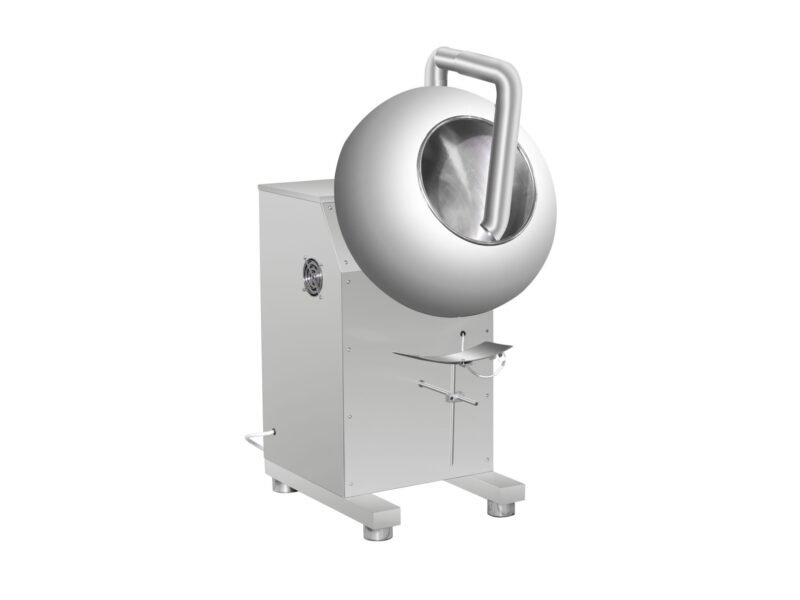
Basic Tablets Machine Types and Industrial Application Scope
Basic tablets machine models are categorized into single-punch and rotary types, each with targeted production capacity and application scenarios. The table below details their core parameters and applicable industries based on standard industrial equipment specifications.
Tablets Machine Type | Hourly Output | Core Advantages |
|---|---|---|
Single-Punch Tablets Machine | 1,000–3,000 tablets | Simple operation, flexible pressure adjustment, low maintenance |
Rotary Tablets Machine | 10,000–50,000 tablets | Continuous operation, stable pressure, high batch consistency |
Single-punch tablets machine units suit low-volume, high-precision production needs, while rotary tablets machine equipment is the mainstream choice for standardized industrial mass manufacturing. Both models only adapt to dry powder and granular materials, excluding wet or sticky raw materials that affect molding quality.
FAQ
Why does a tablets machine adopt dual-stage compression?
Dual-stage compression removes internal air and achieves gradual compaction, effectively preventing tablet cracking and layering to improve finished product quality.
What materials can a standard tablets making machine process?
It mainly processes dry, non-sticky powder and fine granular materials, including pharmaceutical ingredients, nutritional powder, and industrial chemical additives.
What affects the tablet uniformity of a tablets machine?
Key factors include metering accuracy, compression pressure stability, punch-die alignment, and raw material particle fineness.