


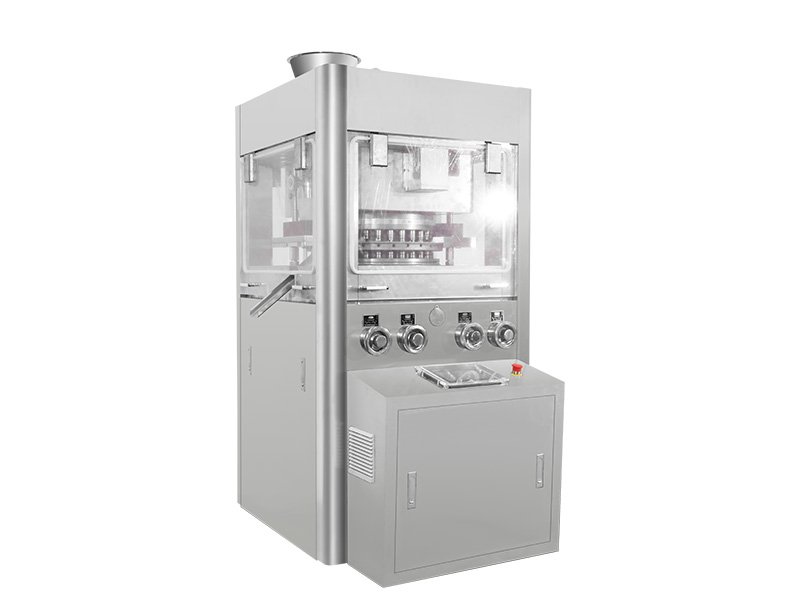
A tablets machine is a type of pharmaceutical equipment used to compress powder or granules into solid tablets. In pharmaceutical manufacturing, the term usually refers to a tablet press, especially a rotary tablet press designed for continuous production.
The main purpose of a tablets machine is to control the filling, compression, and ejection of material so that tablets can be produced with consistent weight, thickness, shape, and hardness. Although the basic principle is simple, modern tablets machine equipment combines several mechanical systems to achieve stable and repeatable tablet production.
It is important to understand that a tablets machine normally represents the compression equipment rather than the entire tablet manufacturing process. A complete production line may contain several upstream and downstream machines, with the tablets machine serving as the core compression unit.
What Is a Tablets Machine and How Does It Work?
A tablets machine works by placing a measured amount of powder or granules into a die cavity and compressing the material between an upper punch and a lower punch. In a rotary tablets machine, multiple punch-and-die sets move continuously around a rotating turret.
The general working process includes:
- Material enters the hopper and feeding system.
- The feeder distributes the material into the die cavities.
- The lower punches determine the filling volume.
- Precompression may be applied to remove air and begin consolidation.
- Main compression forms the tablet under controlled pressure.
- The lower punches rise and eject the finished tablets.
- The discharge system transfers tablets to the next processing stage.
The actual operating conditions depend on the formulation, tablet specifications, tooling, and equipment design. Factors such as powder flow, machine speed, compression force, and lubrication can affect tablet quality.
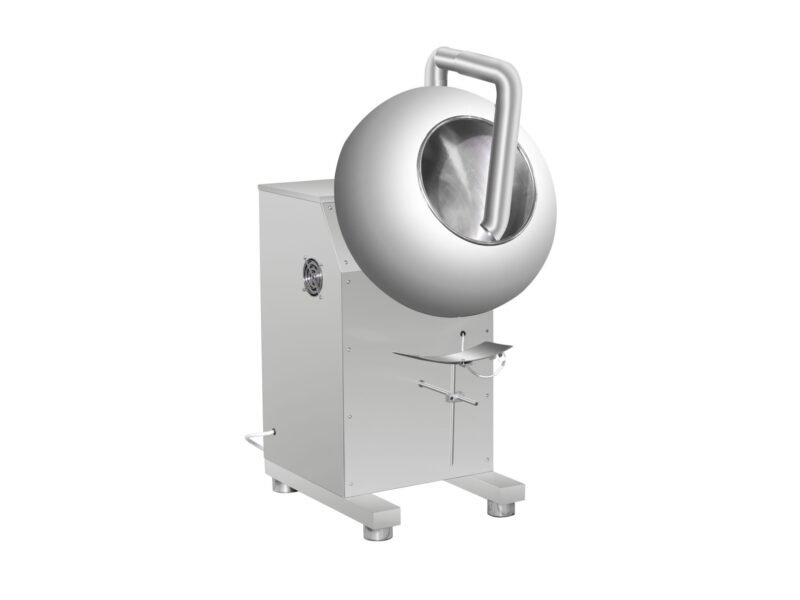
Therefore, a tablets machine should be viewed as one part of a controlled manufacturing process rather than a standalone solution for every tablet-quality issue. After compression, a tablet deduster may be used to remove loose powder and dust from the tablet surface before the tablets move to subsequent processes such as inspection, coating, or packaging.
What Are the Main Components of a Tablets Machine?
The structure of a tablets machine is centered around material feeding and mechanical compression. Different models may have different configurations, but the core components are generally similar.
| Component | Primary Role |
|---|---|
| Hopper | Material storage |
| Feeder | Powder feeding |
| Turret | Tooling rotation |
| Upper Punch | Upper compression |
| Lower Punch | Filling and ejection |
| Die | Tablet forming |
| Precompression Roller | Precompression |
| Main Roller | Main compression |
| Cam Track | Punch guidance |
| Discharge Unit | Tablet removal |
| Control System | Machine control |
The punches and dies are especially important because they directly influence tablet shape and dimensions. The condition and design of the tooling can also affect problems such as sticking, picking, and inconsistent tablet appearance.
For this reason, selecting a tablets machine involves more than considering production speed. Tooling compatibility, compression capability, cleaning requirements, and process control should also be evaluated.
What Is a Tablets Machine Used For?
A tablets machine is widely used in pharmaceutical production because tablets are one of the most common solid oral dosage forms. Depending on the equipment configuration and formulation, a tablets machine can be used for various types of products.
Typical applications include:
- Pharmaceutical tablets
- Nutraceutical tablets
- Herbal tablets
- Veterinary tablets
- Chewable tablets
- Effervescent tablets
- Immediate-release tablets
- Multilayer tablets
- Mini-tablets
In pharmaceutical manufacturing, the tablets machine is generally used after the formulation has been properly prepared. The material may come from direct blending or from processes such as wet granulation or dry granulation.
The machine therefore needs to match the physical properties of the material being compressed. Powder flowability, particle size distribution, moisture content, lubrication, and compressibility can all influence the compression process.
What Should Be Considered When Choosing a Tablets Machine?
Choosing a tablets machine requires consideration of both the product and the production environment. A machine suitable for one formulation may not provide the same performance with another formulation.
Key considerations include:
- Required production capacity
- Tablet size and shape
- Number of punch stations
- Maximum and operating compression force
- Material flowability and compressibility
- Single-layer or multilayer production
- Tooling requirements
- Cleaning and maintenance procedures
- Control and monitoring functions
- GMP requirements
- Integration with upstream and downstream equipment
Production capacity should also be considered carefully when selecting a tablets machine or tablet press. The theoretical output of a tablets machine depends on factors such as the number of stations, turret speed, and the number of tablets produced per compression cycle. Actual production output can be lower because of formulation characteristics, operating conditions, machine adjustments, and quality-control requirements.
Why Is a Tablets Machine Important in Pharmaceutical Production?
A tablets machine is important because compression directly determines the physical form of the finished tablet. Consistent die filling and controlled compression are necessary for maintaining uniform tablet characteristics throughout production.
For pharmaceutical manufacturers, the tablets machine must therefore work within a controlled process. Equipment design, tooling condition, material properties, operating parameters, cleaning, and maintenance all contribute to reliable production.
The machine should also be suitable for its intended application and compatible with the manufacturer’s quality system and applicable GMP requirements.
Understanding the role of a tablets machine helps manufacturers avoid a common purchasing misunderstanding: a tablet press is the central compression machine, but it is not automatically the entire tablet manufacturing system.
FAQ
Why Is a Tablets Machine Important in Pharmaceutical Production?
A tablets machine compresses prepared powder or granules inside a die cavity to form tablets with controlled size, shape, weight, and mechanical properties
Is a tablets machine the same as a tablet production line?
No. A tablets machine normally refers to the tablet press used for compression. A complete production line may also include mixing, granulation, drying, coating, inspection, and packaging equipment.
What is the difference between a tablets machine and a tablets making machine?
The two terms are often used for similar tablet compression equipment. However, terminology varies by supplier, so buyers should evaluate the machine’s technical specifications and actual functions rather than relying only on the equipment name.