


When selecting a tablets manufacturing machine, production capacity is one of the first specifications buyers review. However, capacity is not simply a number stated in tablets per hour. Actual output depends on several mechanical, process, and formulation-related parameters. A tablet press must therefore be evaluated according to its actual operating conditions rather than nominal output alone.
For pharmaceutical manufacturers, the same tablets manufacturing machine category can cover equipment designed for laboratory development, pilot-scale production, and commercial batch manufacturing. These machines may differ substantially in tooling stations, turret speed, feeding systems, compression configuration, automation, and operating range.
A correct capacity analysis therefore needs to look beyond the maximum theoretical output. Manufacturers should determine how much product must be produced, how often the machine will operate, and whether the equipment can maintain stable tablet quality at the required production rate.
This article explains the key capacity parameters of a tablets manufacturing machine and compares the typical considerations for small-scale, pilot-scale, and commercial production.
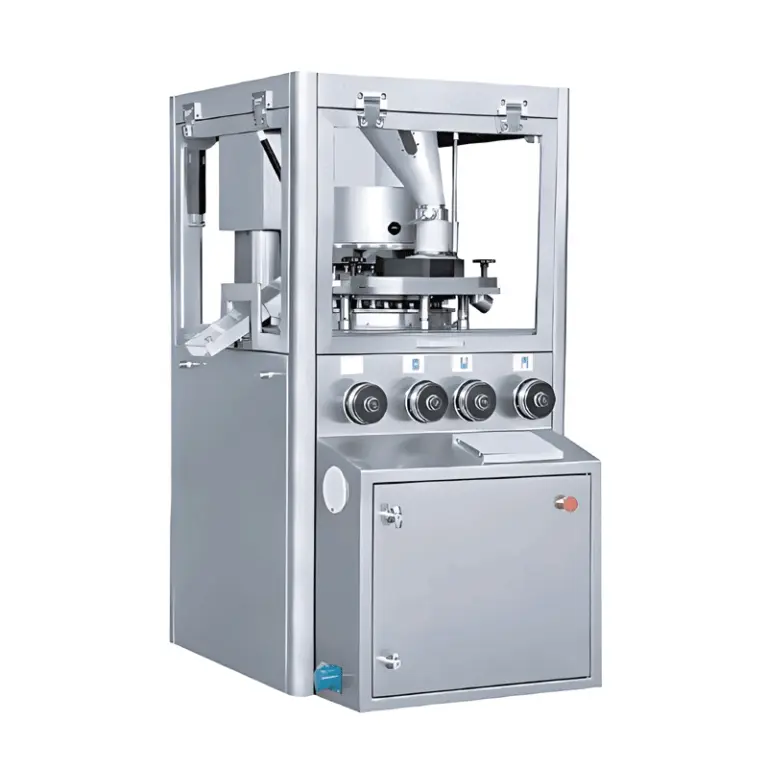
Key Capacity Parameters of a Tablets Manufacturing Machine
The capacity of a tablets manufacturing machine is influenced by several interconnected parameters. The most visible specification is usually the maximum tablet output, but this figure should be interpreted together with machine speed, tooling configuration, and actual operating conditions.
A basic production relationship can be expressed through the number of tooling stations and machine operating speed. For a rotary press, increasing the number of stations or turret speed can increase theoretical output. However, maximum speed does not automatically represent the most appropriate production condition.
Actual production may be reduced by material feeding, formulation characteristics, compression requirements, inspection, cleaning, changeovers, and planned or unplanned downtime.
Tablets Manufacturing Machine Output and Tooling Stations
The number of tooling stations is an important capacity parameter for a rotary tablets manufacturing machine.
Each station can produce tablets during the compression cycle. When other conditions remain constant, a machine with more stations can potentially produce more tablets per revolution than a machine with fewer stations.
However, the station count should not be evaluated independently. The usable number of stations may depend on tablet diameter, tooling dimensions, compression requirements, and the machine’s physical configuration.
Large tablets, unusual shapes, or demanding compression conditions can affect the practical operating range.
Tablets Manufacturing Machine Turret Speed
Turret speed is another major capacity parameter.
Increasing turret speed can increase theoretical tablet output, but higher speed can also affect feeding consistency, dwell time, compression behavior, and tablet quality. FDA inspection materials demonstrate that compression speed and machine setup parameters can be important process variables requiring appropriate control.
Therefore, buyers should distinguish between maximum mechanical speed and the validated or routinely usable production speed for a particular product.
A machine operating slightly below its maximum speed may deliver more useful production capacity if it provides stable weight, thickness, hardness, and other required quality attributes.
Tablets Manufacturing Machine Theoretical and Actual Capacity
One of the most common mistakes during equipment selection is treating the manufacturer’s maximum output as guaranteed production capacity.
Theoretical capacity represents what the equipment could potentially produce under defined mechanical conditions. Actual capacity represents what the manufacturing process can consistently achieve while meeting established product and process requirements.
The difference can be significant.
| Capacity Parameter | Theoretical Capacity | Practical Production Capacity |
|---|---|---|
| Machine speed | Maximum or specified speed | Stable operating speed |
| Tooling | Based on installed stations | Limited by product and tooling |
| Feeding | Assumes continuous feeding | Affected by powder flow |
| Compression | Mechanical capability | Product-specific compression settings |
| Downtime | Usually excluded | Included |
| Changeover | Usually excluded | Included |
| Rejects | Often excluded | Included |
| Cleaning | Usually excluded | Included |
| Quality controls | Limited consideration | Fully considered |
For this reason, production planning should be based on realistic operating conditions rather than the highest number shown in a machine catalog.
Tablets Manufacturing Machine Capacity and Product Characteristics
The formulation itself can influence practical output.
Powder flow, particle-size distribution, moisture content, bulk density, compressibility, lubrication, and granule characteristics can affect feeding and compression stability. A formulation that feeds smoothly at high speed may behave differently from one that requires slower and more controlled operation.
The tablet’s physical dimensions also matter. Larger tablets may require different tooling and compression conditions than smaller tablets.
FDA inspection documentation has identified machine conditions, setup parameters, and granule properties as factors associated with tablet manufacturing variability.
Consequently, capacity should be evaluated using representative product or formulation data whenever possible.
Tablets Manufacturing Machine Capacity for Small-Scale and Pilot Production
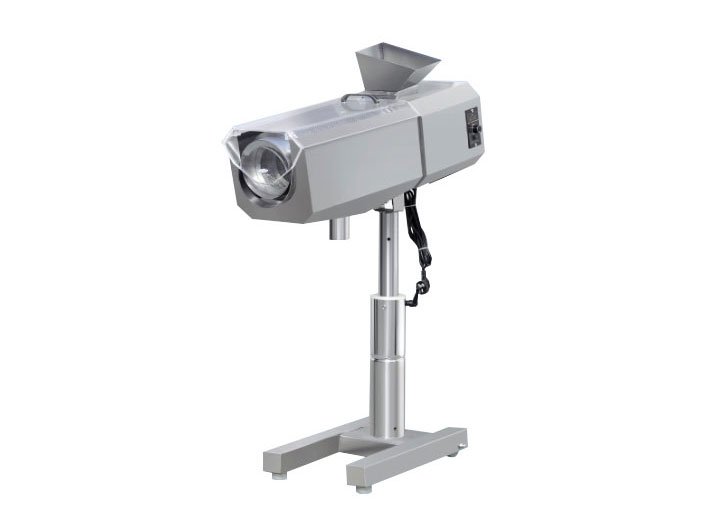
Small-scale equipment is generally used for formulation development, laboratory testing, process development, or limited production requirements. Related equipment, such as a tablet deduster, may also be used to support tablet handling and processing during development or small-batch operations. Pilot production sits between laboratory development and commercial manufacturing.
At these stages, maximum output is often less important than flexibility and process control.
A small tablets manufacturing machine may be appropriate when manufacturers need to evaluate different formulations, tablet sizes, compression forces, or tooling configurations before moving to larger equipment.
The main capacity considerations may include:
- Small batch requirements
- Flexible tooling
- Easy parameter adjustment
- Material-saving operation
- Simple cleaning and changeover
- Repeatable compression conditions
For development work, a machine that provides suitable control over the process may be more useful than equipment designed primarily for high throughput.
Tablets Manufacturing Machine Capacity for Laboratory and Development Work
Laboratory-scale production often involves relatively small quantities. The objective may be to understand formulation behavior rather than maximize production volume.
A tablets making machine used in this environment may therefore be selected according to the required batch size and development program.
Manufacturers should avoid purchasing equipment with excessive capacity if most of its available output will remain unused. Oversizing can increase equipment cost, space requirements, utilities, and maintenance needs without providing corresponding production benefits.
Tablets Manufacturing Machine Capacity for Pilot-Scale Production
Pilot-scale production is useful for investigating whether a formulation and manufacturing process can transition toward larger-scale production. At this stage, capacity becomes more important, but flexibility remains a major consideration.
The equipment should allow manufacturers to investigate operating parameters under conditions that are representative of the intended commercial process.
Scale-up should not be based only on increasing machine speed. Manufacturers should consider how changes in equipment size affect turret speed, number of tooling stations, dwell time, feeding behavior, compression conditions, powder residence time, tablet weight variation, and mechanical properties. Downstream equipment, such as a tablet coating machine, should also be considered when evaluating whether the pilot process can support the requirements of the intended commercial production line.
FDA materials on pharmaceutical development emphasize identifying and understanding process variables that can influence critical quality attributes.
For this reason, pilot equipment can play an important role in establishing suitable operating ranges before commercial production.
Tablets Manufacturing Machine Capacity for Commercial Production
Commercial production places greater emphasis on sustained throughput, reliability, automation, and equipment utilization.
A commercial tablets manufacturing machine may operate for multiple batches and extended production periods. Its capacity should therefore be considered in relation to the entire production schedule rather than one short test run.
For example, manufacturers should calculate the required output based on annual demand, batch size, available production hours, expected changeovers, cleaning time, and planned maintenance.
A practical capacity calculation should begin with demand and work backward toward the machine specification. The process can include:
- Determine annual or monthly tablet demand.
- Establish the number and size of production batches.
- Estimate available operating hours.
- Allow for cleaning and product changeovers.
- Account for planned maintenance and expected downtime.
- Determine the required practical machine output.
- Compare the result with the stable operating range of candidate equipment.
This provides a more realistic basis for equipment selection.
Tablets Manufacturing Machine Feeding System and Capacity
The feeding system can have a direct effect on usable capacity.
A tablets manufacturing machine needs to deliver consistent quantities of material to each die. If powder flow is unstable, increasing machine speed may create greater variation in die filling and tablet weight.
Feeding performance can therefore become a limiting factor even when the mechanical system is capable of higher speed.
The appropriate feeder design depends on material properties, formulation characteristics, and machine configuration. Procurement teams should evaluate whether the equipment can maintain stable feeding under the intended production conditions.
Tablets Manufacturing Machine Compression Parameters
Compression parameters also influence capacity.
Precompression, main compression, compression force, turret speed, and dwell time can interact with formulation behavior. FDA inspection records have specifically highlighted parameters such as feed-frame settings, lubrication, precompression, main compression, and compression speed as important aspects of tablet press setup and control.
A higher output rate is therefore not necessarily beneficial if it causes unacceptable tablet variability or requires frequent adjustments.
The target should be a stable production window that provides sufficient output while maintaining the required product characteristics.
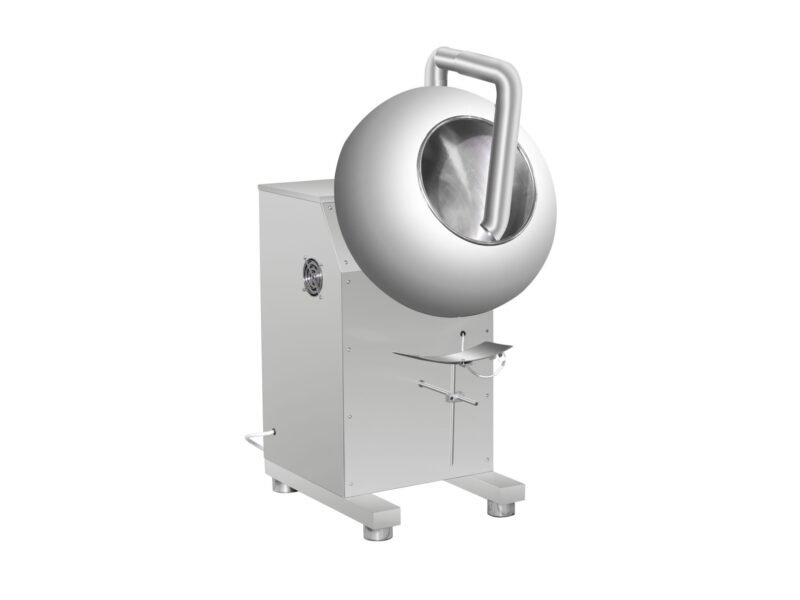
For some products, downstream processing may also affect the practical production rate. Equipment such as an automatic sugar coating machine or an automatic tablet coater machine may require a production flow that matches the upstream compression output.
Tablets Manufacturing Machine Capacity and GMP Production
Capacity selection must also fit the pharmaceutical manufacturing environment.
GMP-oriented production requires controlled equipment operation, appropriate cleaning, documented procedures, and process monitoring. A machine should not be operated beyond conditions that have been appropriately established for the product and process.
FDA inspection findings have shown the importance of defined compression parameters, machine setup controls, and in-process checks during tablet production.
For commercial equipment, procurement teams should therefore evaluate capacity together with:
- Equipment qualification requirements
- Cleaning procedures
- Preventive maintenance
- In-process controls
- Data and documentation
- Operator training
- Changeover procedures
A machine’s production capacity should support controlled manufacturing rather than simply maximize mechanical output.
Final Analysis of Tablets Manufacturing Machine Capacity
The capacity of a tablets manufacturing machine cannot be determined by one parameter. Tooling stations, turret speed, feeding performance, compression conditions, formulation properties, operating hours, changeovers, cleaning, maintenance, and product quality requirements all influence practical output.
Small-scale equipment generally emphasizes development flexibility, while pilot equipment supports scale-up studies and process understanding. Commercial equipment places greater emphasis on sustained throughput and production utilization.
For procurement teams, the key is to compare practical capacity rather than maximum theoretical output. A tablets manufacturing machine should provide enough capacity for current production requirements while maintaining a stable operating range and allowing reasonable room for future demand.
Capacity analysis is therefore not simply a comparison of tablets per hour. It is a structured evaluation of how machine design, product characteristics, process parameters, and production scheduling work together.
FAQ
What parameters determine tablets manufacturing machine capacity?
The main parameters include tooling-station count, turret speed, feeding performance, tablet dimensions, compression conditions, formulation properties, and actual operating time.
Is maximum machine output the same as actual production capacity?
No. Maximum output is generally a theoretical or specified figure. Actual production can be lower because of formulation behavior, quality controls, changeovers, cleaning, maintenance, and downtime.
How should I choose capacity for a new tablets manufacturing machine?
Start with batch size, annual demand, tablet specifications, operating hours, and expected changeovers. Then select equipment whose stable operating range can meet current requirements while allowing reasonable future capacity.