


Reliable maintenance is essential for keeping a tablets machine operating consistently during pharmaceutical and nutraceutical production. Even a well-designed tablets machine can experience changes in compression performance, feeding accuracy, tooling condition, or mechanical stability when maintenance is delayed.
A tablets machine is exposed to powder, compression forces, vibration, repeated movement, and frequent cleaning. Over time, these conditions can affect punches, dies, bearings, seals, feeding components, sensors, and other parts. If these changes are not identified early, a minor tablets machine problem can develop into an unexpected production stoppage.
For this reason, tablets machine maintenance should not be limited to repairing equipment after a failure. A preventive approach combines routine inspection, scheduled cleaning, wear-part monitoring, lubrication where applicable, performance checks, and maintenance records. A tablet press also requires these controls to maintain stable compression performance and support consistent production. GMP principles also emphasize that production equipment should be appropriately maintained, cleaned according to defined procedures, and supported by documented practices.
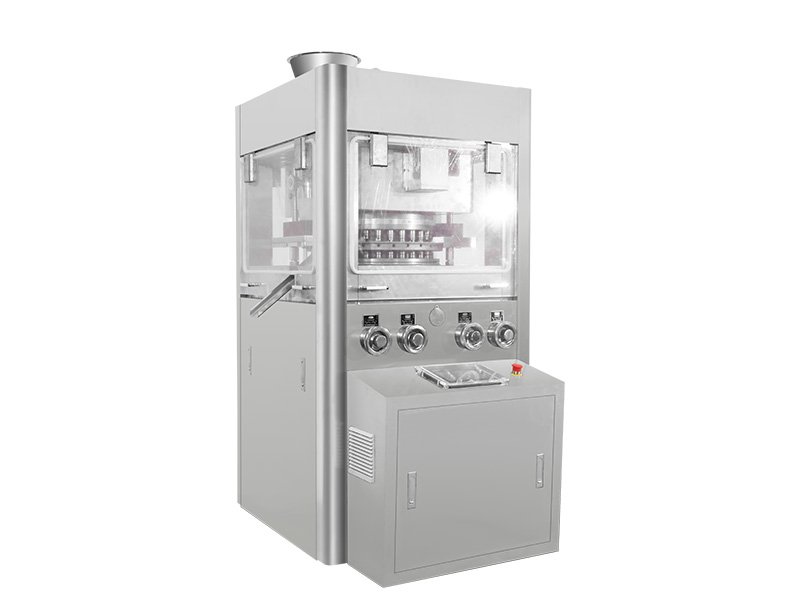
Establish A Practical Maintenance Schedule For Your Tablets Machine
A tablets machine maintenance program should be based on equipment design, operating hours, production conditions, manufacturer recommendations, and the site’s maintenance history. There is no single replacement interval that is appropriate for every tablets machine.
High-utilization equipment may require more frequent inspection than a tablets machine used for occasional production. Formulations with abrasive characteristics or poor powder flow may also place different demands on certain components.
Daily Tablets Machine Inspection
Daily inspection is the first line of defense against unexpected tablets machine downtime. Operators should look for visible changes before and after production, particularly around the compression, feeding, and drive areas.
A daily tablets machine check can include:
- Unusual vibration or mechanical noise
- Powder accumulation around product-contact areas
- Abnormal tablet weight or appearance
- Signs of lubricant leakage
- Loose fasteners or guards
- Abnormal temperature at accessible mechanical components
- Damage to punches, dies, feeders, or seals
- Alarm messages or irregular sensor readings
These checks do not replace formal maintenance. Their purpose is to identify small changes that may require further investigation.
Weekly And Monthly Tablets Machine Checks
Weekly and monthly tablets machine inspections can go deeper than routine operator checks. Maintenance personnel can inspect moving components, fasteners, lubrication points, sensors, drive components, and other parts according to the equipment maintenance manual.
A tablets machine with frequent production cycles may require more frequent checks of wear-sensitive components. Maintenance records should also be reviewed for repeated problems rather than treating each failure as an isolated event.
Periodic Tablets Machine Preventive Maintenance
Periodic maintenance should cover components that cannot be adequately assessed through daily inspection.
Depending on the tablets machine configuration, periodic work may include inspection of:
- Compression and adjustment mechanisms
- Drive and transmission components
- Feeding mechanisms
- Bearings and shafts
- Sensors and electrical connections
- Lubrication systems
- Safety devices
- Tooling condition
- Sealing components
The exact maintenance frequency should be established from the tablets machine manufacturer’s instructions and the site’s maintenance program.
| Maintenance interval | Typical tablets machine focus | Main purpose |
|---|---|---|
| Each production run | Cleaning and visual inspection | Detect immediate problems |
| Daily | Feeding, compression area, tooling, noise and vibration | Identify early changes |
| Weekly | Fasteners, lubrication points, sensors and moving parts | Prevent progressive wear |
| Monthly | Drive system, adjustment mechanisms, safety components | Confirm operating condition |
| Periodic | Detailed inspection and wear-part replacement | Reduce failure risk |
These intervals are a practical framework rather than universal requirements. Actual tablets machine procedures should follow approved site procedures and equipment-specific documentation.
Keep Tablets Machine Cleaning Under A Controlled Procedure
Cleaning is closely connected with tablets machine reliability. Powder residue can accumulate around feeders, tooling areas, guards, and other locations. If residue remains for extended periods, it can interfere with movement, inspection, or subsequent production.
GMP guidance emphasizes that production equipment should be cleaned according to defined procedures and schedules, with maintenance and cleaning activities supported by appropriate records.
Clean Tablets Machine Components After Production
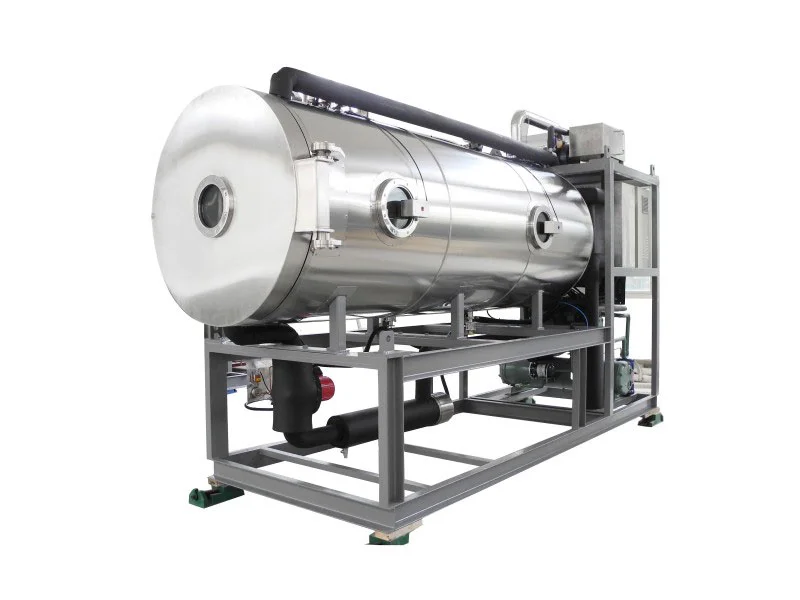
The tablets machine cleaning procedure should identify which components require removal, which areas can be cleaned in place, and which cleaning agents are permitted. Similar cleaning principles may also apply to related pharmaceutical equipment, such as a freeze dryer, where equipment surfaces and components must be handled according to defined cleaning procedures.
Operators should pay particular attention to powder-contact areas and locations where material can accumulate.
Cleaning should not introduce new problems. Excessive moisture, unsuitable cleaning agents, or incorrect reassembly can create additional risks for a tablets machine.
Inspect The Tablets Machine During Cleaning
Cleaning is also an opportunity to inspect the tablets machine. Once powder has been removed, scratches, cracks, abnormal wear, corrosion, loose components, or damaged seals may become easier to identify.
Instead of treating cleaning and inspection as separate activities, manufacturers can incorporate a short visual inspection into the tablets machine cleaning procedure.
Identify Tablets Machine Wear Parts Before They Cause Downtime
Wear parts are among the most important maintenance concerns for any tablets machine. Their service life depends on operating conditions, production hours, material characteristics, machine speed, compression conditions, and cleaning practices.
Replacing a component only after it fails can create unplanned downtime. A better approach is to establish inspection criteria and replace parts when their condition approaches an approved limit.
Monitor Tablets Machine Punches And Dies
Punches and dies are precision tooling components that directly influence tablet formation. Wear, damage, corrosion, or improper handling can affect tablet appearance, dimensions, weight consistency, and compression performance.
A tablets machine operator should not rely only on visible breakage. Small surface defects can also deserve attention, particularly when recurring tablet defects appear during production.
Tooling should be:
- Removed according to the approved procedure.
- Cleaned and dried thoroughly.
- Visually inspected under suitable lighting.
- Checked for damage, wear, corrosion, or deformation.
- Identified and stored correctly.
- Replaced when established acceptance criteria are no longer met.
Check Tablets Machine Seals And Feeding Components
Seals, gaskets, feeder components, and other moving or contact parts can gradually deteriorate. A damaged seal may allow powder to escape into areas that are difficult to clean, while a worn feeder component may affect powder distribution.
The tablets machine maintenance team should therefore track recurring observations rather than waiting for complete failure.
Review Bearings, Drive Parts And Sensors
Mechanical components such as bearings, shafts, couplings, and drive elements can show early signs of deterioration through noise, vibration, temperature changes, or abnormal movement.
Electrical and control components can also create tablets machine downtime. Sensors may become dirty, misaligned, damaged, or unreliable. Repeated alarms should be investigated rather than simply reset.
Use Tablets Machine Performance Changes To Predict Faults
Fault prediction begins with recognizing changes from normal operating conditions. A tablets machine rarely changes from fully healthy to completely failed without any preceding indication.
Production data, operator observations, maintenance records, and quality results can be combined to identify developing problems.
Watch For Changes In Tablets Machine Noise And Vibration
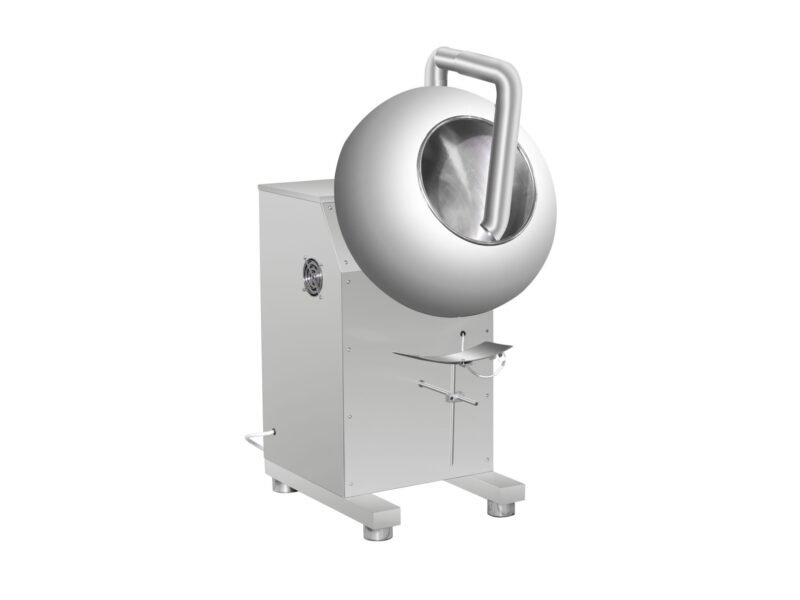
A new mechanical sound can be an early warning sign. Changes in vibration may also indicate problems involving bearings, drive components, loose fasteners, or rotating assemblies. Similar attention should be given to connected equipment, such as a tablet coating machine, where unusual vibration or operating sounds may also indicate a need for inspection.
The important point is not to diagnose a specific component from sound alone. Instead, an unusual change should trigger a controlled inspection.
Track Tablets Machine Tablet Quality
Tablet quality can provide useful information about equipment condition.
For example, recurring changes in:
- Tablet weight
- Thickness
- Hardness
- Appearance
- Capping or lamination
- Powder leakage
- Filling consistency
may indicate formulation, tooling, feeding, compression, or machine-related issues.
A tablets machine should therefore be evaluated together with process data rather than by mechanical condition alone.
Monitor Tablets Machine Alarms And Repeated Adjustments
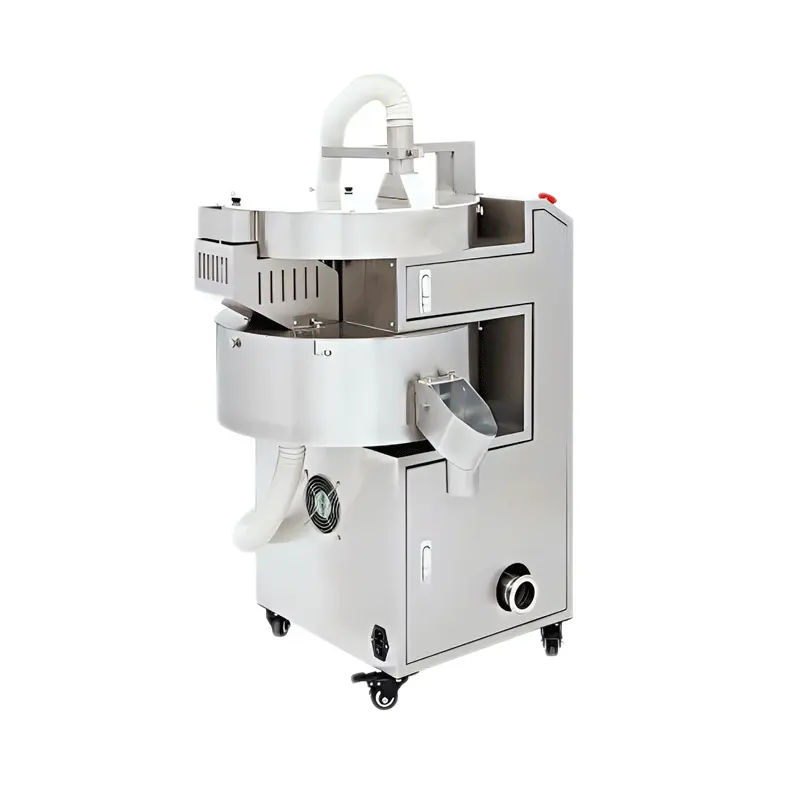
Repeated alarms are another useful warning signal. If operators repeatedly adjust the same tablets machine parameter to maintain acceptable production, maintenance personnel should investigate why the adjustment is becoming necessary. Similar attention may be required for downstream equipment such as a tablet deduster, where repeated alarms or frequent adjustments can also indicate developing maintenance issues.
A machine that technically remains operational may still be showing early deterioration.
Use Tablets Machine Maintenance Records To Reduce Downtime
Maintenance records are more than GMP documentation. They can provide valuable information for predicting future tablets machine problems.
A documented maintenance history can show how frequently components are inspected, adjusted, repaired, or replaced. This information helps maintenance teams identify recurring problems and determine whether an intervention is becoming necessary more frequently.
Record Tablets Machine Failures And Replacements
For each tablets machine intervention, records can include:
- Date and operating hours
- Component inspected
- Problem identified
- Corrective action
- Replacement part
- Responsible department
- Production impact
- Follow-up inspection
Over time, this information can reveal patterns.
For example, if the same tablets machine component requires repeated adjustment at increasingly shorter intervals, the maintenance team can investigate whether there is an underlying mechanical, alignment, lubrication, or operating issue.
Build A Tablets Machine Spare-Parts Strategy
Critical spare parts should be identified according to failure risk and lead time. Keeping every component in stock is not necessarily practical, but parts that could cause prolonged tablets machine downtime may deserve priority. The same planning approach can be applied to supporting equipment such as a capsule polisher machine, where critical replacement parts may also affect production continuity.
When planning spare parts, manufacturers should consider failure frequency, supplier lead time, production impact, component criticality, storage requirements, and correct part identification.
Final Tablets Machine Maintenance Considerations
Stable production depends on more than purchasing a reliable tablets machine. Equipment performance must be supported through cleaning, inspection, tooling management, wear-part replacement, condition monitoring, and documented maintenance.
The tablets machine maintenance schedule should reflect actual operating conditions rather than relying on a generic calendar alone. Daily inspections can identify visible problems, while weekly, monthly, and periodic checks provide deeper control of mechanical and electrical components.
Wear parts should be monitored before failure, especially punches, dies, seals, feeder components, bearings, and other parts that directly influence tablets machine performance. At the same time, production data such as tablet weight, thickness, appearance, alarms, vibration, and adjustment frequency can help identify developing problems.
A tablets manufacturing machine should also be maintained within the site’s GMP framework. Proper maintenance records can provide traceability and help demonstrate that equipment remains suitable for its intended manufacturing process.
The ultimate purpose of tablets machine maintenance is not simply to extend equipment life. It is to keep the production process controlled, reduce unexpected interruptions, support consistent tablet quality, and provide a documented basis for reliable pharmaceutical manufacturing.
FAQ
How often should a tablets machine be maintained?
Daily inspection should be combined with weekly, monthly, and periodic maintenance according to equipment design, operating hours, manufacturer recommendations, and site maintenance procedures. There is no universal replacement interval for every machine.
Which tablets machine parts usually require close monitoring?
Punches, dies, feeder components, seals, bearings, drive components, sensors, and other moving or wear-sensitive parts should receive appropriate inspection. Actual priorities depend on machine configuration and production conditions.
How can tablets machine maintenance reduce unexpected downtime?
Regular inspection, trend monitoring, timely wear-part replacement, maintenance records, and early investigation of abnormal noise, vibration, alarms, or tablet-quality changes can help identify developing problems before they result in major equipment failure.