


Choosing a suitable tablets making machine is an important decision for pharmaceutical manufacturers planning a new production line, expanding capacity, or replacing existing equipment. The right machine should do more than achieve a specified production speed. It should match the formulation, production volume, operating environment, cleaning requirements, quality standards, and long-term maintenance strategy.
In pharmaceutical production, equipment selection can influence production efficiency, tablet consistency, changeover time, operator workload, and operating costs. A machine with high theoretical output may not be suitable if the formulation is difficult to compress or if the equipment cannot support the required production controls.
A practical selection process should therefore evaluate the complete production requirement. Capacity, material compatibility, budget, automation requirements, GMP-related considerations, spare parts, technical support, and after-sales service should all be reviewed before purchasing a tablets making machine.
This approach also helps manufacturers avoid a common procurement mistake: selecting equipment mainly according to purchase price or advertised production speed.
Match the Tablets Making Machine With Required Production Capacity
Production capacity is usually one of the first specifications considered when purchasing a tablets making machine. However, manufacturers should distinguish between theoretical output and practical production capacity.
Theoretical output may be related to factors such as tooling configuration, number of stations, and operating speed. Actual output can be lower because of formulation characteristics, machine adjustments, cleaning, changeovers, inspections, rejects, and planned or unplanned downtime.
For this reason, production capacity should be calculated according to actual manufacturing requirements.
Consider Current and Future Production Demand
A pharmaceutical manufacturer should estimate the required output per batch, number of batches per shift, operating days, and expected future demand. Purchasing equipment that is significantly larger than necessary may increase capital expenditure and operating costs.
At the same time, selecting a machine with insufficient capacity can create production bottlenecks when demand increases.
A useful evaluation should consider:
- Current annual and monthly production requirements
- Expected future capacity expansion
- Number of products and batch sizes
- Planned operating hours
- Cleaning and changeover frequency
- Acceptable production downtime
A tablets making machine should provide sufficient working capacity while still allowing reasonable flexibility for different production schedules.
Do Not Select Equipment by Speed Alone
High operating speed does not automatically mean higher usable production. Powder flow, compressibility, lubrication, filling behavior, tablet dimensions, and compression requirements can all affect actual output.
Manufacturers should therefore request performance information under conditions similar to their own formulation and tooling configuration. Factory acceptance testing may also help verify that the selected equipment meets agreed technical requirements before final delivery.
Evaluate Tablets Making Machine Material Compatibility
Material compatibility is another critical factor when selecting a tablets making machine. Pharmaceutical powders can differ substantially in flowability, particle size, moisture content, bulk density, compressibility, and sensitivity to mechanical forces.
A machine that performs well with one formulation may require different settings or feeding arrangements for another.
Check Powder Feeding and Compression Requirements
Consistent die filling is essential for stable tablet weight. Poor powder flow can contribute to inconsistent filling, while excessive segregation may affect product uniformity.
The feeding system should therefore be evaluated according to the characteristics of the formulation. Manufacturers should also consider the required compression force, tablet dimensions, tooling configuration, and operating speed.
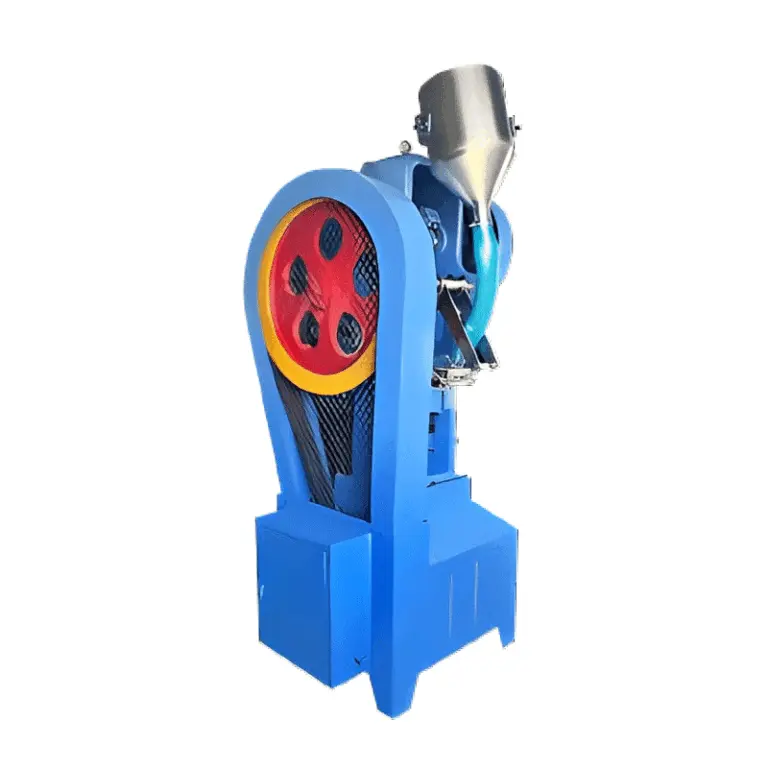
For new products, laboratory or pilot-scale testing can be useful before selecting a full production tablets making machine. A suitable single punch tablet press machine may also be considered during early-stage formulation development or small-batch trials where flexibility and lower output are more important than high-speed production.
Testing provides an opportunity to evaluate whether the formulation can be processed consistently within the required operating range.
Consider Product-Contact Materials
Product-contact surfaces should be suitable for the formulation and cleaning procedures. Stainless steel is widely used in pharmaceutical processing equipment because of its durability and cleanability, but the appropriate material grade and surface finish should be confirmed for the actual application.
Manufacturers should also examine powder-contact areas. Crevices, difficult-to-clean surfaces, and unnecessary material-retention points can increase cleaning challenges and changeover time.
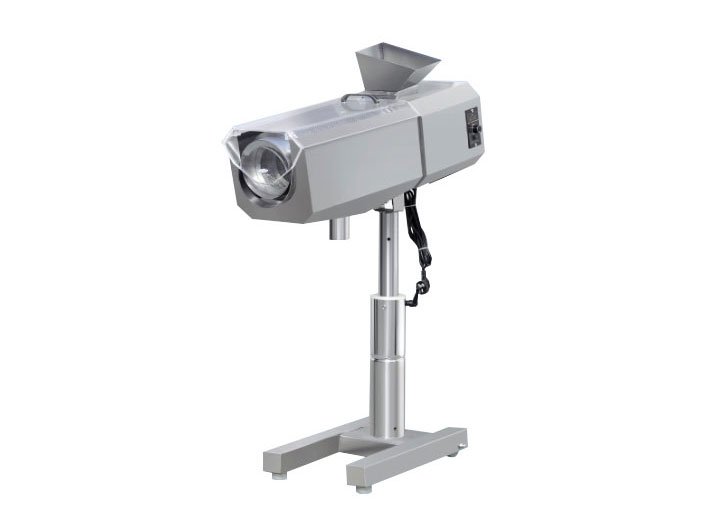
For equipment used alongside the compression process, downstream units should also be reviewed for suitable product-contact materials. For example, a tablet deduster should have a design that supports effective cleaning and routine pharmaceutical production requirements.
Select Tablets Making Machine Configuration for Production Scale
Production scale has a direct influence on equipment configuration. A small development facility, medium-scale manufacturer, and high-volume pharmaceutical plant may have very different requirements.
A tablets making machine should therefore be selected according to the role it will perform within the production system.
Equipment for Small and Development-Scale Production
Smaller operations may prioritize flexibility, easy changeover, compact installation, and lower initial investment. A smaller machine can be appropriate when manufacturers produce limited batches or frequently test different formulations.
For development work, flexibility may be more valuable than maximum output. The machine should allow operators and process engineers to evaluate compression parameters without introducing unnecessary equipment complexity.
A single punch configuration can be useful in some development and small-batch applications, while larger production requirements may require a different equipment configuration.
Equipment for Medium-Scale Batch Production
Medium-scale manufacturers normally need a balance between capacity, flexibility, automation, and operating cost.
At this stage, a tablets making machine may need to accommodate multiple products, different tablet sizes, and regular production changeovers. Tooling accessibility, cleaning time, parameter adjustment, and spare-part availability can therefore become important purchasing factors.
Manufacturers should also consider whether additional monitoring or automation can improve production consistency and reduce operator intervention.
Equipment for High-Volume Pharmaceutical Production
Large-scale facilities generally place greater emphasis on sustained output, process control, automation, reliability, and production continuity.
A high-capacity tablets making machine may need to work effectively with feeding, compression monitoring, dust control, product transfer, dedusting, inspection, and downstream packaging systems.
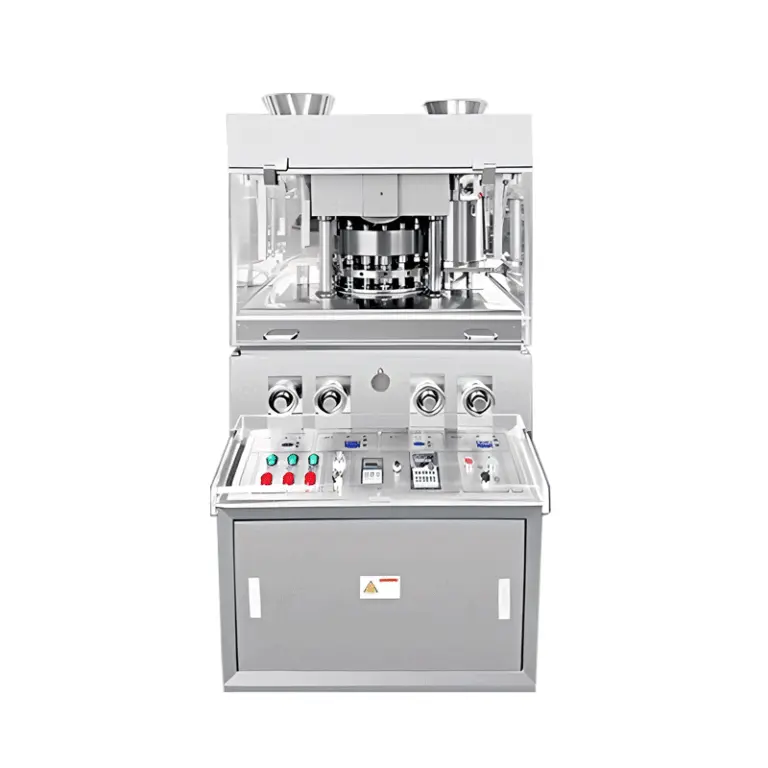
An automatic rotary tablet press may be considered where continuous high-volume compression and automated production control are required. The actual configuration should still be selected according to formulation characteristics, tablet specifications, required output, and production conditions.
The machine should therefore be considered as one part of a complete manufacturing system rather than as an isolated piece of equipment.
Compare Tablets Making Machine Budget and Total Cost
Purchase price is important, but it should not be the only financial consideration when evaluating a tablets making machine. A tablet press should also be assessed according to its expected operating and maintenance costs throughout its service life.
The total cost of ownership can include equipment purchase, installation, utilities, tooling, spare parts, preventive maintenance, cleaning, operator training, validation-related activities, and technical service.
Compare Initial Investment Carefully
A lower purchase price may appear attractive, but equipment with limited capacity, difficult cleaning procedures, poor accessibility, or expensive replacement parts may create higher costs during its operating life.
Conversely, purchasing a highly automated system when the production requirement is relatively simple may result in unnecessary capital expenditure.
Procurement teams should compare machines using consistent technical and financial specifications.
| Evaluation Area | Key Questions |
|---|---|
| Capacity | Does practical output meet production demand? |
| Materials | Can the machine handle the required formulations? |
| Tooling | Are required tablet sizes and shapes supported? |
| Cleaning | Can product-contact areas be cleaned efficiently? |
| Automation | Which parameters can be monitored or controlled? |
| Maintenance | Are wear parts accessible and replaceable? |
| Service | Is technical support available when required? |
| Expansion | Can the system support future production growth? |
Consider Long-Term Operating Costs
Energy consumption, maintenance frequency, tooling replacement, spare parts, and downtime can all affect the long-term cost of a tablets making machine.
Before purchasing, manufacturers should estimate expected operating costs and compare them with production requirements. This provides a more realistic basis for equipment selection than comparing purchase prices alone.
Check Tablets Making Machine Cleaning and GMP Requirements
Cleaning is a major consideration because pharmaceutical equipment may be exposed to different formulations and frequent product changeovers.
A suitable tablets making machine should support practical cleaning and inspection procedures while minimizing areas where powder can accumulate.
Evaluate Cleanability Before Purchase
During equipment evaluation, manufacturers should inspect powder-contact surfaces, removable components, seals, feeding areas, tooling areas, and other locations where material could accumulate.
A practical cleaning assessment should include:
- Identify components requiring removal.
- Review cleaning methods and permitted cleaning agents.
- Check accessibility of product-contact areas.
- Evaluate drying and reassembly requirements.
- Confirm cleaning inspection and documentation procedures.
This assessment can reveal potential maintenance and changeover problems before the machine enters routine production.
Consider GMP-Related Equipment Controls
Good manufacturing practice principles emphasize that production equipment should be suitable for its intended use and maintained and cleaned according to established procedures.
The tablets making machine should therefore be evaluated as part of the wider pharmaceutical manufacturing system. Equipment design, cleaning, maintenance, inspection, operating controls, and documentation should support the manufacturer’s established quality procedures.
Manufacturers should also determine which operating parameters require monitoring and documentation. The required level of automation should be based on actual process needs rather than simply on the number of available machine functions.
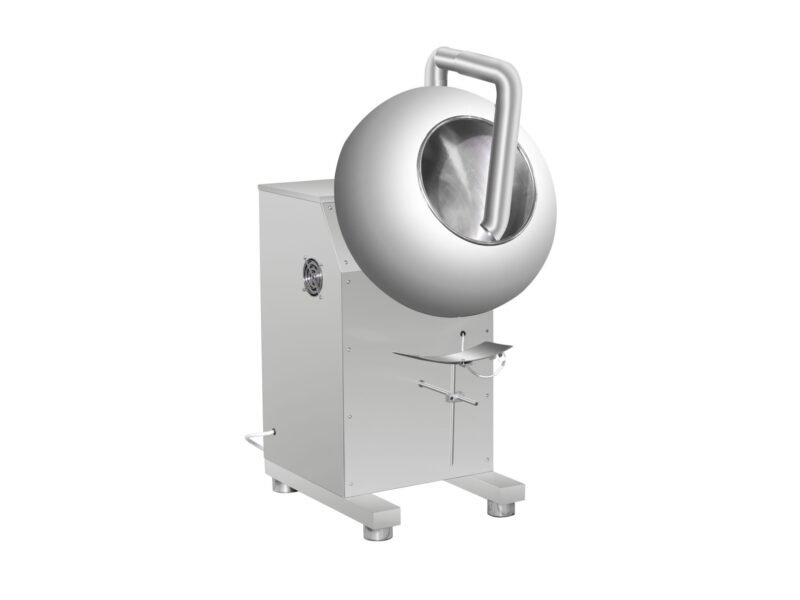
Where film coating is part of the wider production process, supporting equipment such as a tablet coating machine should also be assessed for cleaning access, material compatibility, and integration with the overall production workflow.
Build a Practical Tablets Making Machine Selection Process
A systematic selection process allows technical, production, quality, and purchasing teams to evaluate the same requirements.
The following sequence can be used when comparing a tablets making machine for pharmaceutical production:
- Define current and future production capacity.
- Document formulation and material characteristics.
- Establish tablet dimensions, weight, and compression requirements.
- Define cleaning, GMP, and documentation expectations.
- Compare suitable machine configurations.
- Request technical specifications and performance information.
- Evaluate total cost of ownership.
- Review spare parts, training, and after-sales support.
- Conduct testing or acceptance procedures where appropriate.
- Select the configuration that matches documented production requirements.
This process helps shift the purchasing decision from a simple equipment-price comparison toward a more complete technical evaluation.
FAQ
What is the most important factor when choosing a tablets making machine?
Production capacity, formulation compatibility, and tablet requirements should be considered together. Capacity alone does not determine whether a machine is suitable.
Should manufacturers choose the highest-capacity tablets making machine?
Not necessarily. Equipment capacity should match current production demand and reasonable future growth. Excess capacity can increase investment and operating costs.
Why is after-sales service important for a tablets making machine?
Technical support, spare parts, training, and maintenance assistance can influence equipment availability and production continuity throughout the machine’s service life.