HPLC
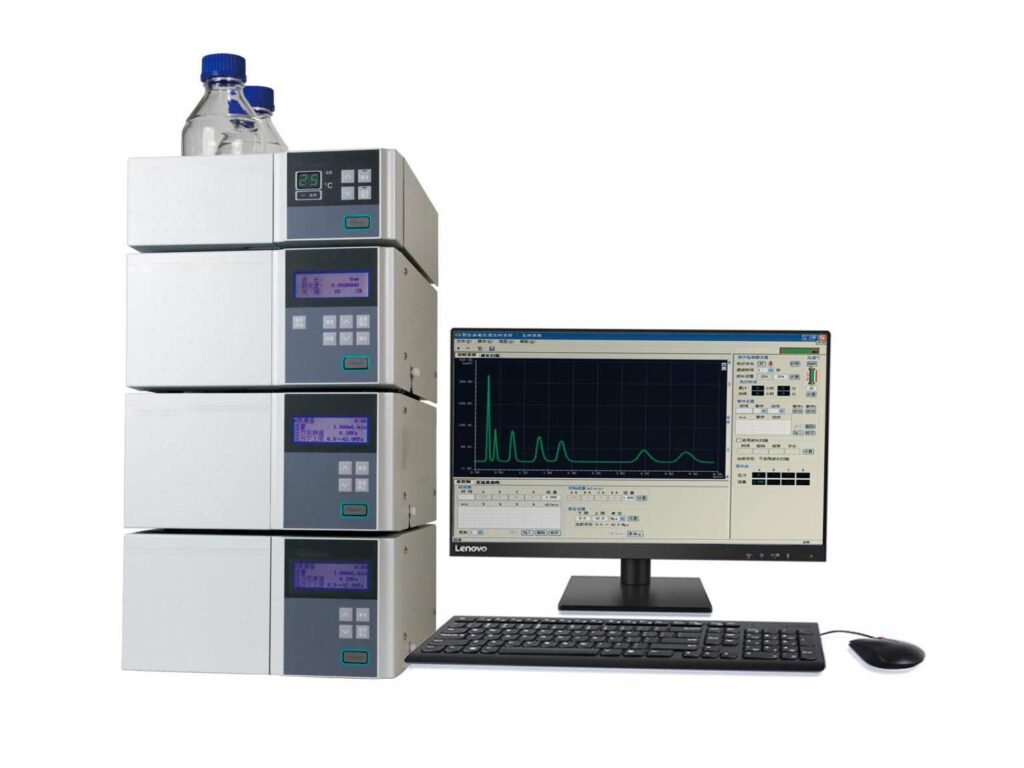
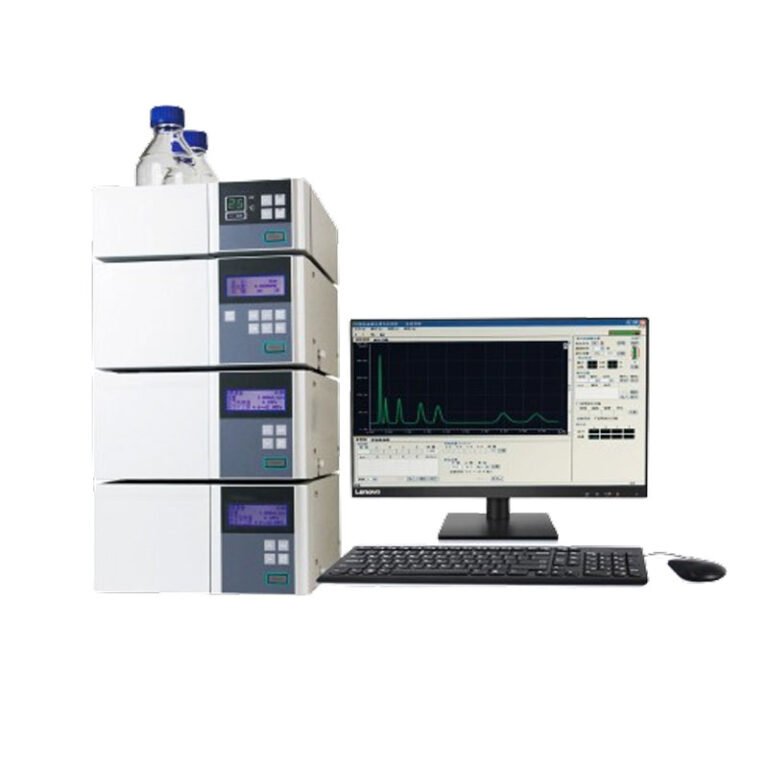
High-Performance Liquid Chromatography (HPLC) systems represent the “gold standard” in the field of analytical chemistry, offering exceptional precision in the separation, identification, and quantitative analysis of individual components within complex liquid mixtures. These systems utilize high-pressure pumps to drive samples through chromatographic columns packed with specialized adsorbent materials, thereby yielding rapid and highly reproducible results for both qualitative and quantitative analysis.
Specifically engineered to meet the rigorous demands of pharmaceutical R&D and quality control, these HPLC instruments feature low dead-volume designs, high-sensitivity detectors, and sophisticated solvent delivery modules. Whether employed for assessing drug purity, identifying impurities, or conducting stability studies, these systems ensure full compliance with global regulatory standards, establishing them as indispensable tools in modern laboratory operations.
Product Display
Benefits
Equipped with advanced optical detectors and high-precision chromatographic columns, this system accurately identifies even the most minute impurities a capability critical to ensuring pharmaceutical safety.
Leveraging a dual-piston reciprocating pump design, the system maintains an exceptionally stable and pulse-free solvent flow rate.
The integrated autosampler enables the continuous, unattended injection of dozens of samples. This minimizes manual intervention, reduces the risk of sample contamination, and significantly boosts the laboratory's daily analytical throughput.
Featuring a modular design, the system allows users to easily swap columns, switch detectors, or add a degasser to meet the specific requirements of their mobile phases and analytes.
Dedicated chromatography software provides robust audit trail capabilities, electronic signature mechanisms, and multi-level user access management.
Equipped with advanced optical detectors and high-precision chromatographic columns, this system accurately identifies even the most minute impurities a capability critical to ensuring pharmaceutical safety.
Leveraging a dual-piston reciprocating pump design, the system maintains an exceptionally stable and pulse-free solvent flow rate.
The integrated autosampler enables the continuous, unattended injection of dozens of samples. This minimizes manual intervention, reduces the risk of sample contamination, and significantly boosts the laboratory's daily analytical throughput.
Featuring a modular design, the system allows users to easily swap columns, switch detectors, or add a degasser to meet the specific requirements of their mobile phases and analytes.
Dedicated chromatography software provides robust audit trail capabilities, electronic signature mechanisms, and multi-level user access management.
Application
The most common application used to determine the exact concentration of the Active Pharmaceutical Ingredient (API) in a finished tablet, capsule, or injectable, ensuring it meets the labeled dosage.
Used to identify and quantify degradation products or manufacturing by-products. This is essential for long-term stability testing to ensure the drug remains safe for consumption throughout its shelf life.
Applied in clinical research to measure drug concentrations in biological fluids. This helps scientists understand how a drug is absorbed and metabolized within the human body.
Used to verify the levels of vitamins, antioxidants, and herbal extracts in supplements. HPLC ensures that complex natural ingredients are accurately quantified despite their multi-component nature.
Applied to detect pesticide residues, mycotoxins, or illegal additives in food and water samples, ensuring they fall within the permissible limits set by global health organizations.
FAQ
What is the difference between HPLC and UHPLC?
Compared to standard HPLC, UHPLC (Ultra-High Performance Liquid Chromatography) utilizes higher pressures and employs columns packed with finer particles. This results in significantly faster analysis speeds and higher resolution, although the initial acquisition cost is relatively higher.
Which detector should I choose for my specific application?
For compounds exhibiting light-absorbing properties, a UV-Vis detector or a Diode Array Detector (DAD) is the standard choice. For substances lacking chromophores (such as carbohydrates), a Refractive Index Detector (RID) or an Evaporative Light Scattering Detector (ELSD) is recommended.
How often should HPLC columns be replaced?
The lifespan of a column depends on the purity of the samples and the conditions of the mobile phase. Typically, when combined with proper sample filtration and the use of a guard column, a high-quality column can withstand 500 to 1,000 injections before its performance begins to degrade.
Why is a degasser essential in an HPLC system?
Dissolved air in the mobile phase can form bubbles inside the pump or detector, leading to baseline noise and flow rate instability. An in-line degasser automatically removes these dissolved gases, thereby ensuring a stable and reliable baseline.
Does the software support compliance with 21 CFR Part 11 regulations?
Yes. Professional Chromatography Data Systems (CDS) feature built-in mandatory functions such as unalterable audit trails and secure user authentication mechanisms which are critical for any laboratory operating under FDA or GMP regulatory frameworks.
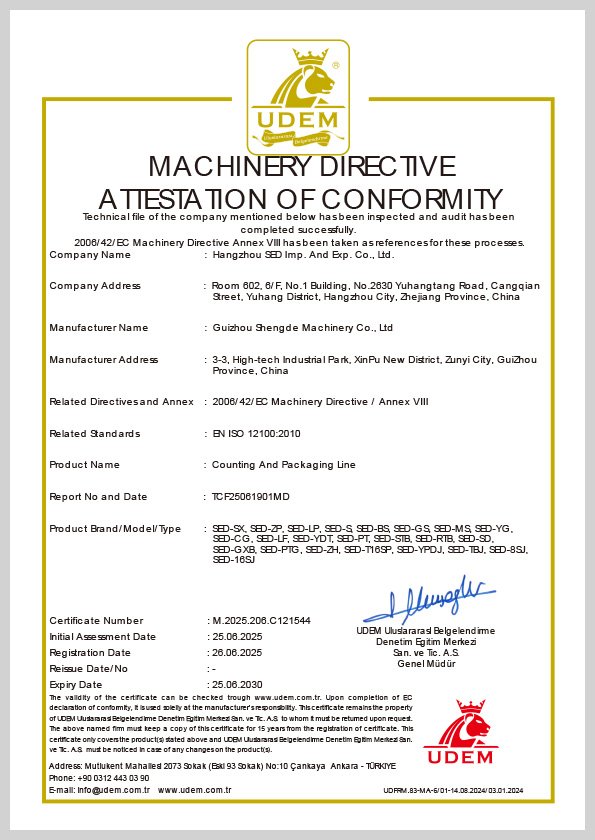
Unlock Your Medicine Production Potential. Speak with an Innoval Pharma Expert to Tailor Your Solution.
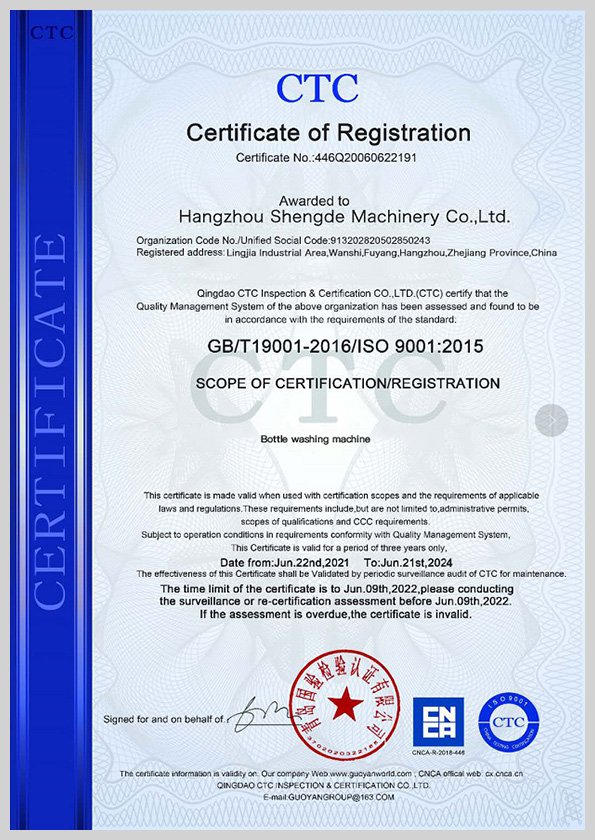
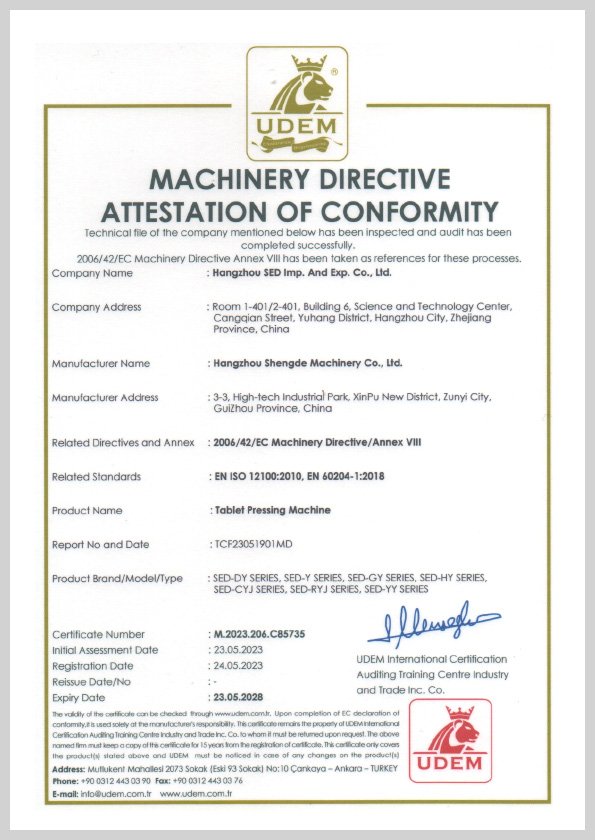
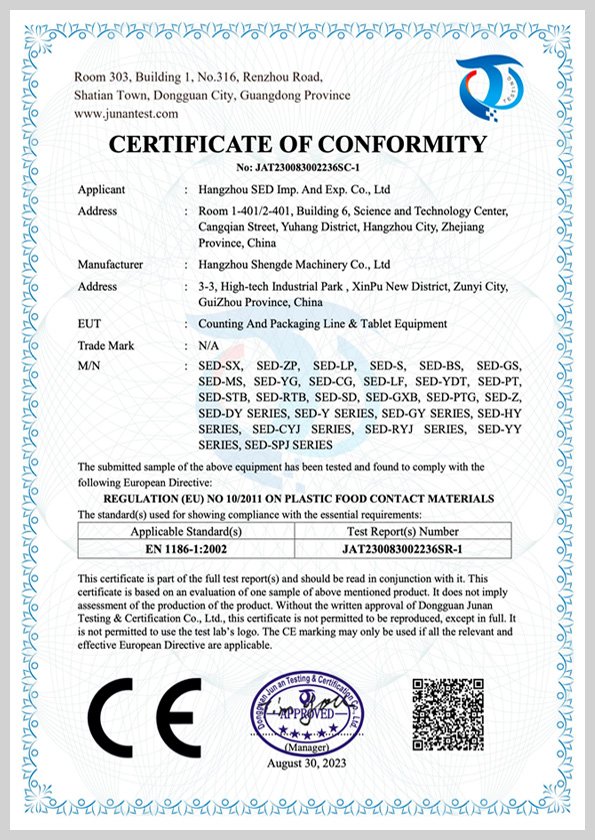
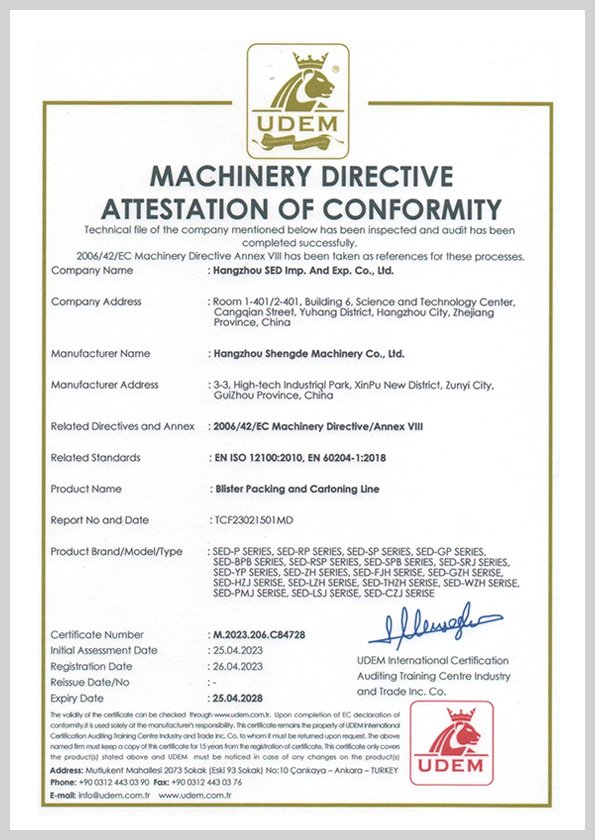
Certificates


Related Products
Contact Info
Call Us
+1(323)215-9729 (North/South America)
sales@innovalpharma.com
+1(213)258-7721
After Service
+1(909)230-8253 (North/South America)