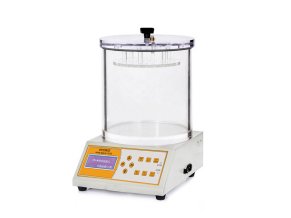
Leak Detector
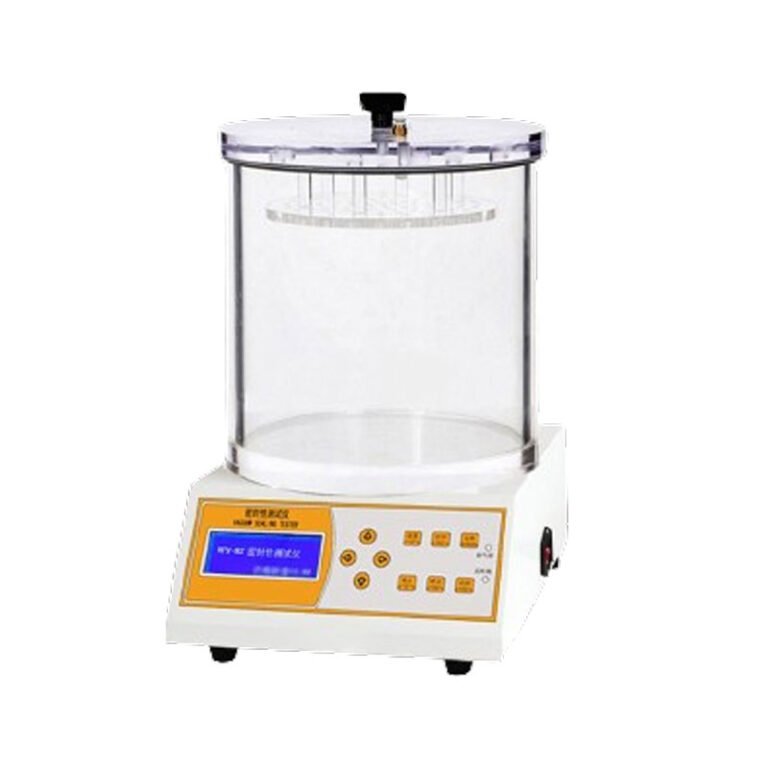
Leak detection systems are critical quality control instruments used to verify the seal integrity of various packaging formats, thereby ensuring that pharmaceuticals, food products, and cosmetics remain sterile and free from contamination throughout their entire shelf life. By employing non-destructive testing techniques—such as vacuum decay, pressure decay, or High Voltage Leak Detection (HVLD)—these systems are capable of identifying minute leak points (measuring merely in the micron range) that are imperceptible to the naked eye.
Product Display
Benefits
Unlike traditional inspection methods that require the destruction of samples, non-destructive leak detection technology allows tested products to be returned directly to the production line. This significantly reduces material waste and lowers the overall quality control costs associated with expensive pharmaceutical formulations.
Leveraging high-precision pressure sensors or high-pressure transducers, this technology offers exceptional sensitivity—a critical attribute for maintaining the sterile barrier integrity of life-saving injectable medications.
By eliminating subjective human interpretation from the inspection process, the equipment provides clear "Pass/Fail" determinations based on objective digital parameters. This ensures data consistency across different operators and production shifts.
Advanced vacuum or pressure systems enable high-sensitivity leak detection to be completed in just a few seconds. This rapid testing speed not only facilitates more frequent sampling but also enables 100% full-coverage inspection without creating any bottlenecks within the manufacturing workflow.
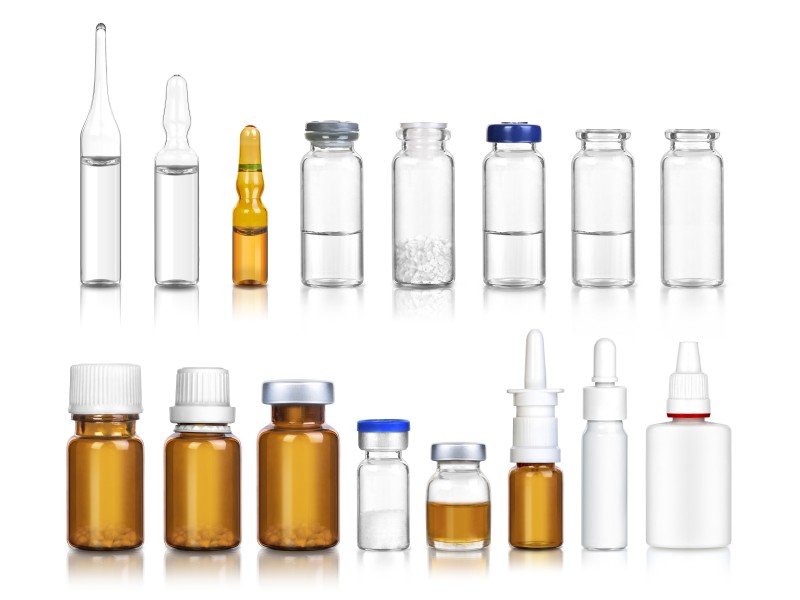
Modern leak detection systems are designed with interchangeable test chambers or flexible diaphragms, allowing a single unit to accommodate a wide variety of product formats—ranging from rigid glass vials and plastic bottles to flexible pouches and blister packs.
Unlike traditional inspection methods that require the destruction of samples, non-destructive leak detection technology allows tested products to be returned directly to the production line. This significantly reduces material waste and lowers the overall quality control costs associated with expensive pharmaceutical formulations.
Leveraging high-precision pressure sensors or high-pressure transducers, this technology offers exceptional sensitivity—a critical attribute for maintaining the sterile barrier integrity of life-saving injectable medications.
By eliminating subjective human interpretation from the inspection process, the equipment provides clear "Pass/Fail" determinations based on objective digital parameters. This ensures data consistency across different operators and production shifts.
Advanced vacuum or pressure systems enable high-sensitivity leak detection to be completed in just a few seconds. This rapid testing speed not only facilitates more frequent sampling but also enables 100% full-coverage inspection without creating any bottlenecks within the manufacturing workflow.
Modern leak detection systems are designed with interchangeable test chambers or flexible diaphragms, allowing a single unit to accommodate a wide variety of product formats—ranging from rigid glass vials and plastic bottles to flexible pouches and blister packs.
Application
Leak detectors utilize vacuum decay methods or high-pressure technologies to detect cracks in glass containers or defects in stopper seals, thereby preventing potential risks of contamination.
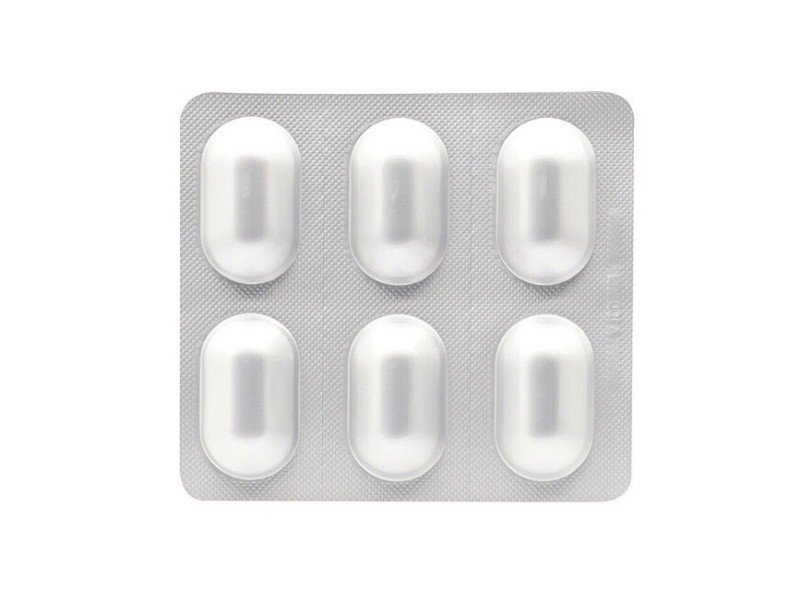
These systems detect "micro-channels" within the seal area or pinholes in the aluminum foil, preventing the ingress of moisture or oxygen that could lead to product spoilage.
For syringes, the leak detection process aims to prevent drug leakage and safeguard against the loss of therapeutic efficacy caused by exposure to air.
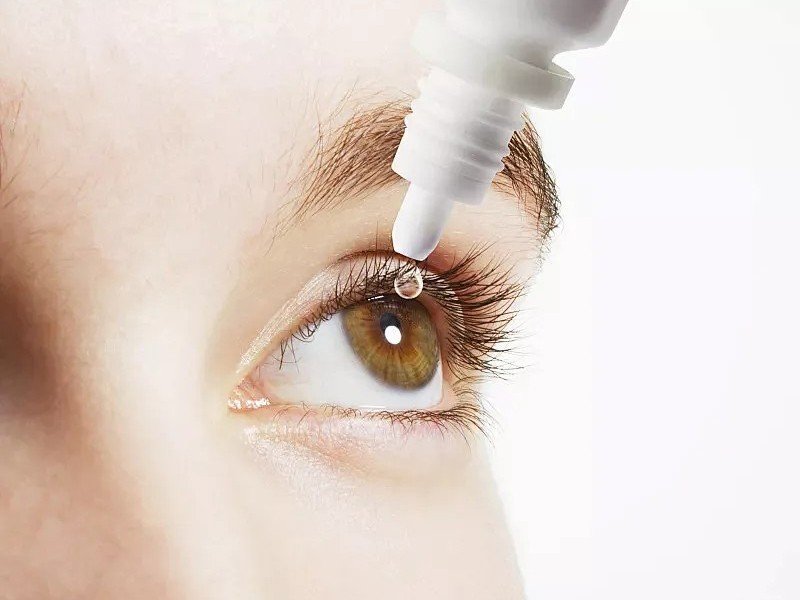
Specifically designed to inspect the cap torque and dropper seal integrity of plastic containers, these systems ensure that the liquid contents remain securely contained during transit or in the event of atmospheric pressure fluctuations.
These systems ensure that the nitrogen or carbon dioxide gas introduced into snack or fresh food packaging bags remains effectively sealed within the package, thereby preventing premature food spoilage and extending shelf life.
FAQ
What is the difference between the Vacuum Decay Method and the Blue Dye Penetration Method?
The Blue Dye Penetration Method is a destructive testing technique that relies on visual inspection to identify leak sites; consequently, it is subjective in nature. In contrast, the Vacuum Decay Method is a non-destructive, digital testing technique that measures pressure changes to provide objective and traceable “Pass/Fail” results.
Can these devices detect leaks in flexible packaging?
Yes. For flexible pouches and blister packs, we utilize specialized test chambers equipped with flexible membranes. These membranes conform tightly to the contours of the packaging, enabling sensors to detect even the most minute volume or pressure changes caused by a leak.
Does this system comply with USP standards?
Absolutely. All of our state-of-the-art leak detection systems are designed in strict compliance with the requirements of USP <1207>, a standard that advocates for the use of deterministic (quantitative) leak detection methods over probabilistic (subjective) ones.
Can containers filled with liquid be tested?
Yes. Depending on the characteristics of the product being tested, we employ High Voltage Leak Detection (HVLD) technology for conductive liquids, while utilizing the Vacuum Decay Method for non-conductive samples. Both methods are highly effective for detecting leaks in liquid-filled containers.
How do I calibrate the leak detector?
Calibration is typically performed using “Certified Defect Masters” or calibrated micro-hole leak standards. These standards simulate leaks of a known size and are used during routine verification checks to confirm that the machine can accurately detect holes of specific dimensions.
Unlock Your Medicine Production Potential. Speak with an Innoval Pharma Expert to Tailor Your Solution.
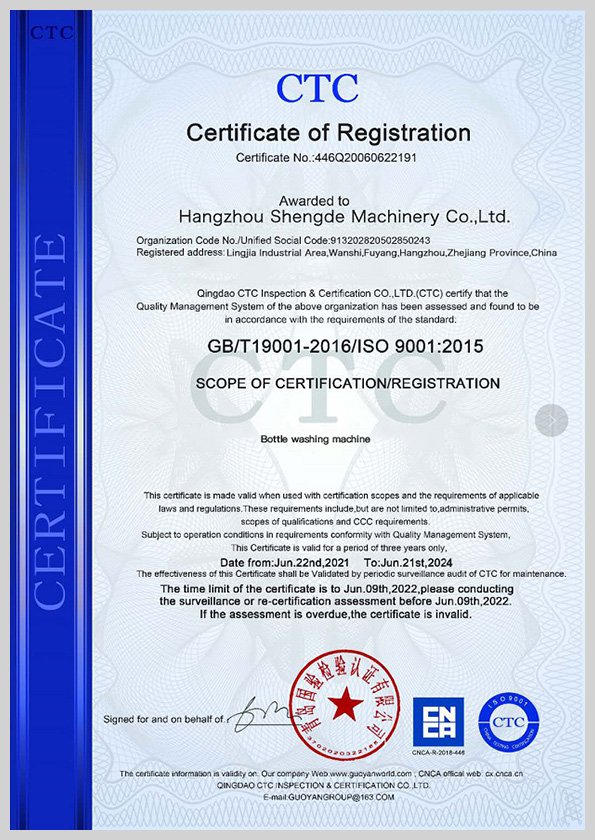
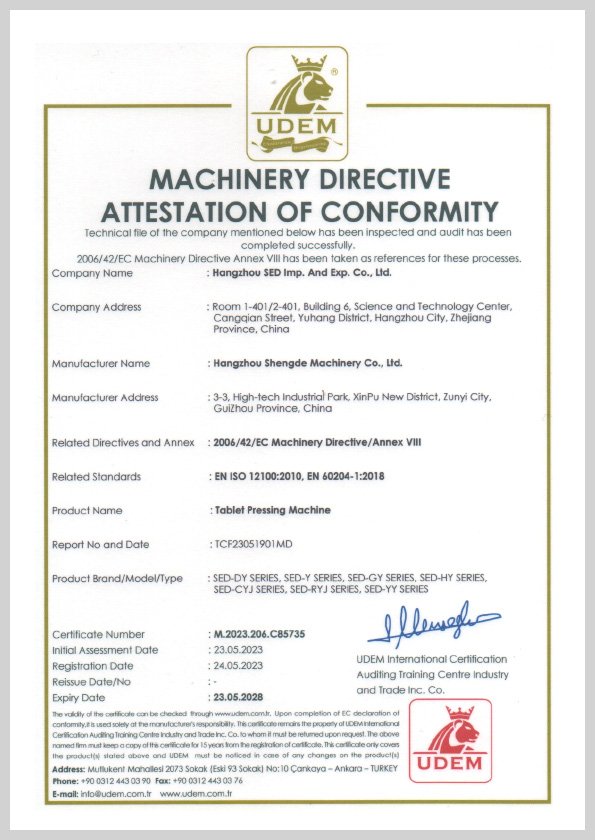
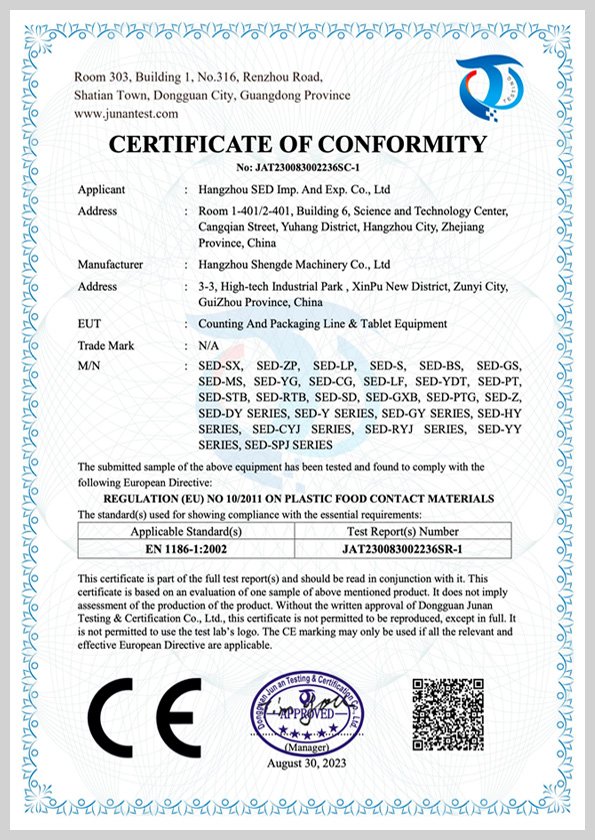
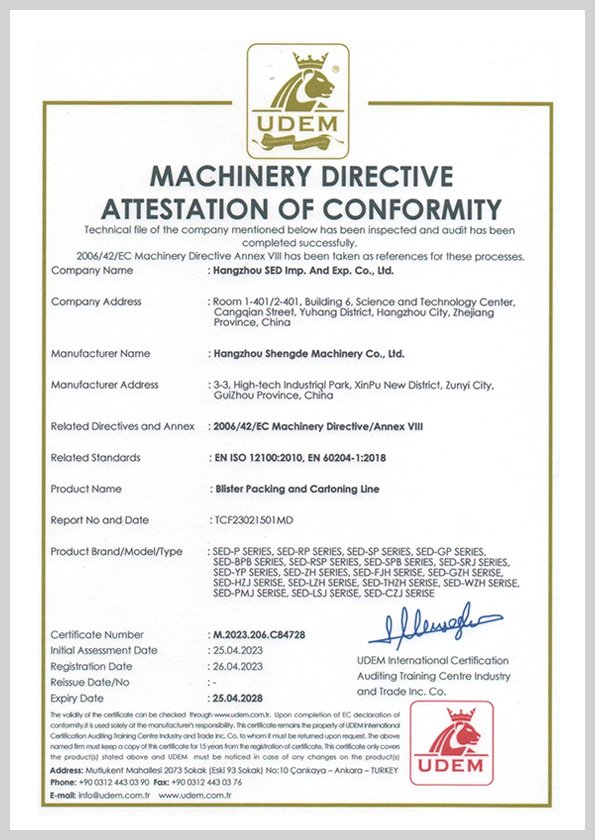
Certificates


Related Products
Contact Info
Call Us
+1(323)215-9729 (North/South America)
sales@innovalpharma.com
+1(213)258-7721
After Service
+1(909)230-8253 (North/South America)