


In modern pharmaceutical manufacturing, the pharmaceutical bottle filling machine line represents the critical junction where drug products transition from bulk formulation into their final, patient-ready containers. A fully integrated line—spanning bottle washing, filling, capping, and labeling—is not merely a collection of individual machines but a synchronized system where each station must operate in precise harmony to maintain product integrity, sterility, and production efficiency.
The design of such lines must balance multiple competing priorities: throughput capacity, cleanroom classification requirements, equipment footprint, regulatory compliance (particularly FDA CGMP and ISPE guidelines), and operational flexibility for batch changeovers. Proper material handling starts with reliable upstream equipment including the bottle unscrambler to ensure consistent feeding of containers. This article provides a comprehensive breakdown of the full-line design from washing through capping, with specific capacity configurations at 3,000, 6,000, and 12,000 bottles per hour (BPH), along with practical footprint estimations to support facility planning.
.jpg)
Understanding the Complete Production Workflow
A typical pharmaceutical bottling line follows a sequential workflow that can be divided into four primary stages, each with distinct equipment requirements and critical control parameters, ranging from filling and sealing stations to the final packaging machine for finished product containment.
Stage 1 – Bottle Washing and Preparation
The process begins with the bottle washing machine in pharmaceutical industry applications, which serves as the first line of defense against contamination. Modern washing systems employ multi-stage cleaning protocols that typically include:
Ultrasonic rough washing: High-frequency sound waves create microscopic cavitation bubbles that dislodge particulate matter from bottle surfaces.
High-pressure water rinsing: Multiple rinsing stations using recycled water, purified water, and finally Water for Injection (WFI).
Compressed air purging: Removes residual moisture and prepares bottles for subsequent drying and sterilization.
For aseptic applications, the washing stage is followed by a depyrogenation tunnel that uses heated unidirectional HEPA-filtered air to achieve validated endotoxin reduction under Grade A/ISO 5 conditions.
Stage 2 – Filling
The filling station is the heart of any pharmaceutical bottle filling machine line. Filling accuracy directly impacts product quality and yield. Common filling technologies include:
Peristaltic pump filling: Ideal for liquid products, offering accuracy of ±2% with no cross-contamination risk.
Ceramic pump filling: Provides higher precision (≤±1%) for injectable and high-value products.
Screw filling: Used for dry powder formulations.
Advanced filling systems incorporate “no bottle, no fill” functionality and automatic counting to prevent product waste.
Stage 3 – Capping
Capping operations must achieve consistent torque application to ensure container closure integrity. Typical capping systems offer torque ranges of 50–450 Ncm with accuracy better than ±10 Ncm. The capping success rate in well-designed lines exceeds 99%.
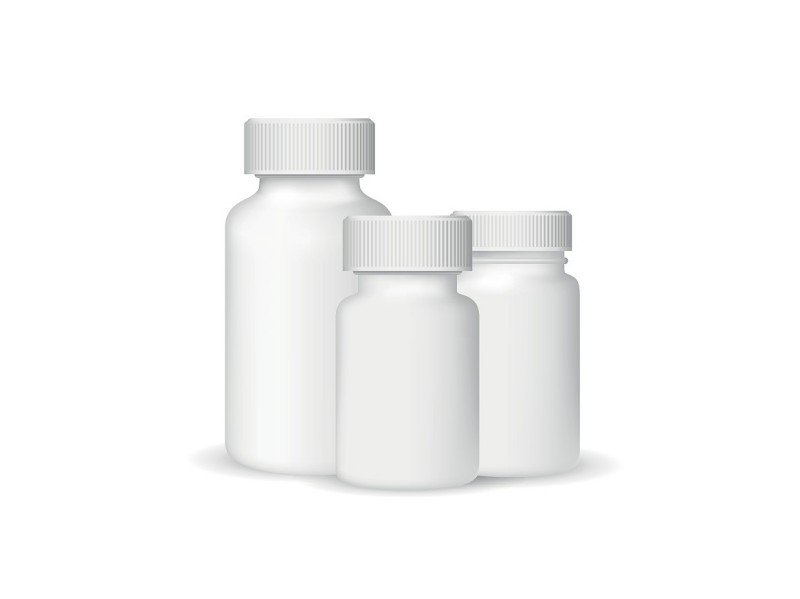
Stage 4 – Labeling
The final stage applies primary labels containing critical product information, lot numbers, and expiration dates. Labeling systems must integrate seamlessly with upstream operations to maintain line speed without creating bottlenecks. Modern labeling machines can handle up to 36,000 containers per hour with precise label application.
Line Layout and Design Principles
The physical arrangement of equipment significantly impacts both operational efficiency and contamination control. ISPE guidelines emphasize that equipment integration must be addressed in the early stages of design, considering operating heights, maintenance access, material flows, and delivery logistics for all core units including the powder filling machine.
Straight-Line vs. Compact Layouts
Two primary layout approaches dominate pharmaceutical bottling line design:
Straight-line layouts arrange equipment sequentially in a linear configuration. This approach reduces the risk of cross-contamination by maintaining unidirectional material flow and simplifies access for maintenance and cleaning.
Compact integrated layouts combine multiple functions—washing, filling, and capping—into a single monoblock unit. These systems offer smaller footprints and reduced operator requirements but may present challenges for maintenance access and changeover flexibility.
Cleanroom Zoning Considerations
Pharmaceutical filling lines must operate within defined cleanroom classifications:
Grade A/ISO 5: Critical zones where filling and stoppering occur, requiring unidirectional airflow and strict environmental monitoring.
Grade B/ISO 7: Background environment for aseptic filling operations.
Grade C/ISO 8: Support areas for less critical operations like washing and preparation.
The line layout must incorporate appropriate airlocks, material transfer systems, and personnel flow patterns to maintain these classifications.
Capacity Configuration Table
| Parameter | 3,000 BPH Line | 6,000 BPH Line | 12,000 BPH Line |
|---|---|---|---|
| Typical Application | Small-batch / R&D / Contract manufacturing | Mid-volume production | High-volume commercial production |
| Filling Heads | 2–4 | 4–8 | 8–16 |
| Washing Method | Linear ultrasonic | Rotary ultrasonic | High-speed rotary ultrasonic |
| Capping Type | Linear screw capping | Rotary screw capping | High-speed rotary capping |
| Filling Accuracy | ±2% | ±1–2% | ≤±1% |
| Capping Success Rate | ≥99% | ≥99% | ≥99.5% |
| Total Power | ~15–25 kW | ~35–50 kW | ~60–85 kW |
| Compressed Air | 20–40 m³/h | 40–60 m³/h | 60–100 m³/h |
| Water Consumption | 0.3–0.6 m³/h | 0.6–1.0 m³/h | 1.0–1.5 m³/h |
Station-by-Station Technical Breakdown
Bottle Washing Station
The washing station sets the foundation for product quality. Prior to the cleaning sequence, bottles are fed through a dedicated bottle unscrambler, which aligns and orientates containers for smooth and consistent transfer into the washing process. Key technical specifications include:
Ultrasonic washing systems typically achieve cleaning clarity exceeding 99%. The washing process follows a sequence of:
Bottle infeed and orientation (handled by the unscrambler)
Ultrasonic rough washing in a cleaning tank
High-pressure circulating water rinse (outer wall)
Spray needle insertion for internal washing with circulating water
Compressed air purge
Purified water rinse
Final compressed air drying
The bottle washing machine in pharmaceutical industry applications must be constructed from 304/316L stainless steel and designed for easy cleaning and validation. Water consumption typically ranges from 0.4–1.0 m³/h depending on capacity and bottle size.
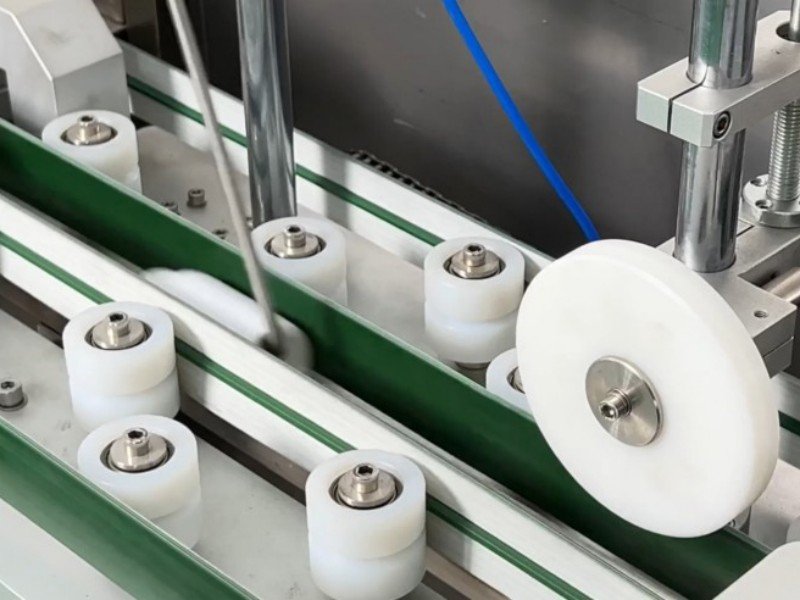
Filling Station
The filling station must deliver consistent accuracy while maintaining product sterility. Critical considerations include:
Filling precision: Pharmacopoeia standards typically require filling accuracy of ±0.5–2%, depending on product type and container volume. High-end systems achieve ≤±1% accuracy.
Pump selection depends on product characteristics:
Peristaltic pumps: Best for shear-sensitive or sterile liquids
Ceramic pumps: Highest precision for valuable or potent products
Stainless steel piston pumps: Suitable for viscous liquids
No-bottle-no-fill functionality is standard on modern systems, preventing product waste and maintaining clean operations.
Capping Station
Capping integrity is essential for product shelf life and patient safety. The capping station must:
Apply consistent torque within specified ranges (typically 50–450 Ncm for standard applications)
Achieve capping success rates exceeding 99%
Accommodate various cap types (screw caps, crimp caps, snap caps)
Include torque verification systems for quality assurance
Changeover efficiency is critical for multi-product facilities. Modern capping systems format changes in less than five minutes, minimizing downtime between batches.
Labeling Station
The labeling station completes the primary packaging process. Key requirements include:
Precise label placement meeting regulatory requirements
Integration with serialization and track-and-trace systems
Compatibility with various label materials and adhesive systems
Ability to handle the full range of bottle sizes processed by the line
Conclusion
Designing and implementing a pharmaceutical bottle filling machine line from washing through capping requires careful attention to capacity requirements, cleanroom classification, equipment integration, and regulatory compliance. The three capacity configurations—3,000, 6,000, and 12,000 BPH—offer scalable solutions for manufacturers ranging from small-batch specialty producers to high-volume commercial operations.
Key success factors include:
Selecting appropriate filling technology for product characteristics
Ensuring seamless integration between washing, filling, capping, and labeling stations
Maintaining strict contamination control through cleanroom design and validated cleaning procedures
Planning for future scalability and operational flexibility
By following the design principles and technical specifications outlined in this article, pharmaceutical manufacturers can develop bottling lines that deliver consistent product quality, operational efficiency, and regulatory compliance across the full production spectrum.
FAQ
What is the typical payback period for investing in a pharmaceutical bottle filling machine line?
Payback periods typically range from 18 to 36 months depending on production volume, product value, and labor savings. High-volume lines (12,000 BPH) generally achieve faster payback due to economies of scale, while smaller lines may require 2–3 years to recoup investment through reduced outsourcing costs and improved batch consistency.
Can a single pharmaceutical bottle filling machine line handle multiple bottle sizes and product types?
Yes, modern lines are designed with quick-change tooling and recipe-based control systems that enable rapid changeovers. However, significant size changes (e.g., from 5ml vials to 500ml bottles) may require major components. Many manufacturers design lines for a primary size range with limited flexibility for occasional runs of other sizes.
What is the minimum cleanroom classification required for a pharmaceutical bottling line?
The required cleanroom classification depends on the product type. Aseptic filling of sterile products requires Grade A/ISO 5 conditions in the critical filling zone with Grade B/ISO 7 background. Non-sterile oral liquids and syrups typically operate in Grade C/ISO 8 or Grade D environments, though specific requirements vary by regulatory jurisdiction and product risk assessment.