


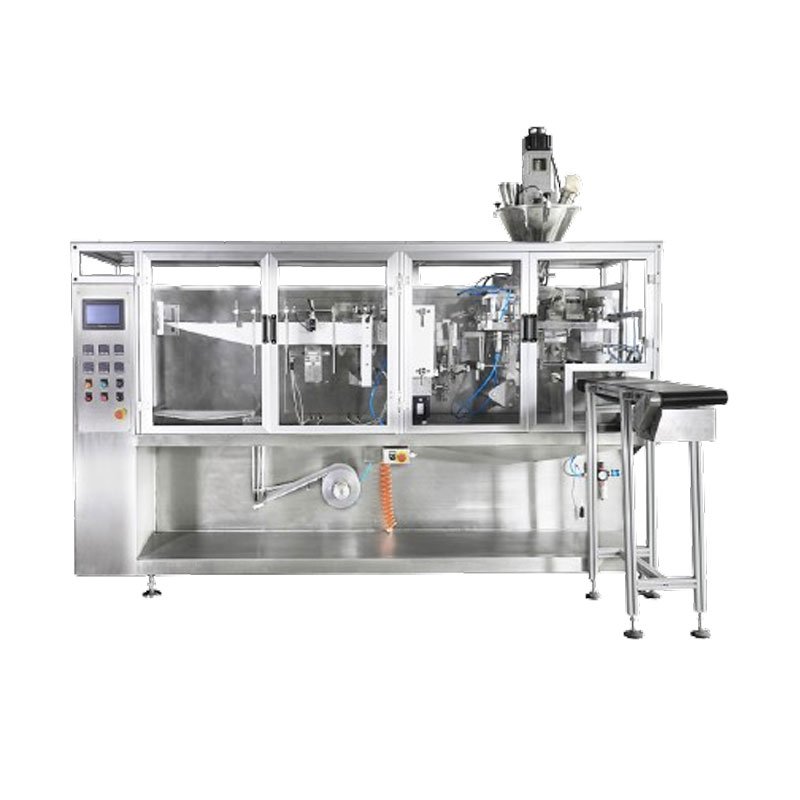
What a pharmaceutical machine actually does
At its core, a pharmaceutical machine turns raw ingredients into finished, safe pharmaceutical products ready for distribution. That broad scope covers critical operations: blending active and excipient powders, drying materials with equipment such as the vacuum dryer, forming uniform unit doses, filling vials or capsules, securely sealing finished packs, and feeding completed products into the cartoning machine. Because the pharmaceutical sector is tightly regulated under global GMP frameworks, pharmaceutical machinery has to do more than simply run fast at high throughput. It must stay easy to sanitise to prevent cross-contamination, maintain strict manufacturing tolerances batch after batch, and leave a clear, auditable data trail to satisfy regulatory inspectors.
Why it matters
- Consistent dosing across every batch to ensure precise API concentrations, uniform product quality, and full alignment with global pharmacopoeial standards
- Reduced contamination risks and human error through automated, closed-system operations that enhance operator safety and protect patient wellbeing
- Easier validation, documentation, and audit readiness to streamline GMP compliance and minimize delays during regulatory inspections
- Lower material waste, fewer production interruptions, and higher overall output to improve efficiency, reduce operational costs, and maximize yield
How the machines work together on a line
No single pharmaceutical machine runs in isolation within modern manufacturing facilities. Think of your production floor as a precisely coordinated relay system. Powder handling equipment feeds material steadily into a capsule filler, drying units stabilise intermediate products to maintain formulation quality, a capsule polisher tidies exterior surfaces, the tablet deduster removes residual powder from solid dosage forms, and dedicated sterilization equipment locks in end-to-end product safety. When one step lags due to mismatched speeds or operational limitations, every process upstream and downstream immediately feels the bottleneck impact. That is why smart buyers map out the full production chain before ordering a single processing unit. Matching operating speeds, intermediate buffer vessel sizes, and standardised cleaning cycles across your pharmaceutical machinery prevents workflow disruptions. This holistic alignment keeps overall output steady and predictable, which matters far more than the headline maximum capacity advertised on any individual machine specification sheet.
Main types you’ll compare
Each pharmaceutical machine owns one stage. The trick is fit, not just specs. A filler that outpaces your dryer only creates a bottleneck somewhere else.
| Machine type | Main job | Where it shines |
|---|---|---|
Capsule filling machine | Filling hard capsules | Dose accuracy |
Powder handling system | Moving and dosing powders | Clean transfer |
Drying under low pressure | Heat-sensitive material | |
Dryer dehydrator | Removing moisture | Stable, uniform output |
Capsule polisher | Cleaning filled capsules | Neat finish |
Autoclave | Steam sterilization | Contamination control |

Where these machines get used
- Tablet and capsule manufacturing
- Liquid and suspension filling
- Cream and ointment processing
- Sterile filling and sealing
- Labeling and secondary packaging

Maintenance and lifecycle costs
The purchase price is only the opening chapter of your equipment’s total cost of ownership. Over a decade of continuous operation, recurring expenses including spare parts procurement, product changeover time, energy consumption, and unplanned downtime often outweigh the upfront capital you initially paid. A well-supported pharmaceutical machine, such as a capsule filling machine, holds its value over years because critical replacement parts remain readily available, and professional service technicians are fully familiar with its design and common faults. Before you commit to any equipment order, ask clear questions: how easy the unit is to fully clean and validate, how long typical maintenance repairs take to complete, and whether operational and compliance training is included in the package. Consistent preventive care, carried out strictly on schedule, keeps pharmaceutical industry machines running within official operational specifications. It also significantly shortens the gap between a minor mechanical fault and a costly full production stoppage.
Trends shaping 2026 and beyond
Final thoughts
The right pharmaceutical machine is the one that fits your process, supports your paperwork, and scales as you grow. It must align precisely with your existing production workflows, simplify GMP documentation and validation requirements, and accommodate higher output or new product lines as your business expands, including seamless integration with process equipment such as the vacuum dryer. Whether you need pharmaceutical machinery for solids, liquids, or packaging, prioritize hygiene, reliability, and service above upfront costs. Robust cleanroom-compatible design reduces contamination risks, consistent performance limits unplanned downtime, and responsive after-sales support keeps operations running smoothly. Do that, and every pharmaceutical processing machine on your floor works for you, not against you, creating stable, compliant, and cost-effective manufacturing for years ahead.
FAQ
What matters most when buying a pharmaceutical machine?
Compliance stands as the foremost priority for pharmaceutical production to meet strict industry regulatory standards. Superior cleanability minimizes cross-contamination risks and simplifies daily equipment sanitization in cleanroom environments.
Can one machine run several products?
A single machine can handle multiple products under proper conditions. Operators must implement thorough cleaning and validation procedures between different items to eliminate cross-contamination risks. Certain high-precision pharmaceutical devices are only suitable for single-product manufacturing.
Why does documentation matter so much?
Comprehensive equipment documentation serves as essential evidence to pass official pharmaceutical regulatory audits. Thorough written records enable maintenance teams to carry out consistent repairs and minimise unexpected production downtime. Standardised manuals, test reports and validation files streamline traceability work and help facilities fully satisfy global GMP standards.