


A manual capsule filler is a compact, cost-effective tool for low-volume capsule filling, widely used in pharmaceutical and nutraceutical laboratory R&D, small-batch sampling and trial production. It requires no power supply or complex operation, ideal for formula testing and small-scale trials. This article covers its standard operation steps, pros and cons, practical small-batch tips, and a simple comparison with the semi automatic capsule filling machine.
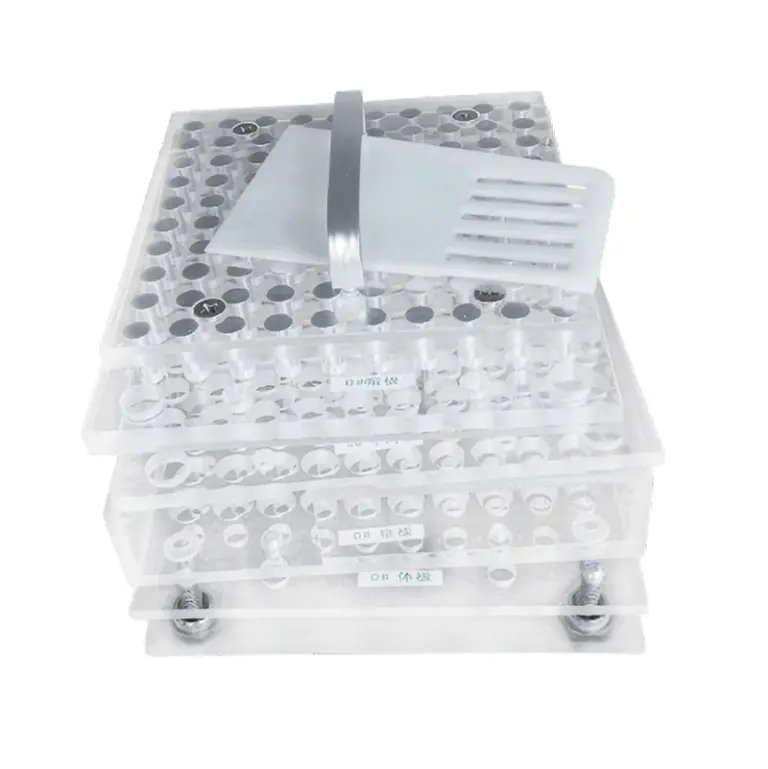
Standard Operation Steps of Manual Capsule Filler
roper operation of a manual capsule filler ensures consistent filling weight, intact capsules and clean production. Follow these standardized steps for reliable small-batch results.
- Pre-operation Preparation: Clean and disinfect the manual capsule filler thoroughly. Prepare intact empty capsules, well-screened filling materials and weighing tools, and discard defective capsules.
- Capsule Plate Placement: Separate capsule bodies and caps, then place them upright and neatly into the filler plate holes without tilting.
- Powder Filling & Leveling: Spread materials evenly over the plate, level repeatedly with a scraper, and fill all capsule bodies uniformly to avoid underfilling.
- Capsule Locking & Demolding: Align the cap and body plates, press evenly to seal capsules tightly, then demold and collect finished products.
- Post-operation Cleaning: Disassemble, clean and dry all parts of the manual capsule filler, then store in a dry, dust-free space.
Pros and Cons of Manual Capsule Filler
The manual capsule filler has obvious advantages and limitations, fitting specific small-batch and lab scenarios. The table below summarizes its key pros and cons for quick reference.
Advantages | Disadvantages |
Low cost and zero power needed; compact and space-saving. Extremely low learning threshold, easy for lab researchers to operate, disassemble and clean, effectively avoiding cross-contamination in R&D tests. | Limited production efficiency, only for small batches. Slightly higher manual filling errors than automated devices. Long operation easily causes fatigue and cannot adapt to poor-fluidity or sticky materials. |
Small Batch Application Tips for Manual Capsule Filler
For laboratory R&D and small‑batch trial production, a manual capsule filler delivers flexible and convenient filling, while the semi‑automatic capsule filling machine serves as a viable upgrade option when output requirements grow. These practical tips can greatly improve sample yield and test stability.
- Preprocess Raw Materials: Sieve and crush materials to ensure uniform fineness and good fluidity, preventing hollow filling and weight deviation in lab tests.
- Stable Lab Environment: Keep the space dry and low-humidity to avoid powder agglomeration and capsule mildew during sample storage.
- Regular Sampling Calibration: Weigh finished capsules randomly during filling to adjust filling volume and control weight errors within industry standards.
- Match Capsule Sizes: Select suitable capsule specifications based on material density to prevent underfilling or capsule cracking.
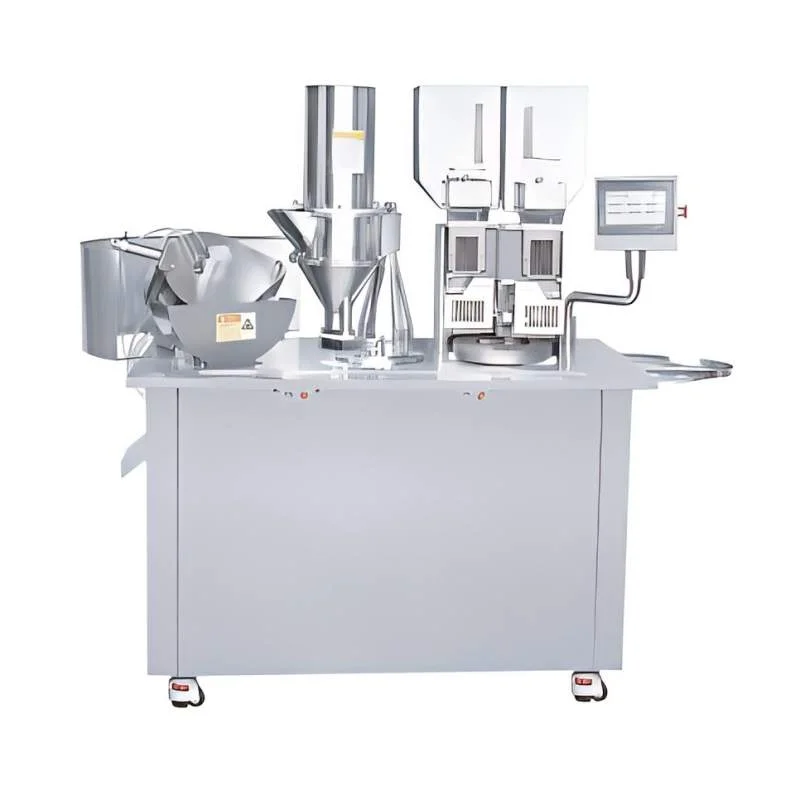
Manual Capsule Filler vs Semi Automatic Capsule Filling Machine
It is critical to differentiate a manual capsule filler from a semi automatic capsule filling machine for equipment selection. The manual type suits lab R&D and tiny batches, while the semi automatic capsule filling machine features higher precision and speed, perfect for medium small-batch commercial trial production.
FAQ
What batch size is a manual capsule filler suitable for?
A manual capsule filler is ideal for 50–2000 capsules per batch, fully catering to laboratory formula testing and pre-production sampling.
Is the filling accuracy of a manual capsule filler sufficient for R&D experiments?
Yes. Standard operation of a manual capsule filler keeps weight errors within the allowable range, meeting basic R&D data accuracy requirements.
What materials are not suitable for manual capsule filler filling?
Highly viscous, agglomerating and ultra-fine light powders are unsuitable, as they cause uneven filling, floating powder and blockages, lowering sample quality.