


The Strategic Importance of Supplier Selection
For procurement managers and business buyers in the pharmaceutical manufacturing sector, selecting the right supplier for capsule filling machine equipment is a critical decision that impacts production efficiency, regulatory compliance, and long-term operational costs. The global pharmaceutical machinery market offers a vast array of options, but not all suppliers are equal in their ability to deliver machines that meet stringent Good Manufacturing Practice (GMP) standards.
A poorly chosen capsule filling machine can lead to production downtime, regulatory audit failures, product recalls, and significant financial losses—a single pharmaceutical recall can cost $10 million or more when investigation, remediation, lost revenue, and reputational damage are factored in. Conversely, a well-vetted supplier partnership ensures reliable production, smooth regulatory inspections, and optimal total cost of ownership.
This article presents ten core vetting rules that global buyers should apply when evaluating potential capsule filling machine suppliers. These rules are derived from regulatory requirements (FDA, EMA, WHO), industry best practices (ISPE, ICH), and real-world procurement experience.
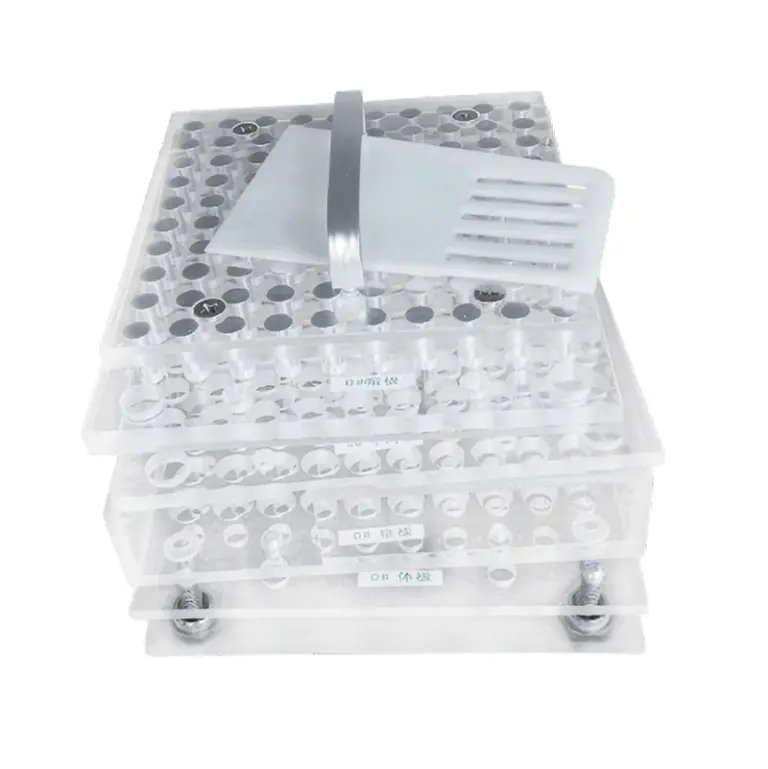
GMP Compliance and Regulatory Certification for Capsule Filling Machine Suppliers
The foundation of any supplier evaluation is regulatory compliance. A qualified capsule filling machine must be designed, manufactured, and documented in accordance with GMP principles. According to Part I, Chapter 3 of the EU GMP Guide, equipment must be designed and installed in such a way that it is suitable for its intended purpose and allows for easy cleaning, calibration, and maintenance. Similarly, the FDA requires in 21 CFR §§ 211.63-67 that all equipment used in manufacturing is of appropriate design.
When vetting suppliers, prioritize those who hold internationally recognized certifications including:
ISO 9001 (quality management system)
CE marking (European safety standards)
Adherence to GMP guidelines for pharmaceutical equipment
For FDA-regulated markets, ensure the supplier supports compliance with 21 CFR Part 11 for electronic records and signatures
It is important to note that no equipment is inherently “GMP certified”—a machine supplier cannot validate your equipment for you. However, a GMP-compliant capsule filling machine supplier should provide comprehensive validation documentation packages, including material certifications, weld maps, user access controls, audit trails, and validation-ready software.
Production Capacity and Output Matching for Capsule Filling Machine Selection
One of the most common pitfalls in capsule filling machine procurement—particularly for high-speed automated systems, as opposed to a manual capsule filling filler where output depends entirely on operator dexterity—is selecting equipment based on theoretical maximum speeds rather than actual production capacity. Suppliers who quote the same maximum speed for all capsule models demonstrate unprofessionalism and should be eliminated from consideration.
The actual output of a capsule filling machine depends on multiple factors:
Capsule size (larger capsules typically have lower throughput due to fewer die holes)
Product characteristics (powder flow, density, compressibility)
Operating conditions and operator efficiency
Industry benchmarks for capsule filling machine output ranges include:
When evaluating a capsule filling machine, always request:
Theoretical speed vs. actual speed data for your specific capsule sizes
Test reports or third-party validation data from organizations like TÜV, SGS, or Bureau Veritas
An opportunity to test your own materials on the machine before shipment
| Machine Class | Output Range (capsules/hour) | Typical Application |
|---|---|---|
| Laboratory/R&D | Up to 42,000 | Clinical trials, small batch production |
| Medium-speed | 84,000 – 92,000 | Medium batch production |
| High-speed | 150,000 – 175,000 | Large-scale commercial production |
| Ultra-high-speed | 210,000 – 228,000 | High-volume manufacturing |
Validation Documentation and Qualification Support for Capsule Filling Machine Procurement
A reliable capsule filling machine supplier should offer full IQ/OQ/PQ (Installation, Operational, and Performance Qualification) documentation packages. The complete validation lifecycle spans from User Requirements Specification (URS) through Continued Process Verification (CPV), typically requiring 8 to 16 weeks for full execution.
The qualification phases for a capsule filling machine include:
Design Qualification (DQ): Confirms the proposed design against the URS
Installation Qualification (IQ): Verifies the delivered installation, utilities, contact-part records, instruments, drawings, and calibration status
Operational Qualification (OQ): Challenges functions across approved operating ranges, including speed setpoints, capsule separation, reject logic, and alarms
Performance Qualification (PQ): Demonstrates consistent performance with your product, trained operators, and approved procedures
PQ acceptance criteria for capsule fillers typically require:
Fill weight RSD under 2%
Content uniformity of 85-115%
Batch yield of 98% or higher across three consecutive batches
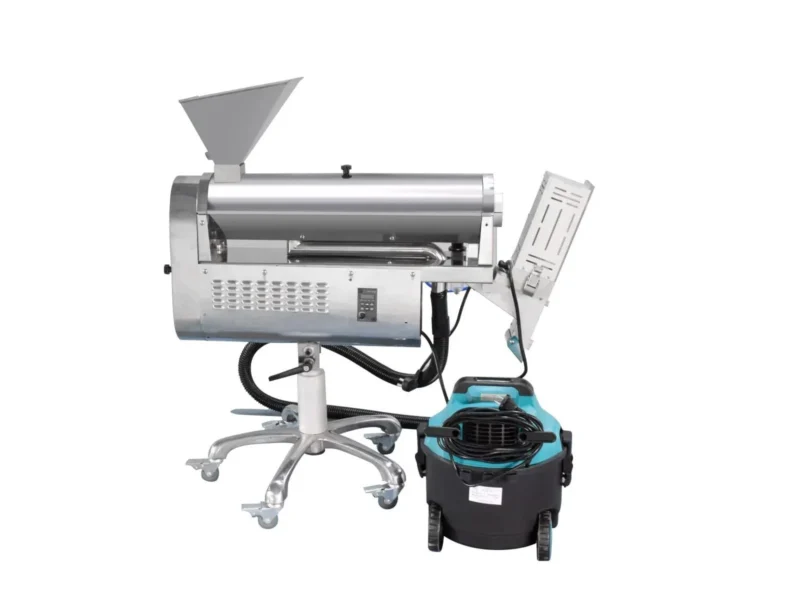
Suppliers should provide validation templates, certificates, manuals, diagrams, and technical support throughout the qualification process. Automated capsule filling machine systems with PLC and HMI controls—and any integrated auxiliary equipment such as a capsule polisher—also require Computerized System Validation (CSV) aligned with GAMP 5 and 21 CFR Part 11. The validation scope should encompass the entire filling line, ensuring that the capsule polisher’s operation, cleaning routines, and data recording are validated in conjunction with the filler’s control system to maintain data integrity and GMP compliance across all unit operations.
After-Sales Support and Service Infrastructure for Capsule Filling Machine Suppliers
The purchase of a capsule filling machine is the beginning of a long-term relationship, not a one-time transaction. A supplier’s after-sales support infrastructure directly affects your machine’s uptime and production reliability.
Essential after-sales service components include:
Installation and debugging support on-site
Usage tutorials and operator training
Troubleshooting assistance
Mold and part replacements
When evaluating a capsule filling machine supplier, confirm:
Availability of multilingual technical support
Spare parts inventories in your region or accessible distribution centers
Remote troubleshooting capabilities via IoT-enabled monitoring systems
On-site engineer availability for overseas service
Warranty terms and extended service options
A supplier’s reorder rate can serve as a strong indicator of customer satisfaction and ongoing support reliability.
Spare Parts Availability and Supply Chain for Capsule Filling Machine Maintenance
Perhaps no single factor causes more production disruption than the unavailability of spare parts for a capsule filling machine. If spare parts are not stocked or readily available, the only solution is to wait for replacement parts to arrive before proceeding with repairs.
When vetting suppliers, evaluate their spare parts supply chain:
Change parts (size-specific tooling sets including dosator discs, tamping pins, segment plates, capsule body and cap holders) must be available for each capsule size you intend to run
Suppliers should maintain on-site inventory of critical wear parts
Documented inventory systems should track parts by capsule size and machine model
Consider whether the supplier offers consolidated purchasing for part repair, refurbishment, and upgrades
A capsule filling machine with a robust spare parts supply chain minimizes downtime and ensures continuity of production.
Technical Performance and Filling Accuracy of Capsule Filling Machine Equipment
| Performance Metric | Industry Standard |
|---|---|
| Filling accuracy | Within ±3% tolerance |
| OEE (Overall Equipment Effectiveness) | Exceeding 95% |
| Dust containment efficiency | >99.95% |
| Changeover capability | Between capsule sizes (e.g., size 00 to size 5) |
Quality Management System and Manufacturing Capability of Capsule Filling Machine Suppliers
A supplier’s internal quality management system (QMS) is a direct indicator of their ability to deliver consistent, high-quality capsule filling machine equipment. Regulatory guidance from FDA, EMA, ICH, and WHO emphasizes a risk-based supplier quality program: perform supplier qualification audits for critical vendors, review their quality management system and compliance history, and follow up with corrective actions and approvals.
Key elements to audit in a capsule filling machine supplier’s QMS:
Documentation control and change management procedures
Calibration and maintenance records for manufacturing equipment
Previous audit reports and corrective action plans
Material traceability for all components
Quality agreements defining installation and maintenance support
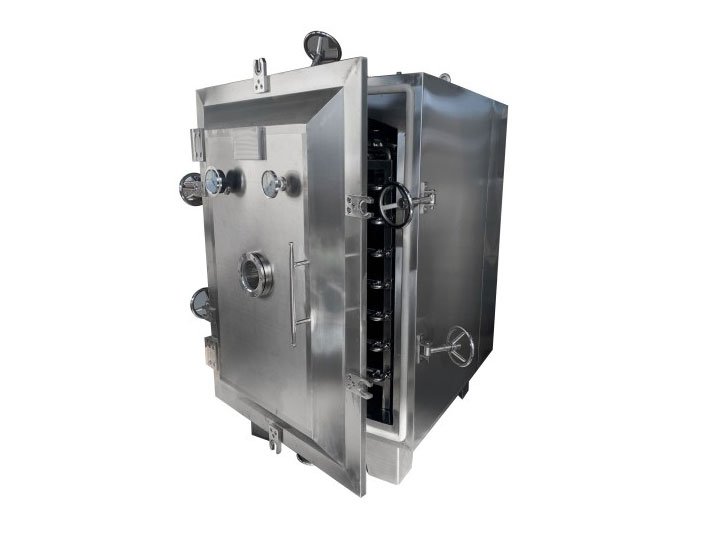
High-risk equipment—including capsule filling machine systems, vacuum dryers, and any equipment with direct product contact—requires the most stringent evaluation process, including comprehensive GMP audits and validation documentation. Conduct on-site or remote audits of potential suppliers to assess their facilities, processes, and quality control systems.
Factory Acceptance Testing and Site Acceptance Testing for Capsule Filling Machine Purchases
Before a capsule filling machine is shipped, buyers should insist on Factory Acceptance Testing (FAT) at the supplier’s facility. This is not merely a formality—it is a critical opportunity to verify that the machine performs as specified with your actual materials.
A rigorous FAT process for a capsule filling machine should include:
Testing with your own capsules and powders (several kilograms)
Verification of production speed under real conditions
Validation of filling accuracy across the operating range
Assessment of cleaning effectiveness and changeover times
Documentation of all test results and deviations
Site Acceptance Testing (SAT) follows installation at your facility and serves as the bridge between FAT and formal IQ/OQ/PQ qualification. A structured audit program—supported by comprehensive documentation from a GMP-savvy supplier—ensures your new capsule filling machine arrives “audit-ready” for IQ/OQ qualification and GMP use.
A Structured Approach to Capsule Filling Machine Supplier Selection
Selecting the right capsule filling machine supplier is a multi-dimensional process that requires rigorous evaluation across regulatory, technical, operational, and commercial criteria. The ten rules presented in this guide provide a comprehensive framework for global buyers:
GMP Compliance and Regulatory Certification
Production Capacity and Output Matching
Validation Documentation and Qualification Support
After-Sales Support and Service Infrastructure
Spare Parts Availability and Supply Chain
Technical Performance and Filling Accuracy
Quality Management System and Manufacturing Capability
Factory Acceptance Testing and Site Acceptance Testing
Total Cost of Ownership Transparency
References, Track Record, and Industry Reputation
By applying these vetting rules systematically, buyers can mitigate risks, ensure regulatory compliance, and establish long-term partnerships with capsule filling machine suppliers that deliver reliable, high-performance equipment. The investment in thorough supplier qualification pays dividends through reduced downtime, consistent product quality, and successful regulatory inspections.
FAQ
What is the difference between a “GMP-compliant” capsule filling machine and a “GMP-certified” machine?
No capsule filling machine is inherently “GMP certified.” Suppliers cannot validate equipment on your behalf. A GMP-compliant capsule filling machine is designed and manufactured according to GMP principles and comes with comprehensive documentation (material certifications, weld maps, user access controls, audit trails) that supports your own qualification and validation activities. The ultimate responsibility for equipment qualification—including IQ, OQ, and PQ—rests with the pharmaceutical manufacturer.
How long does the full validation process for a capsule filling machine typically take?
The complete capsule filling machine validation lifecycle spans from User Requirements Specification (URS) through Continued Process Verification (CPV), typically requiring 8 to 16 weeks for full execution. This includes DQ, FAT, SAT, IQ, OQ, and PQ phases, each with pre-approved protocols and signed reports. Suppliers should provide validation templates and technical support throughout, but site-specific adaptation against your URS and SOPs is required.
What are the most critical spare parts I should ensure are readily available for my capsule filling machine?
The most critical spare parts for a capsule filling machine include change parts (dosator discs, tamping pins, segment plates, capsule body and cap holders) specific to each capsule size you run, as well as wear parts such as drive cams, lubricating felts, seals, and rubberized rollers. Suppliers should maintain documented inventory systems and offer consolidated purchasing options for part repair and refurbishment.