Antibiotic Equipment
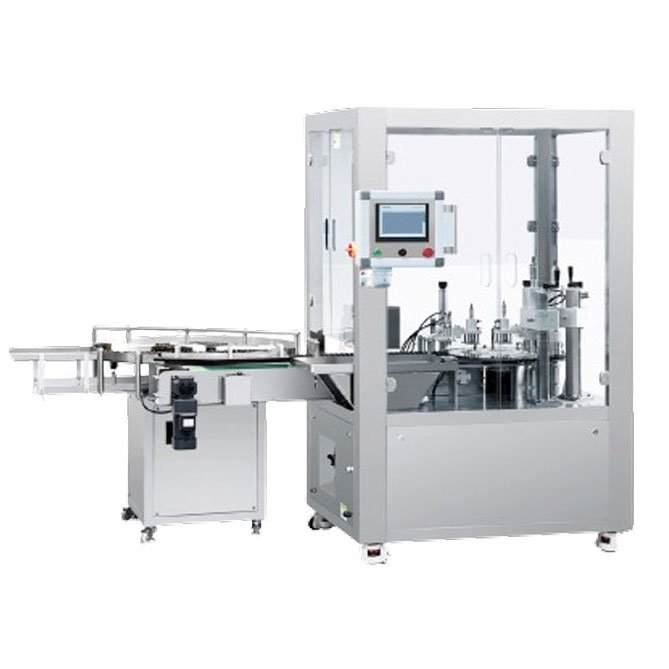
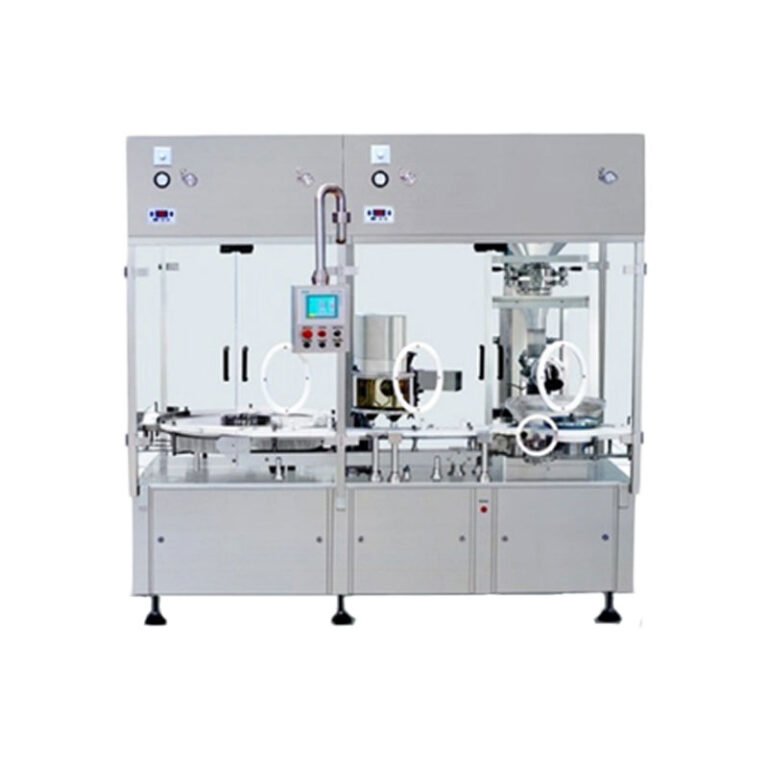
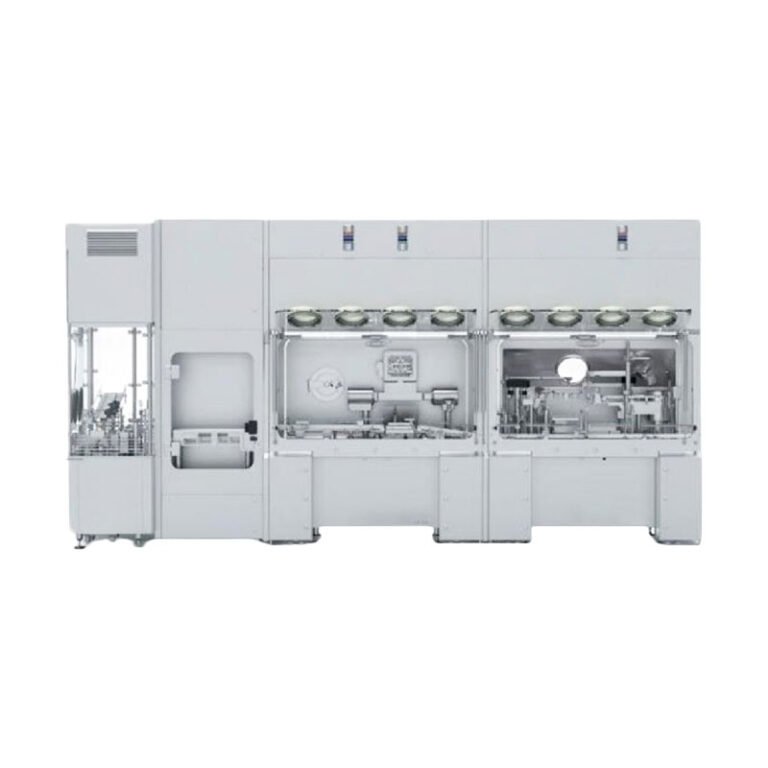
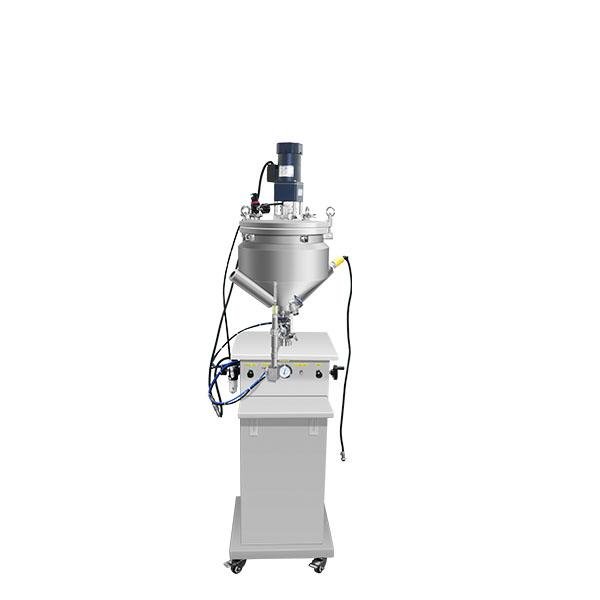
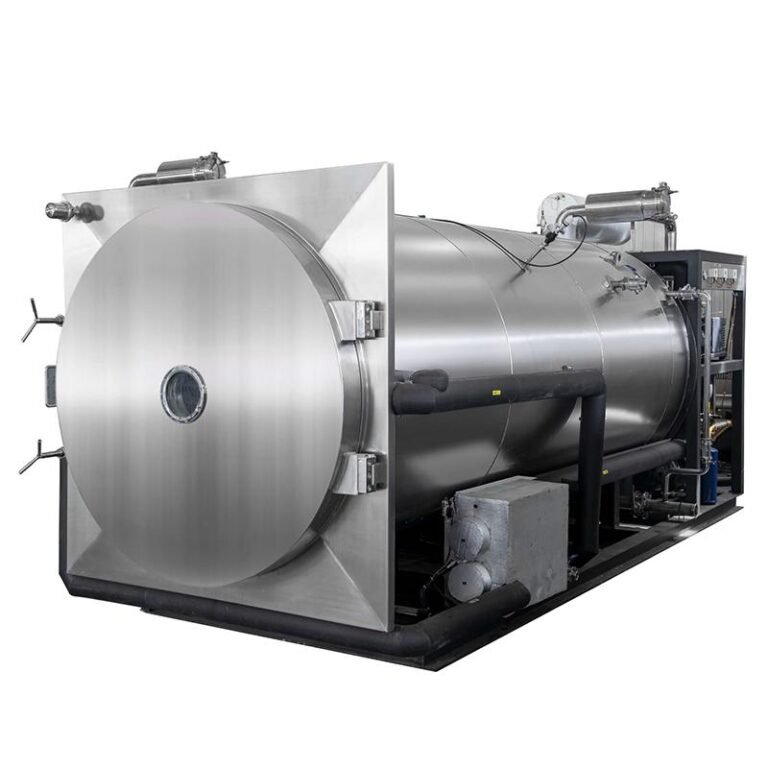
Our range of antibiotic production equipment is designed for manufacturing high-quality sterile injectables and can meet the filling needs of a variety of materials, including liquids and powders. We offer a wide range of options, from semi-automatic equipment for small-scale production to fully automated solutions with complete production lines, to comprehensively meet your various needs in the antibiotic filling field.
Product Display
Benefits
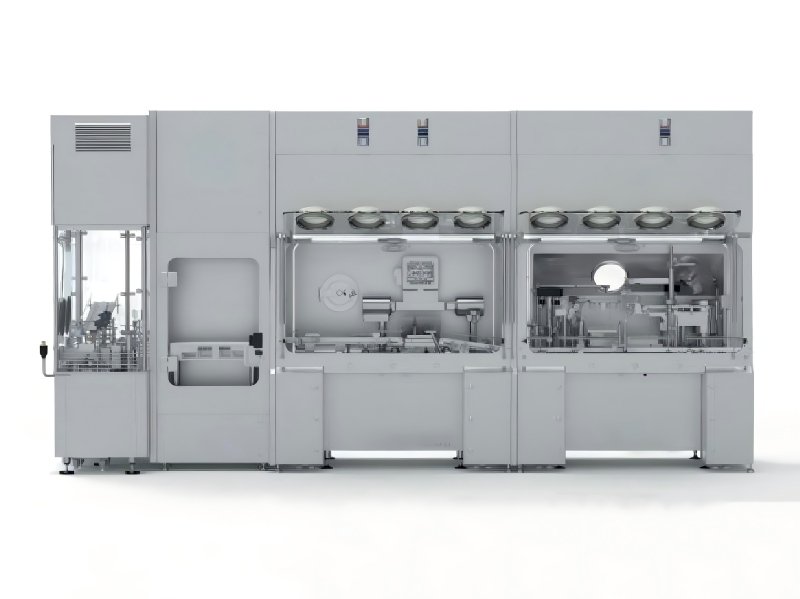
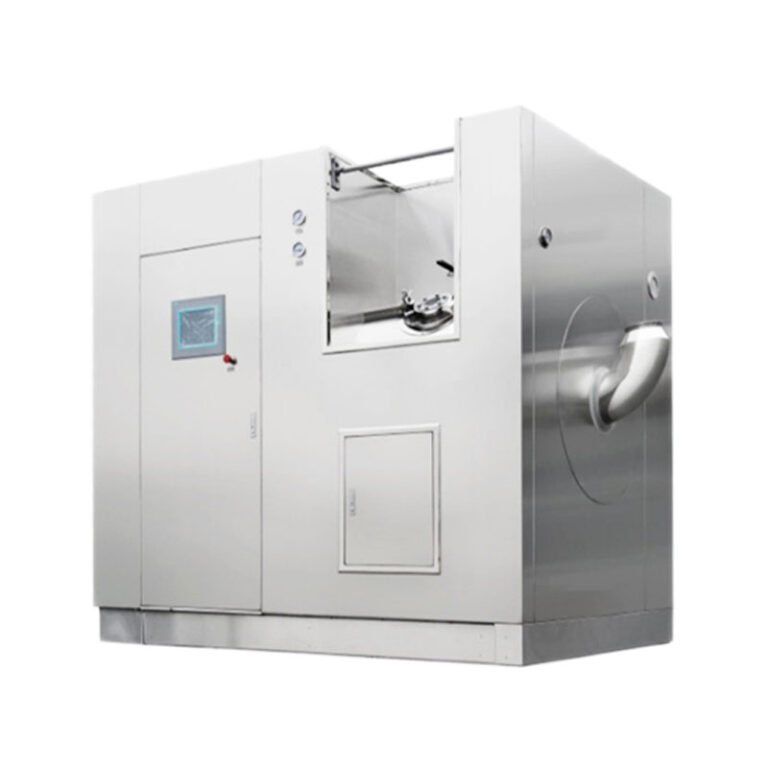
The core processes of the equipment, such as filling, capping, and crimping, are all completed within an aseptic isolator. This area maintains Grade A (ISO 5) laminar flow velocity and cleanliness, and monitors dust particles and microorganisms in real time, physically ensuring the highest aseptic standards for pharmaceutical production.
For common antibiotic formats such as liquids and powders (lyophilized powders), the equipment is equipped with high-precision plunger pumps or screw fillers for filling, achieving an accuracy of 1%. By changing the specifications of the parts, it can quickly adapt to the production of various vials ranging from 2ml to 20ml.
The production line integrates the entire process, including bottle handling, filling, capping (or partial capping), and crimping (or screw capping). It adopts a linear or rotary design, allowing each unit to work efficiently in conjunction for continuous automated production, or to be used independently as a functional standalone machine, offering flexible layout options.
The equipment is equipped with electromagnetic oscillation stopper/cap feeding and a high-precision actuator to ensure accurate placement of butyl rubber stoppers and reliable sealing of aluminum/plastic caps. The capping machine uses single-blade rolling technology, which is highly adaptable to bottle shape differences, ensuring the integrity of the seal for each bottle.
All parts in contact with pharmaceuticals are made of compliant materials such as AISI 316/304 stainless steel, eliminating any unsanitary areas. Equipped with a PLC and touchscreen control system, it enables intelligent logic control such as parameter setting, production statistics, fault alarms, and "no bottle, no filling" functionality.
The core processes of the equipment, such as filling, capping, and crimping, are all completed within an aseptic isolator. This area maintains Grade A (ISO 5) laminar flow velocity and cleanliness, and monitors dust particles and microorganisms in real time, physically ensuring the highest aseptic standards for pharmaceutical production.
For common antibiotic formats such as liquids and powders (lyophilized powders), the equipment is equipped with high-precision plunger pumps or screw fillers for filling, achieving an accuracy of 1%. By changing the specifications of the parts, it can quickly adapt to the production of various vials ranging from 2ml to 20ml.
The production line integrates the entire process, including bottle handling, filling, capping (or partial capping), and crimping (or screw capping). It adopts a linear or rotary design, allowing each unit to work efficiently in conjunction for continuous automated production, or to be used independently as a functional standalone machine, offering flexible layout options.
The equipment is equipped with electromagnetic oscillation stopper/cap feeding and a high-precision actuator to ensure accurate placement of butyl rubber stoppers and reliable sealing of aluminum/plastic caps. The capping machine uses single-blade rolling technology, which is highly adaptable to bottle shape differences, ensuring the integrity of the seal for each bottle.
All parts in contact with pharmaceuticals are made of compliant materials such as AISI 316/304 stainless steel, eliminating any unsanitary areas. Equipped with a PLC and touchscreen control system, it enables intelligent logic control such as parameter setting, production statistics, fault alarms, and "no bottle, no filling" functionality.
Application
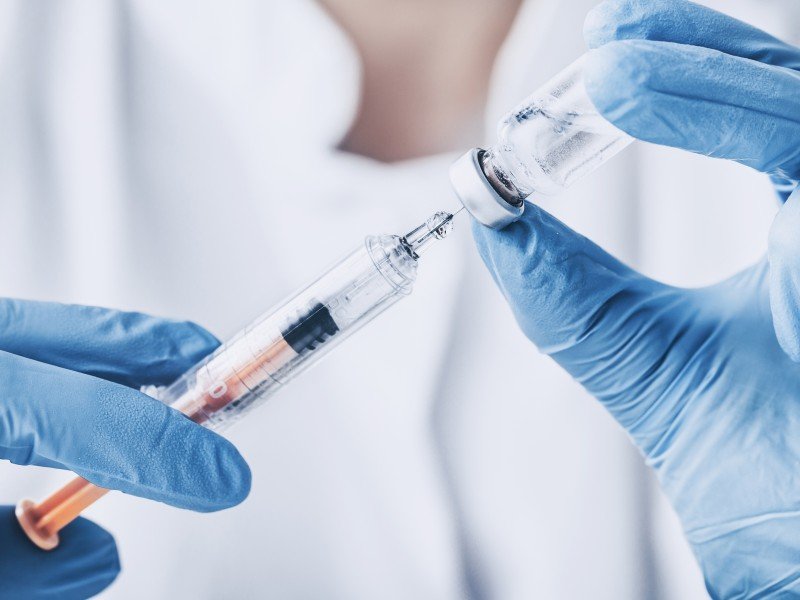
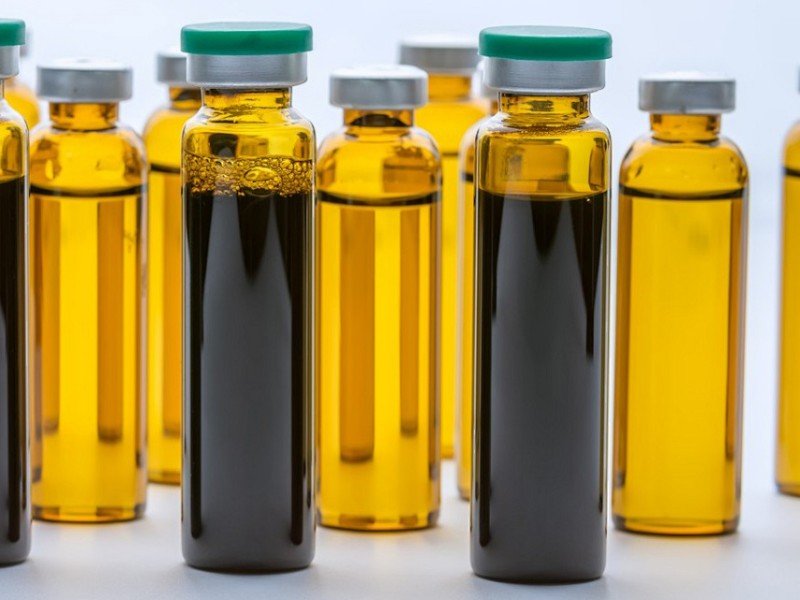
Sterile aqueous solutions or suspensions suitable for direct intravenous or intramuscular injection.
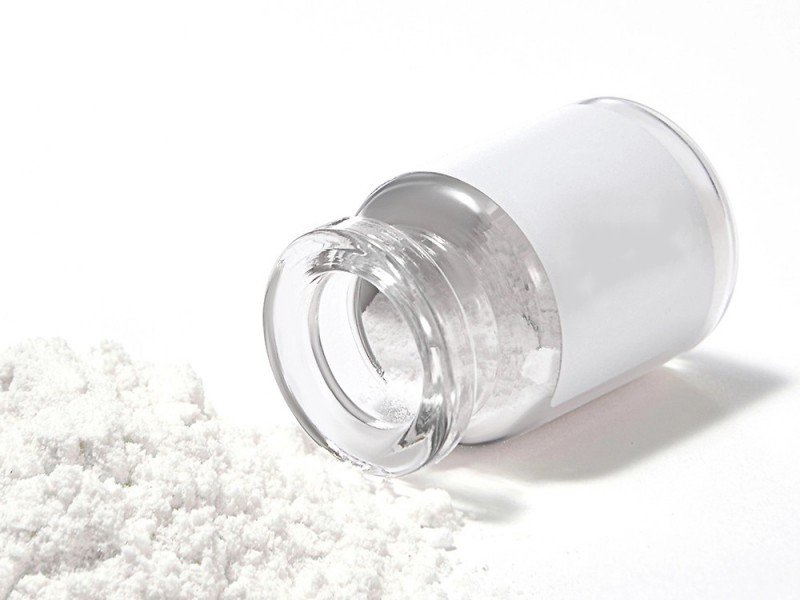
Antibiotics dispensed as sterile powder.
Liquid dosage forms of antibiotics for oral administration.
Antibiotic products for use on the skin or local mucous membranes.
Production of various antibiotic products suitable for animals.
FAQ
Can this production line simultaneously meet our production needs for both liquid antibiotics and lyophilized powder injections?
The core filling unit needs to be configured for different dosage forms. For liquid antibiotics, we use a high-precision plunger pump filling system; for lyophilized powder injections, a dedicated screw filling system is required. Both can be integrated into the same aseptic isolator platform by changing the core filling module, meeting your multi-dosage form production plans.
How do you ensure that the filling process meets the highest aseptic standards required for pharmaceuticals?
We provide dual protection through “equipment + environment”. The core filling and capping areas are placed within a Class A aseptic isolator, providing unidirectional laminar flow protection. The isolator itself has online sterilization (e.g., VHP) capabilities and monitors airflow, particles, and microorganisms in real time. Simultaneously, the equipment features a no-dead-angle design, and all contact parts are made of 316L stainless steel, eliminating the risk of contamination from a hardware perspective.
Is the production line fixed? What if we need to increase production or change bottle sizes in the future?
The production line has good scalability and flexibility. Output can be increased by adjusting the operating speed or adding parallel filling heads. In terms of specifications, the equipment adopts a modular design; by replacing different sizes of inlet star wheels, filling pump metering units, and track molds, it can be adapted to new vial sizes (e.g., from 5ml to 10ml) in a short time.
How does the equipment handle dust and cross-contamination issues during antibiotic powder filling?
We have a specific design for powder injection filling. First, the filling area is also in a Class A isolation environment. Second, the filling head is equipped with a local dust extraction device to immediately remove dust generated during filling. Most importantly, the equipment has complete online cleaning (CIP) and online sterilization (SIP) functions, which can thoroughly clean after each batch to prevent cross-contamination between different batches or varieties.
What support can you provide from equipment installation to full production to ensure we comply with GMP regulations?
We provide full-cycle support, from hardware to documentation. This includes: on-site installation, commissioning, and operation training; assistance in completing critical equipment validation (IQ/OQ) and providing template documents; and a one-year original manufacturer’s warranty and lifetime technical support. Our goal is to ensure that the equipment not only operates smoothly but also helps your production system pass rigorous GMP audits.
Unlock Your Medicine Production Potential. Speak with an Innoval Pharma Expert to Tailor Your Solution.
Certificates


Related Products
Contact Info
Call Us
+1(323)215-9729 (North/South America)
sales@innovalpharma.com
+1(213)258-7721
After Service
+1(909)230-8253 (North/South America)