


A pharmaceutical deblistering machine recovers intact tablets and capsules from rejected blister packs, turning what would be scrap back into saleable product. For any manufacturer dealing with blister packaging rejects, returns, or misprinted batches, a pharmaceutical deblistering machine can mean the difference between writing off an entire lot and recovering most of its value. The question is not whether a pharmaceutical deblistering machine works—it does—but whether the volume and value of your rejected blisters justify the investment. This guide walks through the core scenarios where a pharmaceutical deblistering machine delivers real returns, explains how damage rate control affects the math, and outlines what to look for when selecting equipment. We also cover how a pharmaceutical depackaging machine fits into the broader rework workflow for secondary packaging recovery.
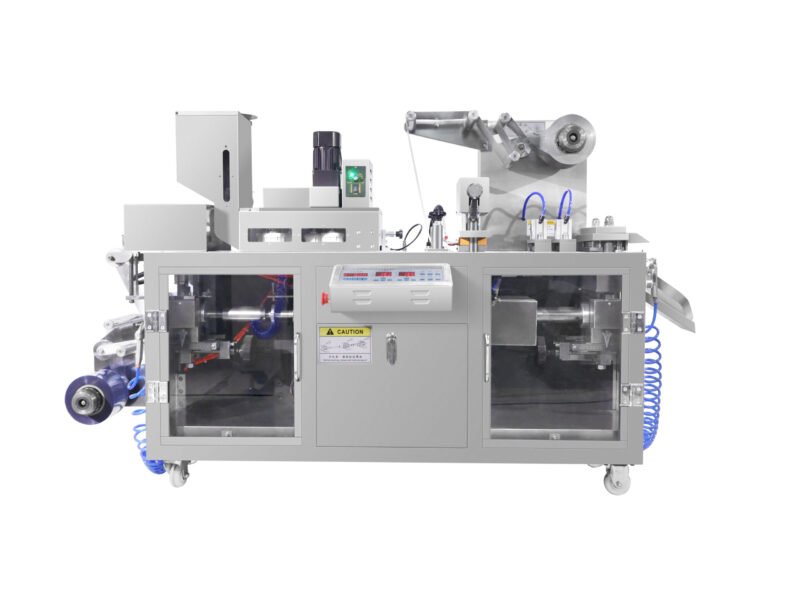
Why Rework Rejected Blisters?
Performance: Manual vs. Machine Deblistering
The biggest advantage of a pharmaceutical deblistering machine over manual work is consistency. Manual deblistering is slow, labor-intensive, and prone to tablet chipping or breakage—especially with delicate coated tablets or soft capsules. A pharmaceutical deblistering machine uses controlled mechanical force, often with adjustable pressure settings, to minimize product damage.
| Factor | Manual Deblistering | Pharmaceutical Deblistering Machine |
|---|---|---|
| Speed (blisters/hour) | 500–1,500 | 10,000–60,000+ |
| Typical damage rate | 3–8% | 0.3–1.5% |
| Labor requirement | High (multiple operators) | Low (one operator) |
| Consistency | Variable by operator | Highly repeatable |
| Containment risk | Higher operator exposure | Enclosed, low-exposure design |
The damage rate is especially critical for any pharmaceutical industry machine handling finished dosage forms. A pharmaceutical deblistering machine, functioning as a specialized pharmaceutical production machine, that damages 1% of product leaves 99% recoverable; manual deblistering at 5% damage cuts recovery by five times as much. For high-potency or high-value products, that gap alone can pay for a pharmaceutical deblistering machine, making it one of the most cost-effective pharmaceutical industry machine investments for rework operations and a valuable addition to the full lineup of pharmaceutical production machine assets.
When Is It Worth Investing?
- Recoverable product value. Higher-priced products generate more savings per recovered unit, shortening the payback period of a pharmaceutical deblistering machine.
- Reject and return volume. Steady reject rates or regular commercial returns create a consistent feed stream that keeps a pharmaceutical deblistering machine productive.
- Current disposal cost. Destroying rejected product is not free—incineration, waste handling, and documentation all add cost that a pharmaceutical deblistering machine helps avoid.
- Labor cost of manual rework. If you currently use operators to deblister by hand, the labor savings from switching to a pharmaceutical deblistering machine can be substantial.
- Regulatory and quality requirements. A validated pharmaceutical deblistering machine produces documented, repeatable results that are easier to defend during audits than manual processes.
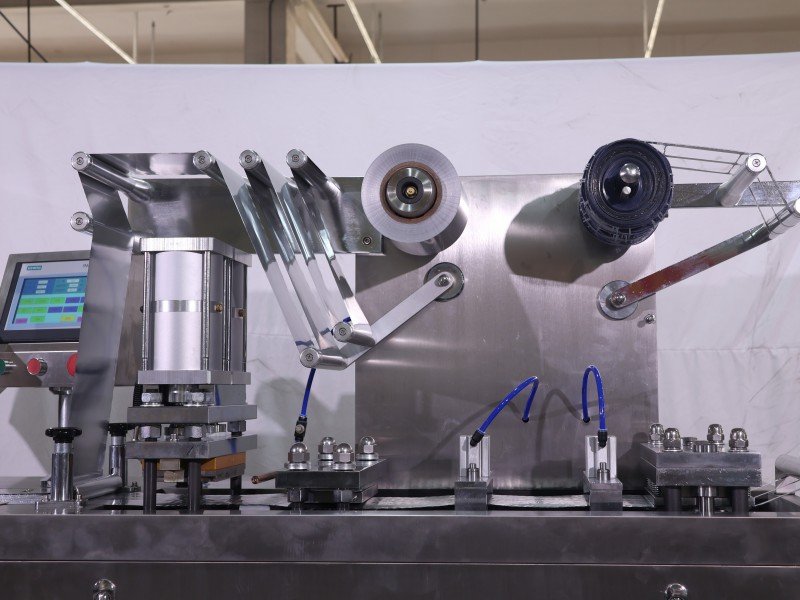
How to Choose the Right Machine
- Throughput capacity. Match the machine’s rated speed to your expected reject volume. A pharmaceutical deblistering machine that runs faster than you need wastes money; one that is too slow creates a bottleneck.
- Damage rate and gentleness. Look for a pharmaceutical deblistering machine with adjustable force settings and proven low-damage performance on your specific dosage forms.
- Format flexibility. If you handle multiple blister sizes and shapes, choose a pharmaceutical deblistering machine with quick changeover and adjustable tooling.
- Containment level. For potent or highly active products, select a pharmaceutical deblistering machine with enclosed operation and dust extraction to protect operators.
- Validation support. GMP production requires documentation. Ensure the pharmaceutical deblistering machine supplier can provide IQ/OQ support and design files.
FAQ
What is the difference between a pharmaceutical deblistering machine and a pharmaceutical depackaging machine?
A pharmaceutical deblistering machine specifically removes tablets or capsules from blister packs. A pharmaceutical depackaging machine is a broader term that can include deblistering plus removal from bottles, cartons, or other secondary packaging formats.
Can a pharmaceutical deblistering machine handle both tablets and capsules?
Yes, most models handle both, but you may need different tooling or pressure settings. Soft gelatin capsules are more delicate and require a gentler pharmaceutical deblistering machine setup to avoid rupture.
What is a typical payback period for a pharmaceutical deblistering machine?
Payback ranges from a few months to two years, depending on product value, reject volume, and current rework costs. High-value products with steady reject rates often see the fastest return on a pharmaceutical deblistering machine.