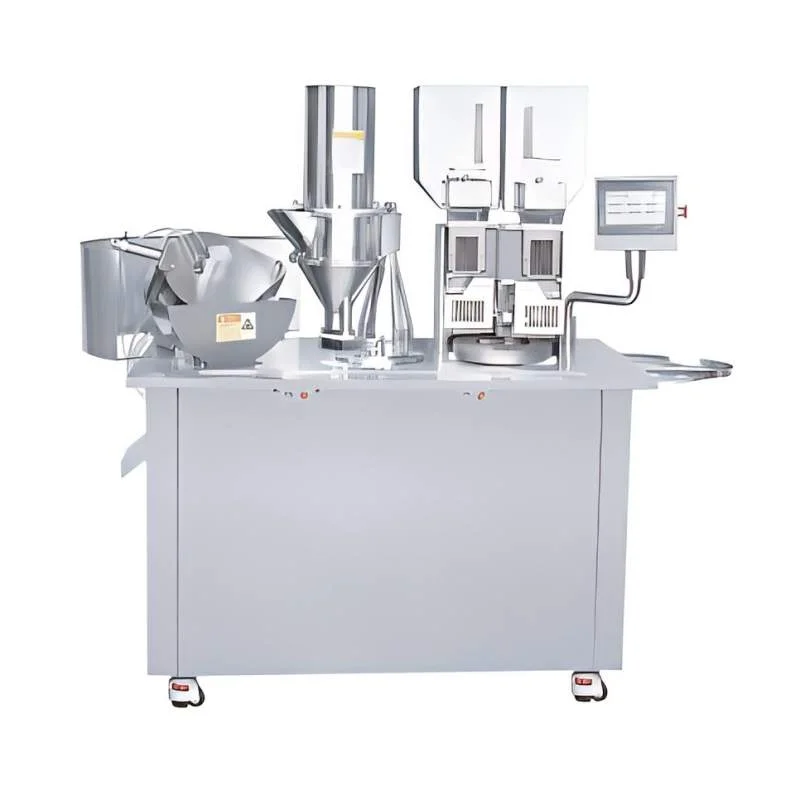
Stepping into pharmaceutical or supplement manufacturing can feel overwhelming, especially when it comes to choosing production equipment. At the center of most capsule-based operations sits one crucial tool: the Capsule Filling Machine. If you are new to this field, this beginner-friendly guide walks you through what this equipment does, how to pick the right one, and what to expect as you scale up in 2026.
What Is a Capsule Filling Machine?
A Capsule Filling Machine is equipment that fills empty capsule shells with a measured amount of powder, granules, pellets, or liquid. It separates the capsule cap from the body, doses the active ingredient into the body, then rejoins the two halves into a sealed, ready-to-package product.
Capsules remain popular because they mask taste, dissolve efficiently, and can be produced quickly. Acting as a reliable capsule maker, this machine guarantees each unit carries a consistent dose—something that matters deeply for both compliance and consumer trust.
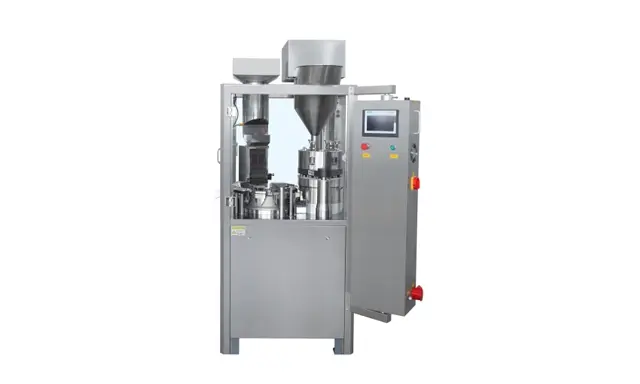
Main Types of Capsule Filling Machine & Core Parameters
Classification by Automation Level
|
Type |
Typical Output |
Best‑Fit Scenario |
Key Compliance Note |
|---|---|---|---|
|
Manual capsule filling machine |
50‑300 capsules/hour |
Lab R&D, formula testing, small trial batches, academic research |
Full manual operation; strict SOP training required to avoid human error contamination |
|
Semi‑automatic capsule filling machine |
3,000‑25,000 capsules/hour
|
Pilot plant production, mid‑batch formal manufacturing, small enterprise mass production |
Manual capsule loading + automatic dosing/closing; regular tooling calibration mandatory |
|
Fully‑automatic capsule filling machine |
25,000‑150,000+ capsules/hour |
Large‑scale pharmaceutical factory commercial production, high‑volume standardized orders |
Full automated operation; equipped with inline weight detection and defective product rejection system |
Standard Working Sequence of a Capsule Filling Machine
Step-by-Step Operational Workflow
- Capsule Feeding and Orientation: The capsule filling machine automatically loads empty capsules into the feeding system, and through mechanical vibration and guiding structures, uniformly arranges capsules with the body facing down and the cap facing up, eliminating chaotic placement.
- Capsule Separation: The precision mechanical structure of the capsule filling machine separates capsule caps and bodies stably, ensuring no shell deformation or damage during separation, which is the key premise of accurate filling.
- Precision Dosing and Filling: According to the material type (powder, granule, pellet), the capsule filling machine adopts a matching dosing system including tamping pins and dosators to quantitatively fill raw materials into capsule bodies, controlling filling weight error within the industry standard range.
- Capsule Locking and Sealing: After filling is completed, the equipment automatically aligns caps and bodies, and applies constant pressure to lock the capsules tightly to prevent material leakage during storage and transportation.
- Ejection and Screening: Finished qualified capsules are ejected and collected, while unqualified products such as unfilled, damaged, and loosely locked capsules are automatically screened and eliminated by the system.
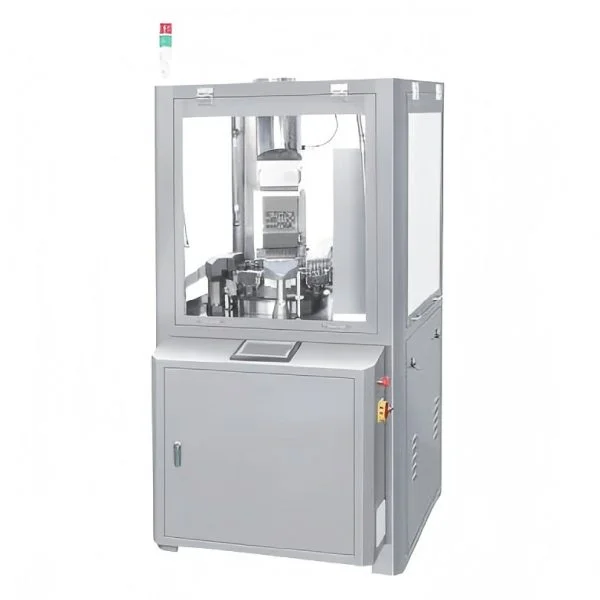
Core Factors Affecting Capsule Filling Machine Operation Quality
- Raw Material Fluidity: Powder materials with excessive viscosity or poor fluidity will cause uneven dosing of the capsule filling machine, leading to large weight differences between individual capsules. Pre-screening and drying of materials are required before production.
- Capsule Shell Quality and Storage Environment: Empty capsule shells are sensitive to humidity. Too high or too low workshop humidity will cause shell deformation, affecting the separation and locking efficiency of the capsule filling machine.
- Equipment Tooling Calibration: Different capsule sizes (00#, 0#, 1#, 2#, 3#) require matched tooling. Long-term operation will cause tooling wear, so regular calibration and replacement are necessary to ensure filling accuracy.
- Workshop Cleanliness: The production environment of the capsule filling machine must meet GMP dust-free standards to avoid material contamination and ensure product safety and hygiene.
- Regular Equipment Maintenance: Long-term operation will produce residual materials and mechanical wear. Timely cleaning and maintenance of the capsule filling machine can reduce failure rates and extend equipment service life.
GMP Compliance Standards for Capsule Filling Machine
For pharmaceutical production enterprises, GMP compliance is a mandatory industry threshold, and the capsule filling machine, as core production equipment, must fully meet standardized design and operational requirements. A compliant capsule filling machine features a fully polished stainless steel body without dead corners, which is convenient for full disassembly and cleaning, effectively avoiding material residue and cross‑contamination between batches. For complete post‑processing workflows, many facilities pair this unit with a capsule polisher machine to remove surface dust and leftover powder from finished capsules.
In daily production management, enterprises need to establish complete equipment operation logs for the capsule filling machine, recording production time, batch information, dosing parameters, and equipment maintenance records. This logging practice also extends to supporting units such as the capsule polisher machine for full‑batch traceability. Regular sampling and testing of capsule filling weight is required during operation. Once weight deviation is found, the capsule filling machine should be stopped immediately for parameter adjustment and tooling inspection. Standardized operation of the capsule filling machine and auxiliary equipment like the capsule polisher machine is not only the key to passing regulatory audits but also the core guarantee of consumer drug safety.
Practical Buying Guide for Beginner Manufacturers