


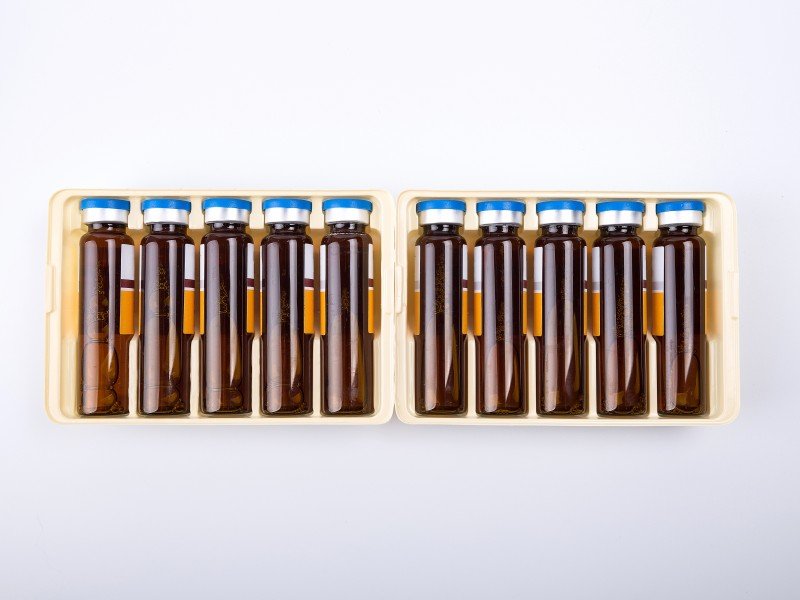
The secondary packaging stage represents the final opportunity to protect a pharmaceutical product before it reaches the patient. At the heart of this stage sits the pharmaceutical cartoning machine — a system that erects cartons from flat blanks, inserts the primary packaged product alongside a patient information leaflet, and seals the carton for distribution. Yet the choice between horizontal and vertical configurations is anything but trivial. Select the wrong geometry, and production lines face constant jams, increased product damage, and operator fatigue.
This guide provides a systematic comparison of horizontal and vertical pharmaceutical cartoning machine designs, examines the critical role of integrated leaflet folding systems, and maps the optimal feeding configurations for three common pharmaceutical formats: tablets (via blister packs), bottles, and tubes. It also covers eight essential selection parameters and highlights the most frequent mistakes that inflate total cost of ownership and delay regulatory approval.
Horizontal vs Vertical Cartoning Machines — Core Differences
The fundamental distinction between horizontal and vertical cartoning machines lies in the geometric axis of product insertion. While both styles of this pharmaceutical production machine are engineered to erect, load, and seal cartons, they approach the task from entirely different directions.
Horizontal (Side-Load) Cartoning Machines
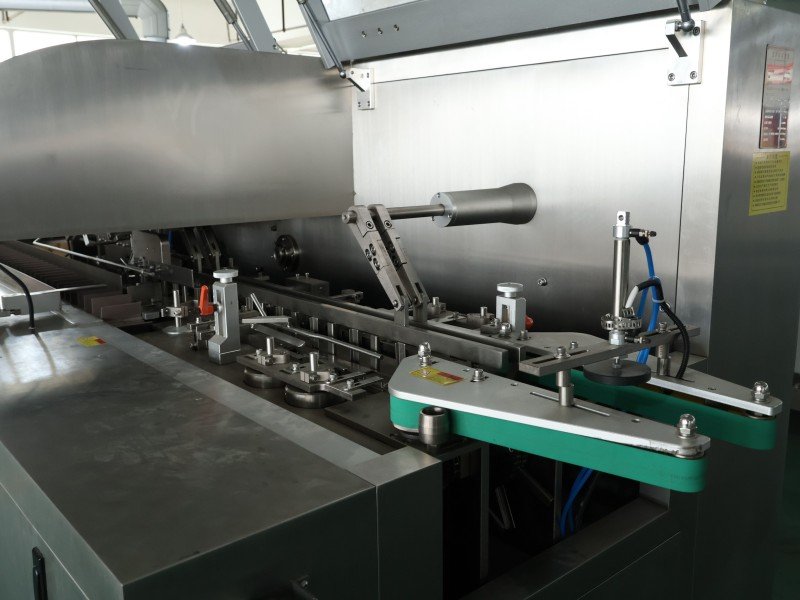
A horizontal cartoning machine loads products into cartons from the side. The carton is erected horizontally along the production line, and the product is pushed or slid inside from the side, either manually via an operator or automatically through a mechanical pusher, before the flaps are glued or tucked shut.
Best product fit: Horizontal loading relies on structural predictability. It is the ideal configuration for solid, rigid, uniform items that can slide smoothly on a flat plane without catching on carton flaps. Typical pharmaceutical applications include:
Blister packs containing tablets or capsules
Medicine bottles and vials
Sachets (powder or liquid)
Tubes and rigid trays
Key advantages:
High-speed performance suitable for mass production
Precise product placement reduces packaging errors
Easy integration with leaflet insertion, coding, and inspection systems
Excellent compatibility with upstream continuous-motion equipment
Limitations:
Requires products to maintain a stable shape
More complex structure and higher initial investment
Horizontal machines are the most common type in pharmaceutical packaging due to their high speed, compact footprint, and flexibility. For most products that can be loaded either way, horizontal systems are generally preferred for their lower cost and faster changeover.
Vertical (Top-Load) Cartoning Machines
A vertical cartoning machine loads products from above into an open-top carton. The carton is erected so that the open end faces upward, and the product is dropped or lowered into the carton from above, utilizing gravity to settle the item safely before the top and bottom flaps are sealed.
Best product fit: If the product is loose, granular, fragile, or composed of multiple distinct pieces that must be bundled together, gravity is the best ally. Attempting to push these items horizontally often results in catching, tearing, or spilling. Typical pharmaceutical applications include:
Loose tablets or granules that “pour directly” into the carton
Flexible pouches or bags
Multi-component kits where several different items are dropped into a single box
Bottles that need to remain upright during packaging
Key advantages:
Products settle naturally into the bottom of the carton, eliminating the risk of bulging or catching
Simpler mechanical structure with lower cost and easier maintenance
Compact footprint — vertical systems often require far less linear floor space
Exceptional ergonomics for lines utilizing operators for manual placement
Limitations:
Generally lower speed compared to horizontal systems
Limited ability to integrate complex functions like leaflet insertion
Vertical machines tend to be simpler (often intermittent-motion) and may run slower
Horizontal vs Vertical — Side-by-Side Comparison
| Feature | Horizontal Cartoner | Vertical Cartoner |
|---|---|---|
| Loading Method | Side-loading (carton opened sideways or top-front) | Top-loading (carton opened at top) |
| Product Type | Regular, structured, rigid items | Irregular, loose, fragile items |
| Typical Pharma Applications | Blister packs, bottles, vials, sachets | Loose tablets, granules, multi-component kits |
| Speed | High (ideal for mass production) | Medium |
| Complexity | Higher | Lower |
| Cost | Higher initial investment | More budget-friendly |
| Leaflet Insertion | Fully supported | Limited |
| Footprint | Linear, suited for straight-line layouts | Compact, suited for tight spaces |
The Leaflet Folding System — A Critical Integration Point
Patient information leaflets are a regulatory requirement in virtually every pharmaceutical market. As a core functional module of professional packaging machine equipment, the integration of a leaflet folding system into a pharmaceutical cartoning machine is therefore not optional — it is mandatory. The folding process must handle unfolded sheets, fold them to the required dimensions, and insert them into the carton alongside the product, all within the machine’s cycle time to match the stable operation rhythm of full-line packaging machine setups.
How Leaflet Folding Works in a Cartoning Line
The leaflet inserter of a pharmaceutical cartoning machine places a folded leaflet into the introduction zone before or during product insertion. The process typically follows this sequence:
Unfolded leaflets are fed from a magazine — either pre-folded sheets via a friction feeder or blanks through a dedicated leaflet folder
The folding unit applies sequential folds (typically 1 to 4 folds)
The folded leaflet is transferred to the insertion zone
A sensor verifies leaflet presence before product insertion proceeds
The leaflet and product are simultaneously pushed into the carton
Modern pharmaceutical leaflet folders incorporate advanced features such as automatic fold plate setting, automatic fold roller positioning, and automatic positioning based on paper size and fold type. Some systems can achieve throughputs of up to 400 folded leaflets per minute.
Folding Configuration Options
The required fold configuration depends on the leaflet size and the carton dimensions. A common challenge involves folding an A3-sized instruction manual down to a compact size — for example, 30×30mm for a small bottle box — which may require a combination of triple folds and double knife folds to ensure clear creases and proper alignment.
Key parameters for leaflet folding integration:
Unfolded leaflet size range: typically 80–250mm × 90–170mm
Paper grammage: 60–70g/m² for standard leaflets
Fold range: 1 to 4 folds
Synchronization: leaflet folder software integrated with the cartoning machine via Ethernet (TCP/IP protocols)
When no product is present, the system should not suck or feed a leaflet — and when no leaflet is present, the machine should not push the product into the carton. This “no product, no leaflet” logic prevents incomplete packs and reduces waste, and consistent upstream feeding from equipment like the capping machine helps avoid intermittent product shortages that can trigger this safety interlock.
Three Feeding Configurations — Tablets, Bottles, and Tubes
The feeding system is the interface between upstream primary packaging and the cartoning machine. Different product formats require different feeding mechanisms. Below are the optimal configurations for three common pharmaceutical formats.
Tablet Feeding (via Blister Packs)
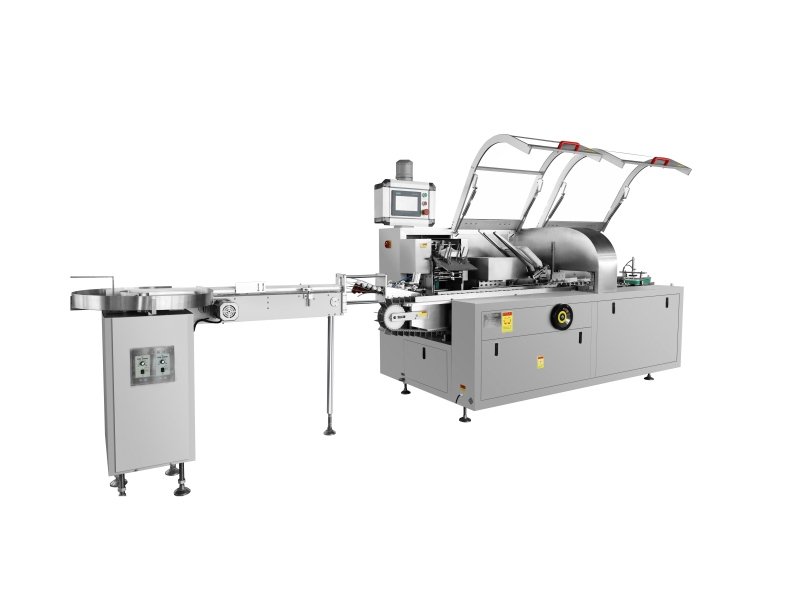
Tablets and capsules are almost always presented to the pharmaceutical cartoning machine as blister packs — thermoformed or cold-formed sheets containing multiple dosage units. Directly downstream from the capsule filling machine, the feeding system must handle these blister sheets gently while maintaining orientation.
Optimal configuration:
Horizontal cartoning machine (recommended) — blister packs are rigid, uniform, and ideal for side-loading
Bucket chain infeed for gentle transport of blister sheets
Capability to handle one or multiple blister boards per carton
Sensor detection for blister presence before insertion
Key consideration: Blister packs must maintain their orientation throughout the feeding process. Horizontal cartoners excel here because they provide controlled, precise insertion that keeps the blister aligned with the carton.
Bottle Feeding
Bottles — whether round or square, glass or plastic — present a different challenge. They must be fed upright, oriented correctly, and inserted without tipping or catching.
Optimal configuration:
Horizontal cartoning machine (recommended) for high-speed bottle cartoning
Screw feeder for reliable separation and gentle feeding of round products such as bottles and vials
Alternatively, vertical cartoning machine if bottles need to remain upright during loading
Bottle unscrambling and feeding integrated upstream
The feeding system must include product presence detection to ensure that no carton is sealed without a bottle inside.
Tube Feeding
Pharmaceutical tubes — used for ointments, gels, and creams — require careful handling to prevent deformation or damage to the tube body or closure.
Optimal configuration:
Horizontal or vertical cartoning machine depending on tube geometry and line layout
Dedicated tube infeed systems that gently separate and orient tubes
Integration with upstream tube filling equipment for seamless product flow
Tube cartoning machines automatically load tubes into cartons, form the boxes, and seal them in a simple packaging process. They are suitable for a wide range of tube types, including aluminum-plastic composite tubes.
Feeding Configuration Summary
| Product Format | Recommended Cartoner Type | Feeding Mechanism | Key Consideration |
|---|---|---|---|
| Blister packs (tablets/capsules) | Horizontal | Bucket chain infeed | Maintain orientation; one or multiple boards per carton |
| Bottles (round/square) | Horizontal | Screw feeder | Upright orientation; gentle separation |
| Tubes (ointments/gels) | Horizontal or Vertical | Dedicated tube infeed | Prevent deformation; integrate with tube filler |
Making the Final Decision
Selecting a pharmaceutical cartoning machine is a decision that balances product geometry, production speed, regulatory compliance, and total cost of ownership. The right choice starts with understanding the product’s physical behavior — not the machine catalog.
Here is a practical decision framework:
Analyze your product’s geometry: Is it rigid and stable (horizontal) or loose and irregular (vertical)?
Confirm your leaflet folding requirements: size, fold count, and paper grammage
Determine your sustained output requirement — not peak speed
Map your product portfolio and changeover schedule
Verify GMP compliance and construction materials
Specify quality control features: sensors, rejection systems, and “no product, no leaflet” logic
Secure IQ/OQ/PQ documentation as a contractual deliverable
Include 20–30% capacity headroom for future expansion
The cartoning machine pharmaceutical industry applications continue to evolve toward higher speeds, greater flexibility, and intelligent inspection capabilities. But the fundamentals remain unchanged: package integrity, patient information accuracy, and regulatory compliance are non-negotiable. A machine that delivers on all three — at the right total cost of ownership — is the machine worth buying.
FAQ
Can the same pharmaceutical cartoning machine handle both blister packs and bottles?
Yes, many horizontal cartoning machines are designed with modular feeding systems that can be swapped or adjusted for different product formats. However, changeover between blister packs and bottles typically requires changing infeeds and adjusting guides. Machines with servo-driven individual motions offer faster and more reliable format changes. Buyers should verify changeover time for their specific product mix.
What is the typical output speed difference between horizontal and vertical cartoning machines?
Horizontal cartoners generally achieve higher speeds — intermittent motion models typically run 30–120 CPM, while continuous motion systems can reach 400 CPM. Vertical cartoners typically operate at lower speeds, often 60–90 CPM, due to their simpler, often intermittent-motion design. The speed difference reflects the fundamental trade-off between precision (horizontal) and simplicity (vertical).
How does a leaflet folder integrate with the cartoning machine's control system?
Modern leaflet folders integrate with the cartoning machine via network interfaces using TCP/IP protocols. This allows the folder to synchronize its operation with the cartoner’s cycle, ensuring that a folded leaflet is available precisely when the product is ready for insertion. The control system also implements “no product, no leaflet” logic — if no product is detected, the folder does not feed a leaflet. This integration is essential for preventing incomplete packs and minimizing waste.