


An automatic capsule polisher is an important piece of equipment in solid-dose pharmaceutical production. After capsule filling, the machine removes powder residue, improves capsule surface cleanliness, and prepares capsules for inspection or downstream packaging. When the automatic capsule polisher operates normally, capsule movement, polishing, separation, and discharge can remain stable throughout production.
However, production faults can occur because of improper feeding, excessive powder accumulation, worn capsule polisher parts, unsuitable machine settings, blocked passages, electrical problems, or inadequate cleaning. A fault does not always mean that the main drive or polishing system has failed. In many cases, the problem begins with material flow, adjustment, cleaning, or a relatively small component.
For this reason, troubleshooting an automatic capsule polisher should follow a structured process. Operators should first identify the symptom, then check the most likely causes, make controlled adjustments, and verify the result before returning the equipment to normal production.
.jpg)
Common Automatic Capsule Polisher Faults In Daily Production
The first step is to distinguish the visible production symptom from its underlying cause. Similar symptoms may be produced by different conditions, so replacing parts immediately is not always the most efficient solution.
Common automatic capsule polisher faults include:
- Irregular capsule feeding or capsule accumulation
- Poor polishing or visible powder residue
- Capsule blockage inside the polishing chamber
- Unstable capsule discharge
- Excessive noise or vibration
- Reduced production capacity
- Unexpected machine stoppage
- Difficulty maintaining stable operating parameters
An automatic capsule polisher should also be checked within its intended operating range. FDA guidance states that pharmaceutical equipment should be appropriately designed for its intended use and suitable for cleaning and maintenance.
| Fault symptom | Common cause | Initial check |
|---|---|---|
| Capsule accumulation | Uneven feeding or blockage | Feed inlet and capsule flow |
| Poor polishing | Worn polishing components or incorrect adjustment | Polishing area and settings |
| Unstable discharge | Outlet obstruction or poor downstream connection | |
| Excessive vibration | Loose or worn components | Fasteners and rotating parts |
| Frequent stopping | Sensor, overload, or electrical issue | Control system and alarms |
Automatic Capsule Polisher Feeding Problems And Solutions
Feeding problems are among the most common causes of unstable automatic capsule polisher performance. If capsules enter the polishing section too quickly, they may accumulate. If the feeding rate is too low or intermittent, the polishing system may operate below its intended capacity.
Several factors should be checked before adjusting the machine:
- Check whether the capsule supply is continuous and evenly distributed.
- Inspect the feed inlet for powder buildup or foreign material.
- Confirm that capsule movement is not restricted by an incorrectly positioned guide.
- Check whether the upstream capsule filling process is delivering capsules consistently.
- Adjust the feeding parameters gradually rather than making a large change at once.
Capsule characteristics can also influence feeding. Differences in capsule size, surface condition, filling quantity, or powder residue may change how capsules move through the equipment.
When an automatic capsule polisher is connected directly to a capsule filling line, the capacity of both machines should be considered together. A mismatch between upstream output and polishing capacity can create repeated accumulation or idle periods.
Automatic Capsule Polisher Poor Polishing And Residue Problems
Poor polishing does not necessarily indicate a failure of the main drive system. The first checks should focus on the condition of the polishing elements, capsule movement, powder accumulation, and machine adjustment.
If capsules pass through the polishing section too quickly, there may not be sufficient contact time to remove residual powder. Conversely, excessive contact or an unsuitable setting can create unnecessary mechanical stress on capsules.
Operators should inspect the following areas:
- Polishing brushes, rollers, belts, or other contact elements
- Product-contact surfaces
- Powder collection areas
- Capsule movement through the polishing chamber
- Adjustment settings
- Signs of excessive wear
The condition of capsule polisher parts is particularly important. Worn or damaged contact components may reduce polishing consistency even when the motor and control system appear normal. The condition of upstream equipment, such as a capsule filling machine, can also affect the amount of powder residue entering the polishing stage.
Cleaning is also part of troubleshooting. FDA CGMP guidance requires equipment to be cleaned and maintained at appropriate intervals to prevent contamination or malfunctions that could affect product quality.
WHO guidance similarly states that production equipment should be designed and maintained to permit effective cleaning and maintenance, with cleaning performed according to an established schedule.
Automatic Capsule Polisher Blockage And Capsule Accumulation
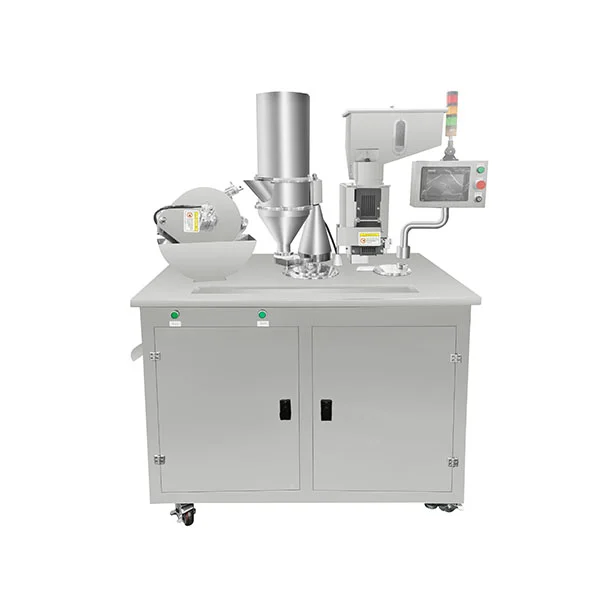
Blockage usually becomes visible when capsules stop moving smoothly through the polishing chamber or discharge section. The safest approach is to stop the machine according to the applicable SOP before attempting to remove the obstruction.
Typical causes include excessive capsule loading, powder buildup, damaged components, foreign material, or an incorrectly adjusted passage.
Before restarting an automatic capsule polisher, operators should:
- Stop the machine safely and isolate energy sources where required by the site procedure.
- Remove accumulated capsules and visible material.
- Inspect the feed and polishing passages.
- Check the discharge outlet for obstruction.
- Examine relevant capsule polisher parts for damage or deformation.
- Reassemble components correctly.
- Run the machine at an appropriate setting and observe capsule movement.
Repeated blockage should not be treated simply by increasing the machine speed. A higher speed may temporarily change the symptom while leaving the underlying feeding or mechanical problem unresolved.
Automatic Capsule Polisher Unstable Discharge And Downstream Problems
A stable discharge is essential when the automatic capsule polisher operates as part of a continuous production line. Capsules should leave the machine smoothly without excessive accumulation at the outlet.
If the polishing process appears normal but capsules accumulate at discharge, inspect the outlet first. A downstream conveyor, inspection system, or transfer connection may be restricting product flow.
The following conditions deserve attention:
- Discharge opening partially blocked
- Downstream equipment running at an unsuitable speed
- Incorrect connection between machines
- Excessive capsule accumulation
- Damaged or incorrectly installed guides
- Powder buildup around the outlet
The automatic capsule polisher should be evaluated as part of the complete production process rather than as an isolated machine. WHO GMP principles emphasize logical equipment and material flow and reducing contamination and cross-contamination risks through suitable facility and equipment design.
Automatic Capsule Polisher Noise And Vibration Troubleshooting
Unusual noise or vibration can indicate loose fasteners, worn bearings, misalignment, foreign material, or an imbalance in rotating components.
A normal production sound may vary according to machine design, but a sudden change is more important than the absolute sound level. Operators should compare the current operating condition with the machine’s normal baseline.
Start with a visual and mechanical inspection of accessible components. Check whether covers, supports, polishing components, or other removable parts are securely installed. If vibration continues after obvious causes have been eliminated, maintenance personnel should investigate the drive system and rotating components according to the equipment maintenance procedure.
Do not continue production simply because the machine is still running. A small mechanical fault can become more serious if worn components continue operating under load.
Automatic Capsule Polisher Electrical And Control Faults
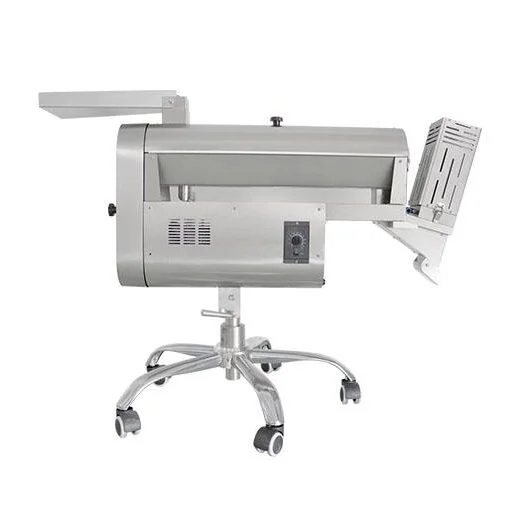
An automatic capsule polisher may stop unexpectedly because of overload protection, sensor signals, emergency-stop conditions, power interruptions, or control-system alarms.
When an electrical fault occurs, operators should avoid repeatedly resetting the machine without identifying the alarm condition. First check the displayed fault code or alarm message, then follow the equipment-specific troubleshooting procedure.
Common areas for inspection include:
- Main power supply
- Emergency-stop status
- Motor overload protection
- Sensors and their alignment
- Control-panel alarms
- Safety interlocks
- Cable and connector condition
Electrical troubleshooting should be performed only by qualified personnel when it involves electrical panels or energized components.
A pharmaceutical equipment troubleshooting program should also preserve appropriate records. FDA guidance emphasizes documentation of equipment cleaning and maintenance, while broader CGMP principles require reliable and reproducible manufacturing processes.
Automatic Capsule Polisher Maintenance To Prevent Recurring Faults
Troubleshooting should not stop when the immediate fault disappears. If the same problem occurs repeatedly, the maintenance strategy should address its root cause.
Preventive maintenance can include inspection, cleaning, lubrication where applicable, checking fasteners, examining wear components, and verifying sensors and other critical functions.
A practical maintenance routine for an automatic capsule polisher may include:
| Maintenance area | Typical attention point |
|---|---|
| Feeding system | Flow path and buildup |
| Polishing system | Wear and cleanliness |
| Drive system | Noise, vibration, and lubrication requirements |
| Discharge system | Smooth product transfer |
| Sensors | Alignment and cleanliness |
| Electrical system | Alarms, connections, and safety functions |
The exact maintenance interval should follow the machine manufacturer’s instructions, site SOPs, production conditions, and applicable qualification or validation requirements. For a gelatin capsule polisher, maintenance schedules should also consider the condition of product-contact and polishing components.
WHO guidance emphasizes preventive maintenance, effective cleaning, and removal of defective equipment from production areas when it cannot be reliably used.
Automatic Capsule Polisher Root Cause Analysis For Repeated Faults
A recurring fault requires more than a quick adjustment. Operators and maintenance teams should compare the timing of the failure with production conditions.
For example, if capsule accumulation occurs only after several hours of operation, powder buildup or progressive wear may be more likely than an initial feed-setting problem. If the same fault occurs immediately after changeover, cleaning, or component replacement, installation or adjustment should be investigated. Similar checks are also useful when troubleshooting a vertical capsule polishing machine, where component alignment and material flow can affect operating stability.
A useful root-cause review can consider:
- Product and capsule characteristics
- Machine operating parameters
- Recent cleaning activity
- Recent component replacement
- Maintenance history
- Operator adjustments
- Upstream and downstream equipment conditions
- Previous occurrences of the same fault
This approach helps distinguish an isolated equipment issue from a process-related problem.
Automatic Capsule Polisher Troubleshooting Checklist For Operators
A simple checklist can make fault response more consistent and reduce unnecessary adjustments.
When a production fault occurs, operators can follow this sequence:
- Identify and record the visible symptom.
- Stop the automatic capsule polisher safely if continued operation may affect product or equipment.
- Check alarms, abnormal sounds, blockage, and visible buildup.
- Inspect the most relevant capsule polisher parts.
- Verify feeding, polishing, and discharge conditions.
- Make only approved adjustments.
- Restart under controlled conditions.
- Confirm stable operation before returning to routine production.
- Record the fault, action taken, and final result.
This type of documented approach supports consistent operation and provides useful information for maintenance and quality teams.
Automatic Capsule Polisher Final Troubleshooting Guidance
Most automatic capsule polisher faults can be approached systematically by separating feeding, polishing, discharge, mechanical, electrical, and cleaning-related causes. The objective is not simply to restart the machine, but to identify why the fault occurred and prevent unnecessary recurrence.
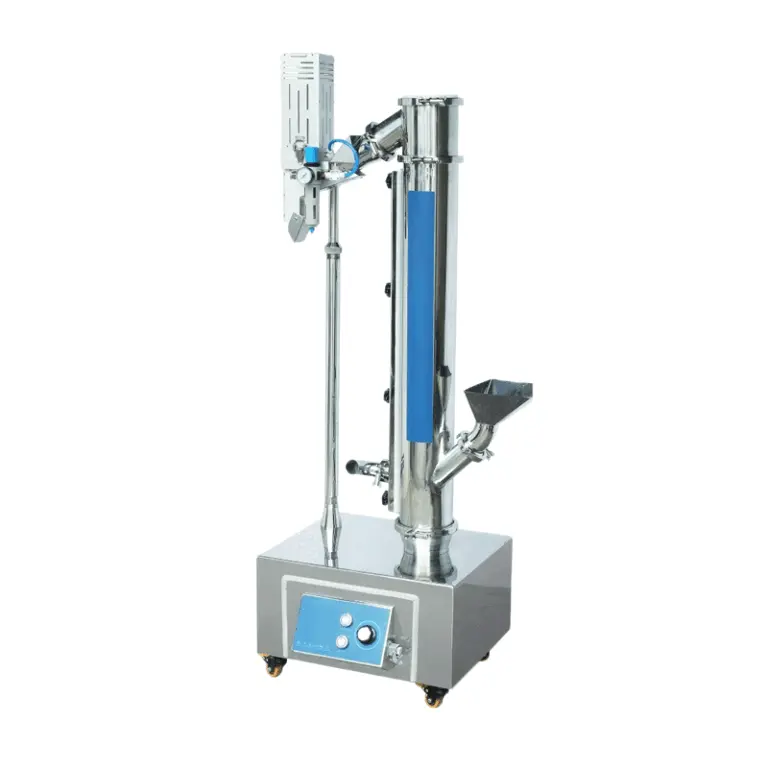
A reliable troubleshooting process should always consider the complete production line. The capsule polisher machine interacts with upstream filling equipment and downstream inspection or packaging equipment, so a problem observed at the polishing stage may originate elsewhere.
For pharmaceutical production, cleaning, maintenance, equipment condition, and documented procedures are not secondary concerns. FDA and WHO GMP guidance both emphasize equipment suitability, maintenance, cleaning, and controls that help prevent contamination and protect product quality.
By combining operator checks, preventive maintenance, proper adjustment, and documented root-cause investigation, manufacturers can keep an automatic capsule polisher operating more consistently and reduce avoidable production interruptions.
FAQ
What is the most common cause of automatic capsule polisher blockage?
Uneven feeding, excessive capsule loading, powder buildup, and restricted discharge passages are common areas to inspect first.
How often should automatic capsule polisher parts be inspected?
Inspection frequency should follow the equipment maintenance program and production conditions. Wear-prone parts should be checked regularly for damage, contamination, and performance changes.
What should operators do when an automatic capsule polisher stops unexpectedly?
Check the alarm or fault indication, stop and secure the equipment according to the SOP, identify the likely cause, and involve qualified maintenance personnel when technical or electrical intervention is required.