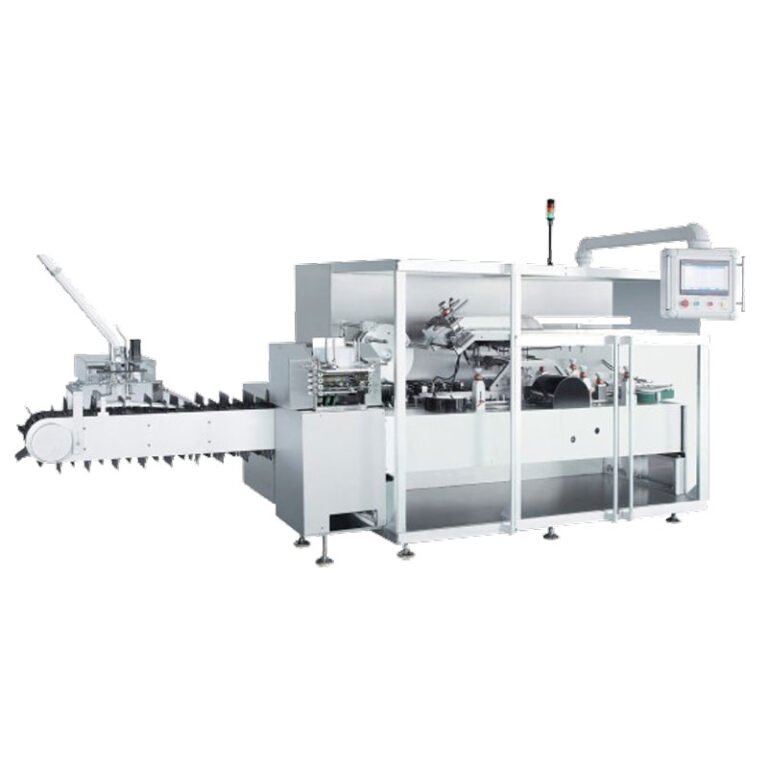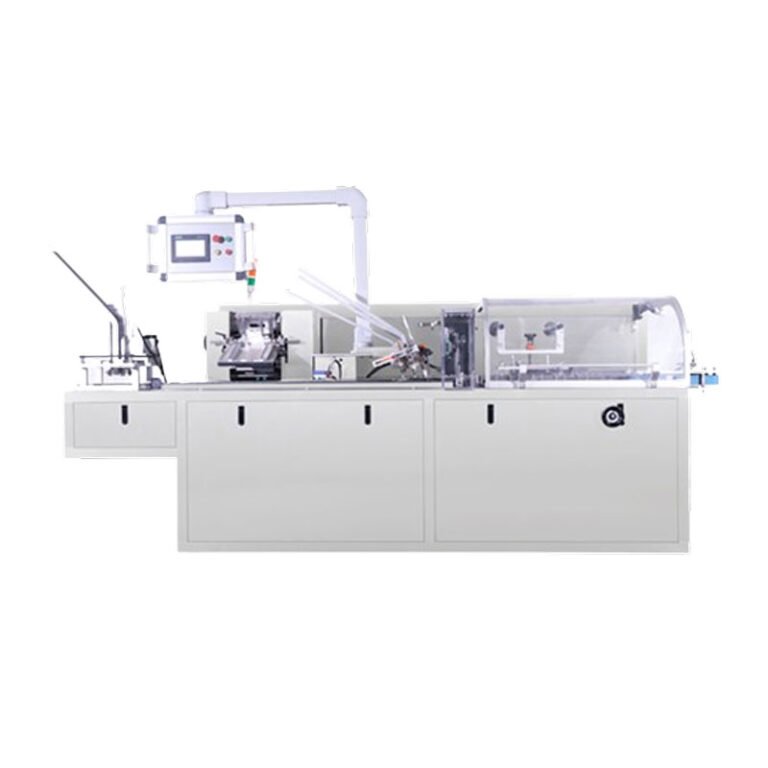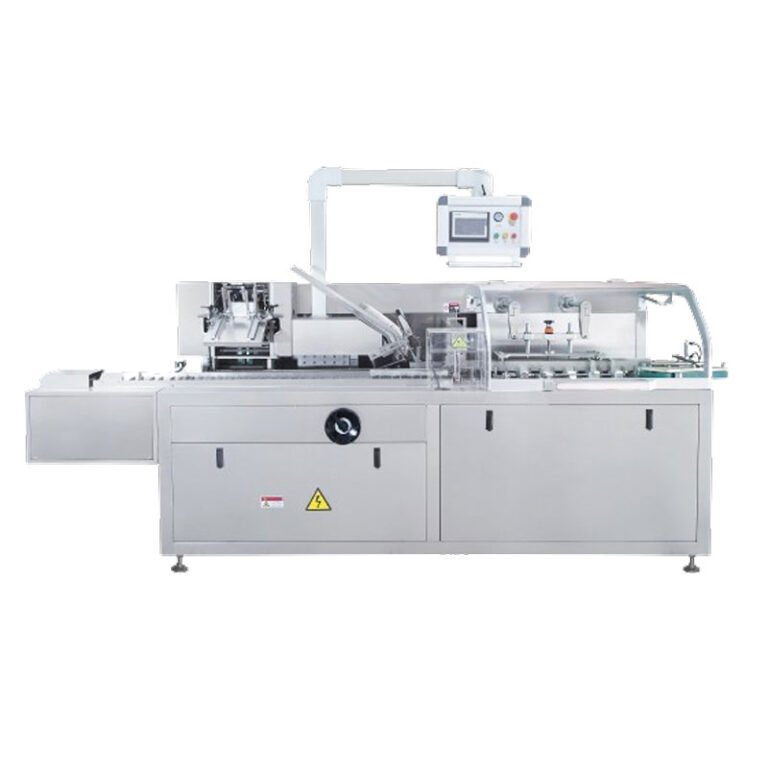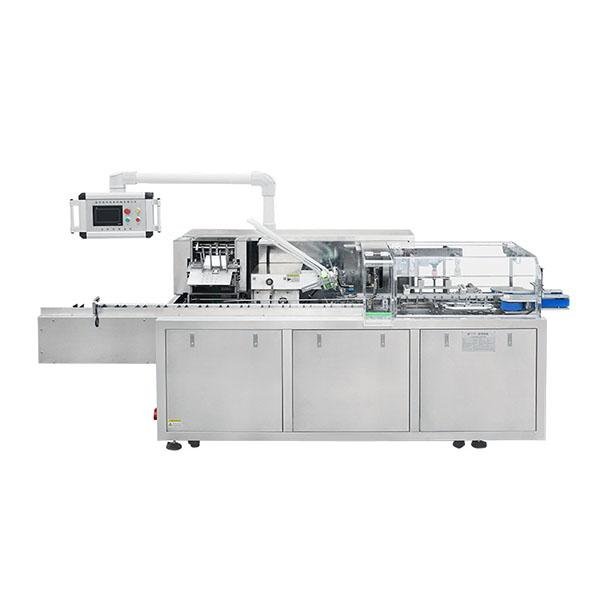
Cartoning Machine
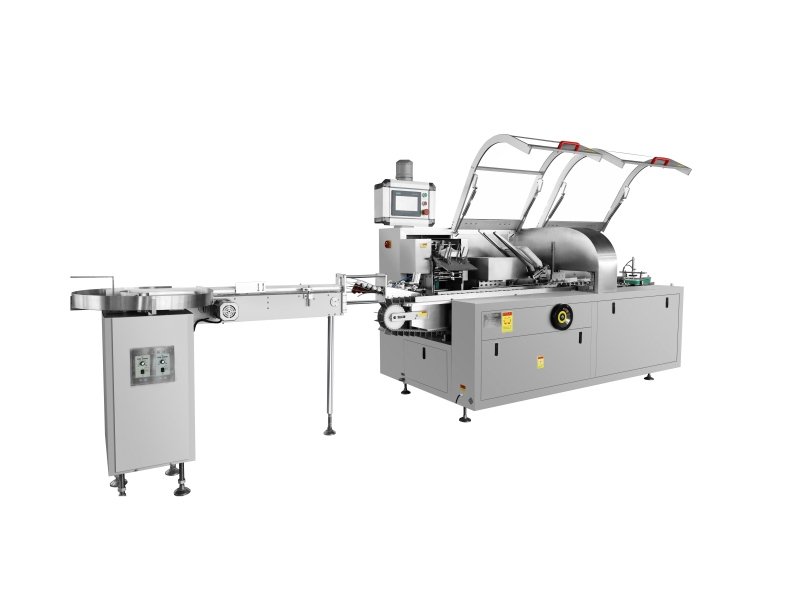
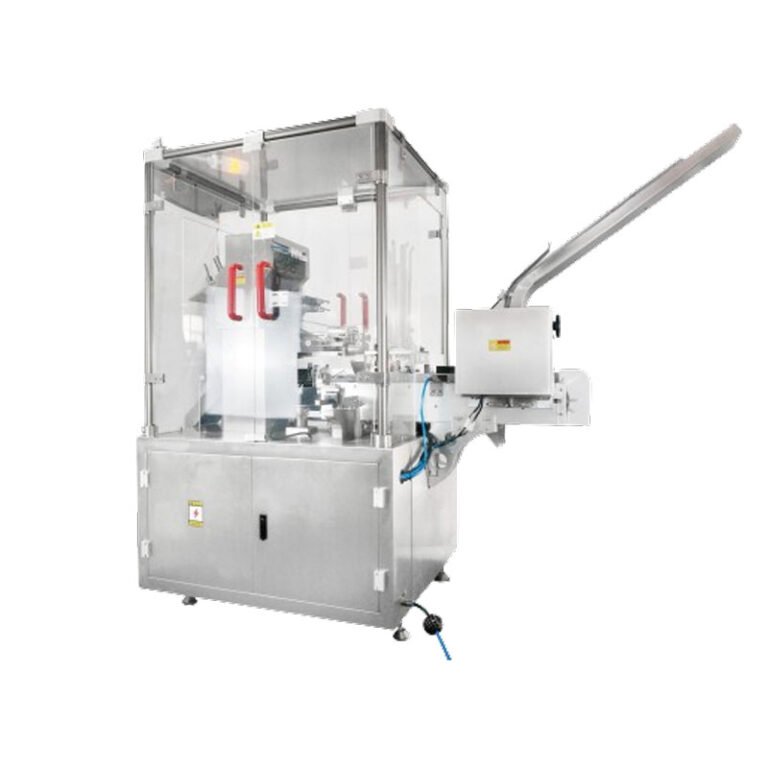
Automated cartoning machines are designed to streamline the end-of-line packaging process by transforming flat carton blanks into folded, filled, and sealed cartons. These cartoning machines are essential for the pharmaceutical, cosmetic, and food industries, enabling flexible handling of a wide range of products, including blister packs, tube packs, vials, and soft pouches, and facilitating high-speed production.
Manufactured to GMP standards, these cartoning systems utilize advanced servo drive technology and PLC control to ensure smooth synchronization between product feeding, instruction manual insertion, and carton sealing. Equipped with intelligent sensors to detect “no product, no carton” situations and integrated with visual inspection for batch verification, they provide a reliable, zero-defect packaging solution. Their modular design allows for quick, tool-free changeovers between different carton sizes, maximizing operational efficiency and ensuring products present a professional, retail-compliant appearance.
Product Display
Benefits
These cartoning machines are designed as versatile end-of-line solutions, easily synchronized with upstream equipment, handling a wide range of primary packaging materials, including blister cards, tubes, vials, and pouches. This versatility makes them an essential asset for factories managing diverse product portfolios.
One of its most significant advantages is the integrated instruction manual folding and insertion function. The machine automatically folds paper instruction manuals and ensures they are precisely inserted into the carton along with the product, avoiding the high labor costs and error rates associated with manual insertion.One of its most significant advantages is the integrated instruction manual folding and insertion function. The machine automatically folds paper instruction manuals and ensures they are precisely inserted into the carton along with the product, avoiding the high labor costs and error rates associated with manual insertion.
To minimize material waste, the system is equipped with advanced optical sensors and employs "No Product, No Carton" and "No Carton, No Instruction Manual" logic. If the feed inlet is empty, the machine skips the carton picking and instruction manual folding steps, significantly reducing operating costs and waste.
This cartoning machine uses high-performance servo motors for ultra-smooth positioning and synchronization. This allows for extremely fast cartoning speeds (typically exceeding 100 cartons per minute) while precisely controlling processes such as folding, inserting, and gluing, ensuring consistently high-quality finished products.
Modern cartoning machines feature a modular, user-friendly design, equipped with digital scales and quick-release handles. Operators can quickly change between different carton sizes in a fraction of the time required by traditional machines, maximizing productivity and flexibility.
These machines are designed as versatile end-of-line solutions, easily synchronized with upstream equipment, handling a wide range of primary packaging materials, including blister cards, tubes, vials, and pouches. This versatility makes them an essential asset for factories managing diverse product portfolios.
One of its most significant advantages is the integrated instruction manual folding and insertion function. The machine automatically folds paper instruction manuals and ensures they are precisely inserted into the carton along with the product, avoiding the high labor costs and error rates associated with manual insertion.
To minimize material waste, the system is equipped with advanced optical sensors and employs "No Product, No Carton" and "No Carton, No Instruction Manual" logic. If the feed inlet is empty, the machine skips the carton picking and instruction manual folding steps, significantly reducing operating costs and waste.
This cartoning machine uses high-performance servo motors for ultra-smooth positioning and synchronization. This allows for extremely fast cartoning speeds (typically exceeding 100 cartons per minute) while precisely controlling processes such as folding, inserting, and gluing, ensuring consistently high-quality finished products.
Modern cartoning machines feature a modular, user-friendly design, equipped with digital scales and quick-release handles. Operators can quickly change between different carton sizes in a fraction of the time required by traditional machines, maximizing productivity and flexibility.
Application
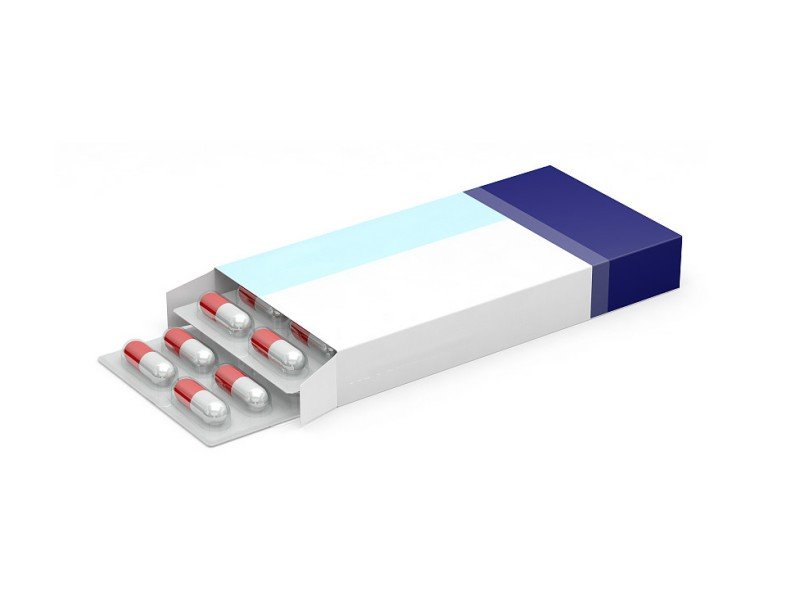
This is the most common application, where one or more blister packs are stacked and placed into a cardboard box.
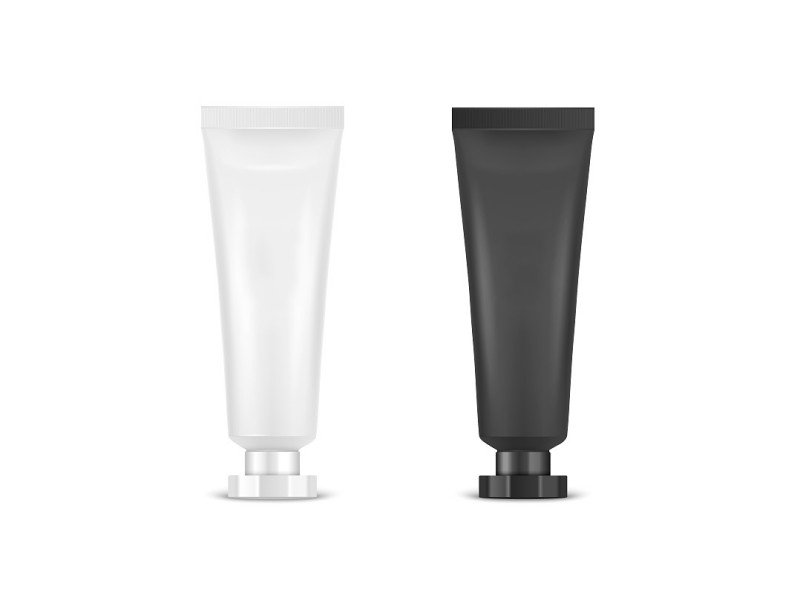
Used for packaging creams, ointments, and gels in aluminum or plastic tubes.
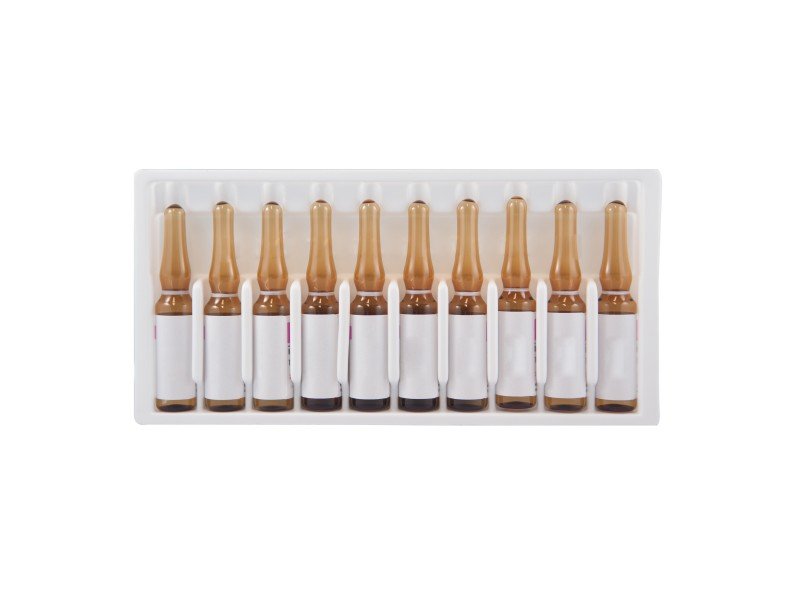
These cartoning machines are designed specifically for the fragility of glass, using special "star wheels" or "bucket-type" feeders to prevent direct glass-to-glass contact.
Ideal for packaging multiple sachets (such as instant coffee, beverage powders, or granular medicines) into a single retail box.
Suitable for cough syrups, oral solutions, and liquid supplements.
FAQ
What is the difference between horizontal and vertical cartoning machines?
Horizontal cartoning machines push the product into the carton from the side, making them ideal for packaging blister packs, tube packs, and stick packs. Vertical cartoning machines place the product into the carton from the top, making them more suitable for packaging bulk, bottled, or canned products.
Can the cartoning machine automatically insert folded instruction manuals?
Yes. Most industrial cartoning machines are equipped with integrated instruction manual folders that automatically fold the manuals and insert them into the carton simultaneously with the product, ensuring compliance with pharmaceutical regulations.
How does the "No Product, No Carton" function work?
This system uses optical sensors to detect the presence of a product. If no product is detected on the feed line, the machine will not pick up the carton or instruction manual, thus avoiding material waste and empty cartons.
Which sealing method is better: interlocking or hot melt adhesive?
This depends on your specific needs. Fold-fit sealing is economical and easy to open/reseal; while hot melt adhesive provides a tamper-proof seal and offers additional structural strength for heavier products or retail security.
How difficult is it to change machines to accommodate different sized cartons?
This cartoning machine features a modular, scale-based design. Operators can complete a full size change in 20-40 minutes by simply adjusting the digital position indicator and replacing a few specific sized parts, without the need for special tools.
Unlock Your Medicine Production Potential. Speak with an Innoval Pharma Expert to Tailor Your Solution.
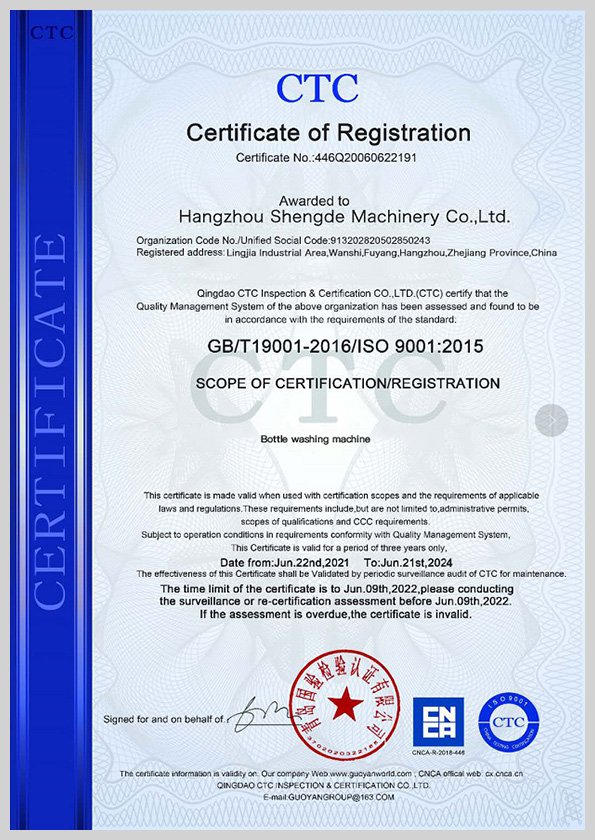
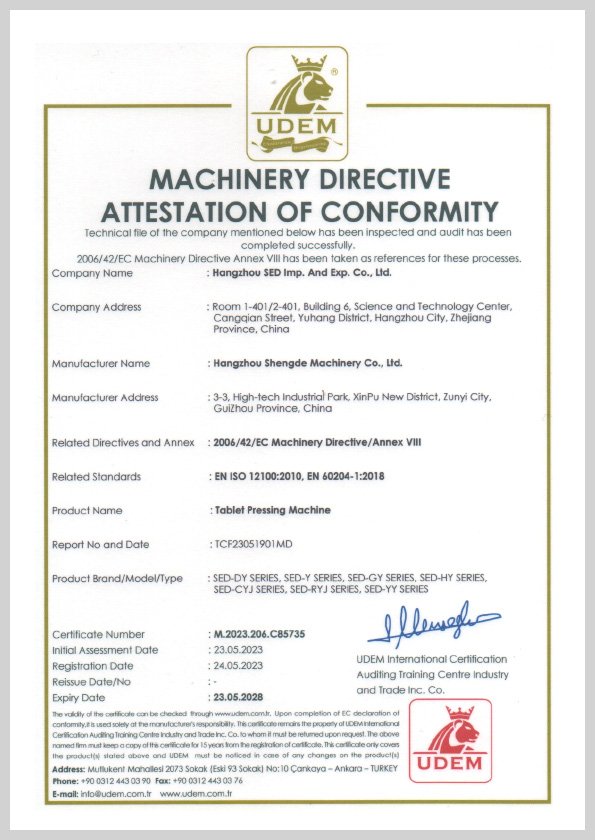
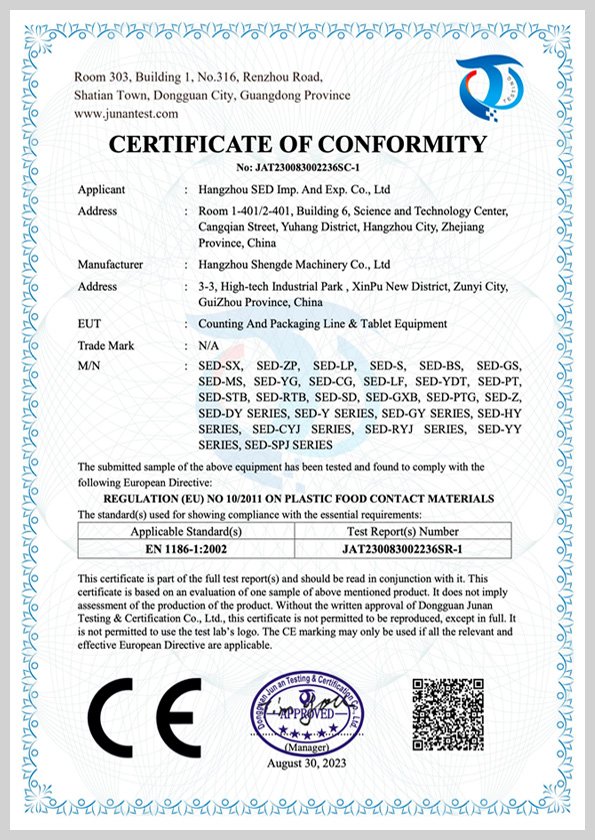
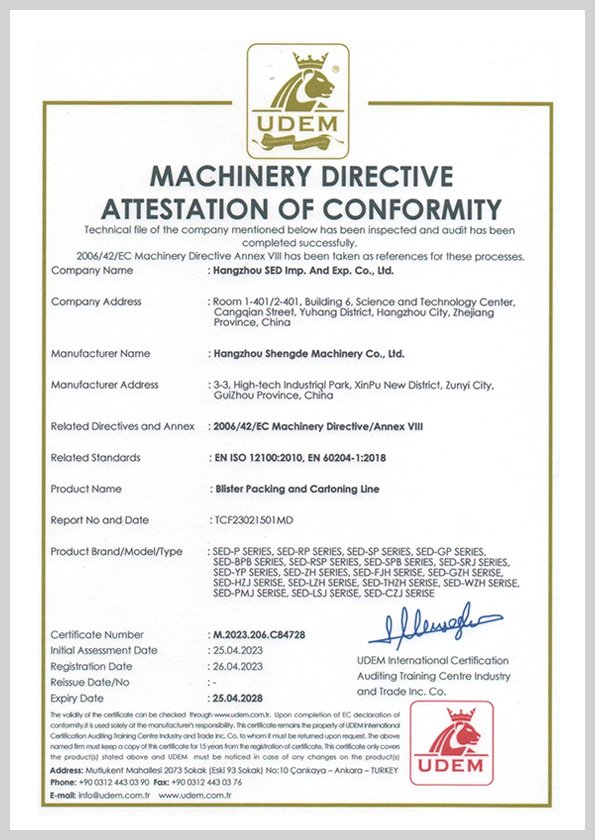
Certificates


Related Products
Contact Info
Call Us
+1(323)215-9729 (North/South America)
sales@innovalpharma.com
+1(213)258-7721
After Service
+1(909)230-8253 (North/South America)